Overview
Baxtel's Pittsburgh region covers Allegheny County and its neighbors, from Beaver County on the Ohio River to Indiana and Cambria counties in the east. It reaches north to Venango County. Downtown and the North Side hold a modest colocation market for local enterprises, universities and carriers. Growth now sits on retired power plants and industrial tracts outside the city. The region forms the western half of the Pennsylvania market.
History
Pittsburgh's colocation grew from its carrier buildings and enterprise data centers. Switch and Data opened space in the city in 2000, and DataBank runs that site today. DataBank opened a second Pittsburgh data center in June 2020. Pittsburgh-based Expedient opened its North Side data center in 2008 and expanded it in 2017.
Iron Mountain built The Underground 220 feet down in a former U.S. Steel limestone mine at Boyers. Ark opened its Northpointe data center in Armstrong County in October 2017. Management Science Associates and local carriers run smaller sites in the suburbs.
The coal plants that powered the region began to close. GenOn shut the Cheswick plant in Springdale in 2022, and the Homer City plant closed in 2023. Bitcoin miners moved onto cheap power in the region, and AI developers followed. Ardent Data Centers opened a retrofitted facility in the western suburbs in 2025.
The Market Today
Downtown, the North Side and the Strip District hold the interconnection core. DataBank, H5 Data Centers, EdgeConneX and Cogent run colocation there. Verizon's tandem office on Seventh Avenue anchors the carrier network. Expedient runs a second site in Green Tree. The Pittsburgh Supercomputing Center runs its Bridges-2 system from a colocation site in Monroeville.
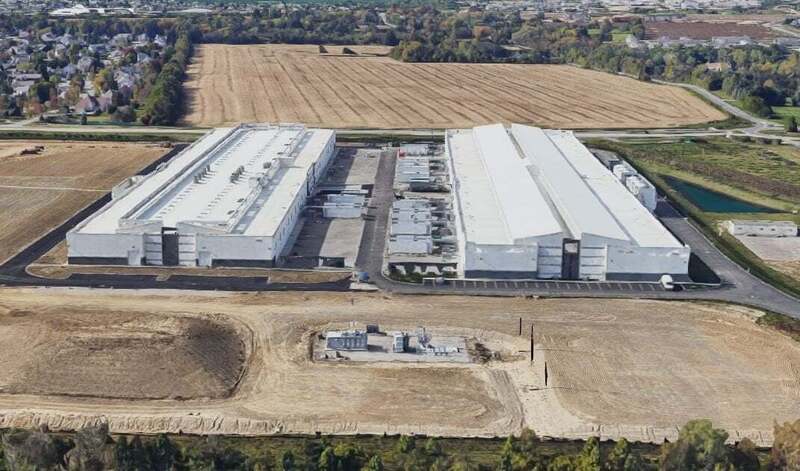
The large builds sit along the rivers. Aligned broke ground at Shippingport in September 2026. Switch owns land at Wampum for a multi-building campus. Dynamo DC won approval in December 2025 to build on the former Cheswick plant site. TECfusions runs and is expanding a campus in New Kensington.
Gas-first projects push farther out. Prime Data Centers plans on-site gas generation at Starpointe in Washington County. A 4.5 GW gas plant is planned at the former Homer City coal plant. In Lawrence County, two townships rejected Stonebridge's campus, and the developer is appealing.
Advantages
-
Gas supply. The region sits on the Marcellus Shale, with pipelines and producers near most large sites.
-
Brownfield power sites. Retired coal plants and mills offer transmission lines, river water and industrial zoning.
-
Research base. Carnegie Mellon University, the University of Pittsburgh and the Pittsburgh Supercomputing Center supply AI talent and demand.
-
Land cost. Large parcels cost less than in eastern Pennsylvania or Northern Virginia.
-
Climate. Cool winters and mild summers cut the hours of mechanical cooling.
Challenges
-
Load queue. Duquesne Light and the FirstEnergy utilities face long studies for large new loads. Transmission upgrades take years.
-
Air permits. The Allegheny County Health Department runs its own air program with its own rules. On-site gas plants face long reviews there and at the state.
-
Zoning appeals. Township boards have rejected or delayed campuses, which pushes them into court.
-
Old mines. Abandoned coal mines lie under much of southwestern Pennsylvania. They add study cost and subsidence risk for large buildings.
-
Thin local demand. The enterprise market is small, so most new capacity depends on hyperscale and AI tenants.
Trends
-
Gas-first campuses. Developers plan on-site gas plants and fuel cells instead of waiting for grid power.
-
Coal-plant reuse. Closed plants such as Cheswick and Homer City become campuses with transmission already in place.
-
Crypto exits. Western Pennsylvania miners, including Keel at Scrubgrass and Sharon, stopped mining in 2026 to chase AI hosting.
-
AI retrofits. Older enterprise buildings get refitted for dense AI racks, as at Ardent's site and a former bank data hall near Freeport.
Power and Policy
PJM Interconnection runs the grid. Duquesne Light serves Pittsburgh and most of Allegheny and Beaver counties. FirstEnergy Pennsylvania serves much of the surrounding area through West Penn Power and Penn Power. The Pennsylvania Public Utility Commission (PUC) regulates both, and its May 2026 large-load order shapes their tariffs for big loads. The Allegheny County Health Department issues air permits inside the county, and the state Department of Environmental Protection (DEP) issues them elsewhere.