plans up to 15 more data center buildings on as much as 890 acres in [Missouri](https://baxtel.com/regions/missouri)'s Montgomery C...](https://cdn.baxtel.com/data-center/amazon-plans-second-missouri-campus-with-up-to-15-data-center-buildings/logo/large_amazon-plans-second-missouri-campus-with-up-to-15-data-center-buildings-featured.jpg)

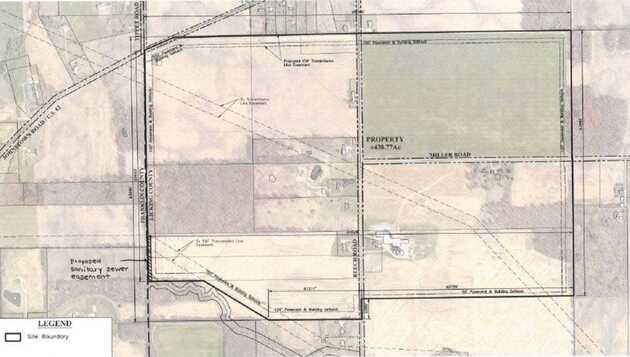
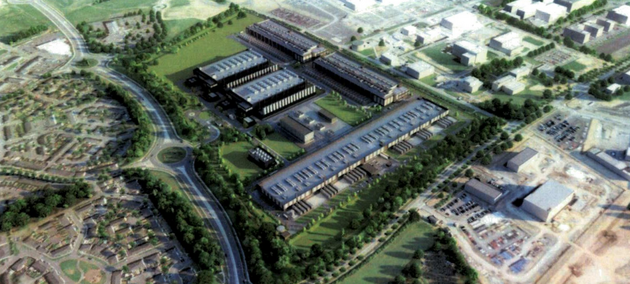
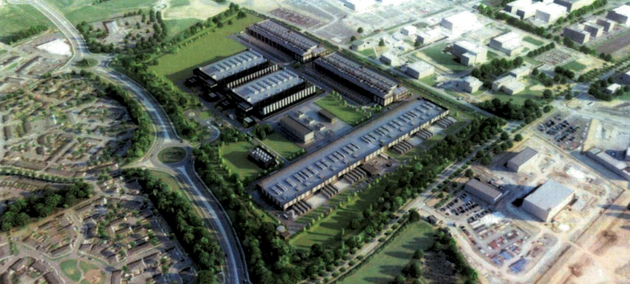
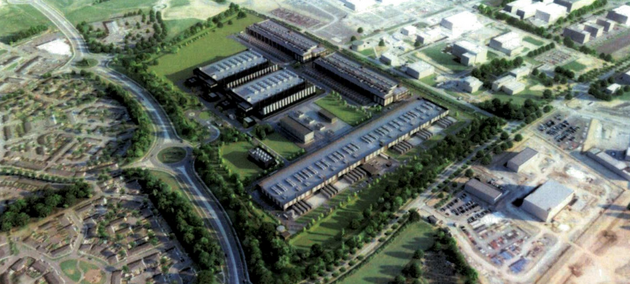
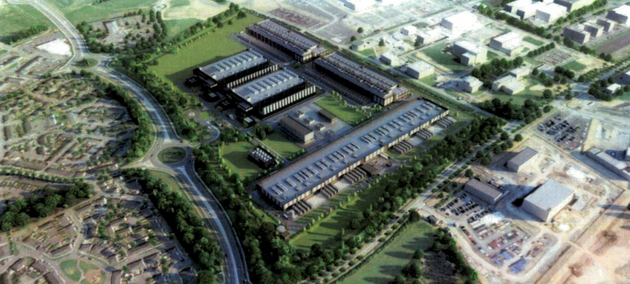
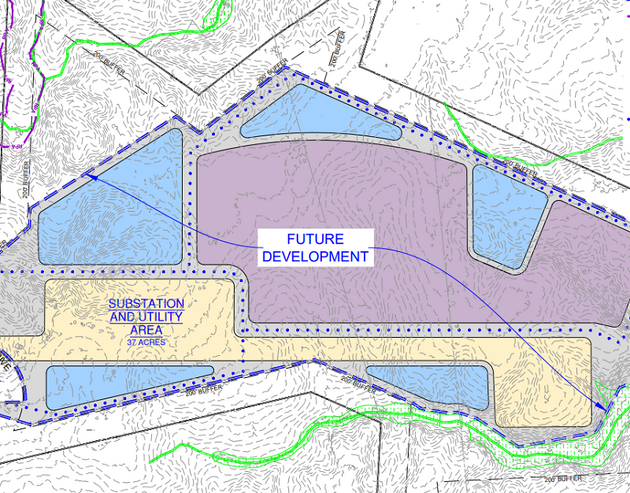
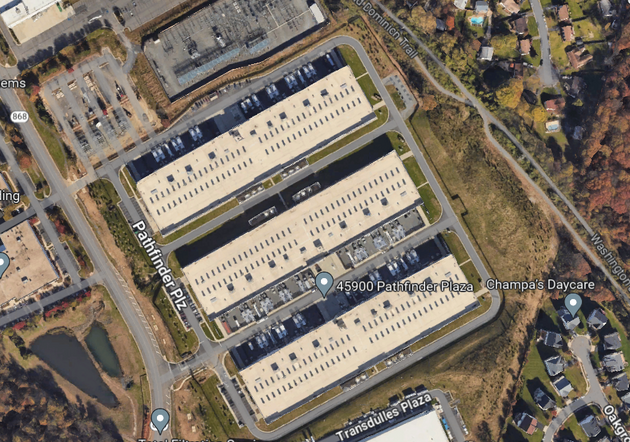
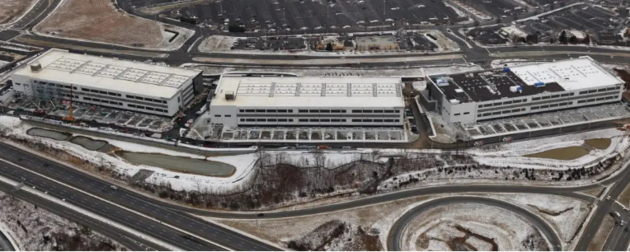
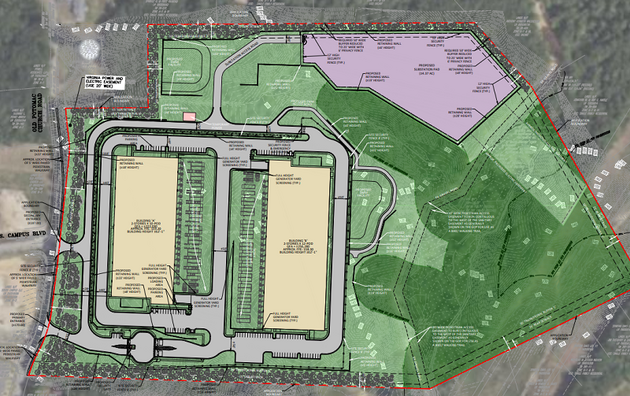
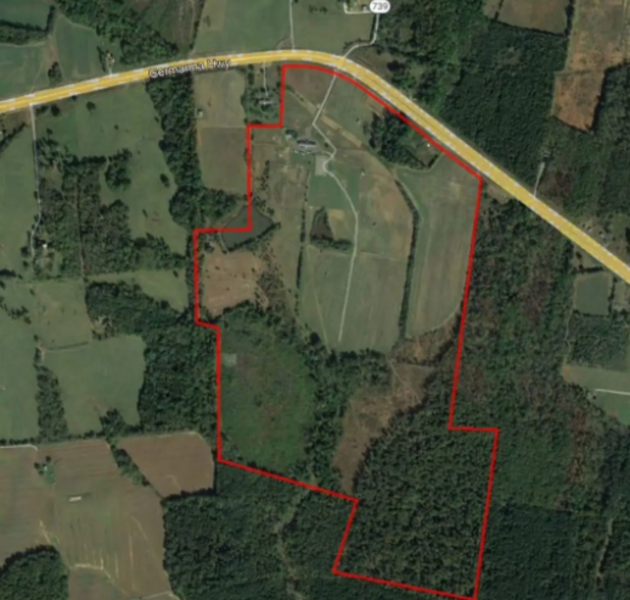
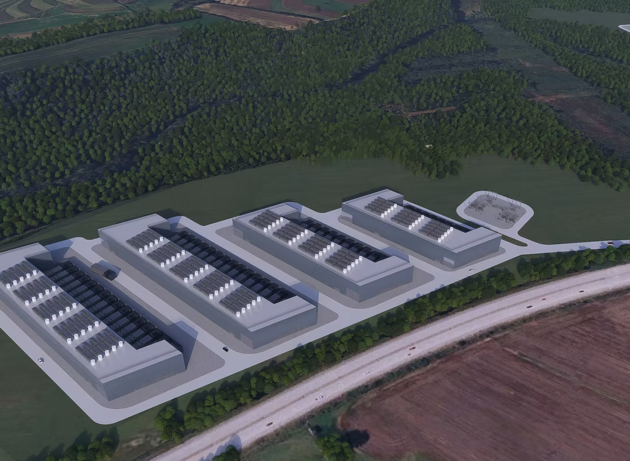
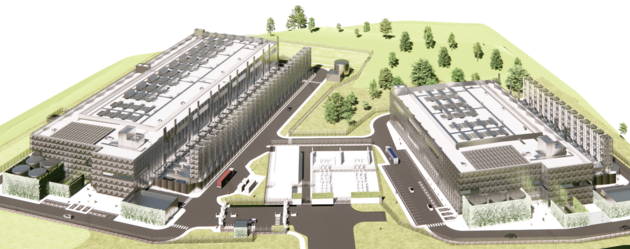
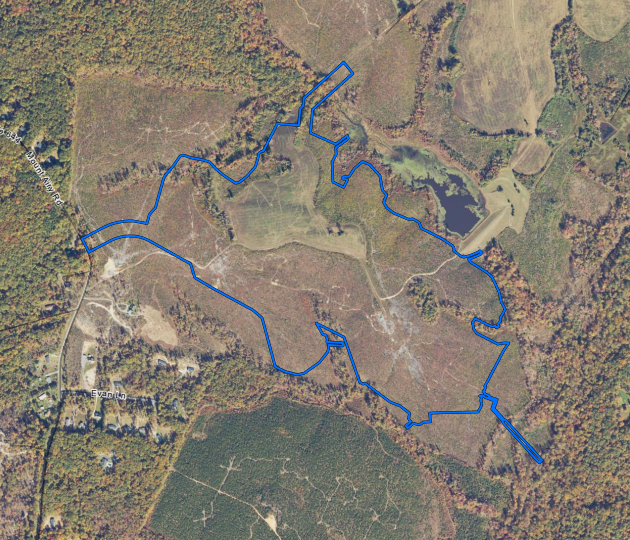
Amazon Web Services plans up to 15 more data center buildings on as much as 890 acres in Missouri's Montgomery County, a second campus that would sit closer to Danville, several miles from the Project Green build already under construction near New Florence. Amazon representative Brian Bolton disclosed the p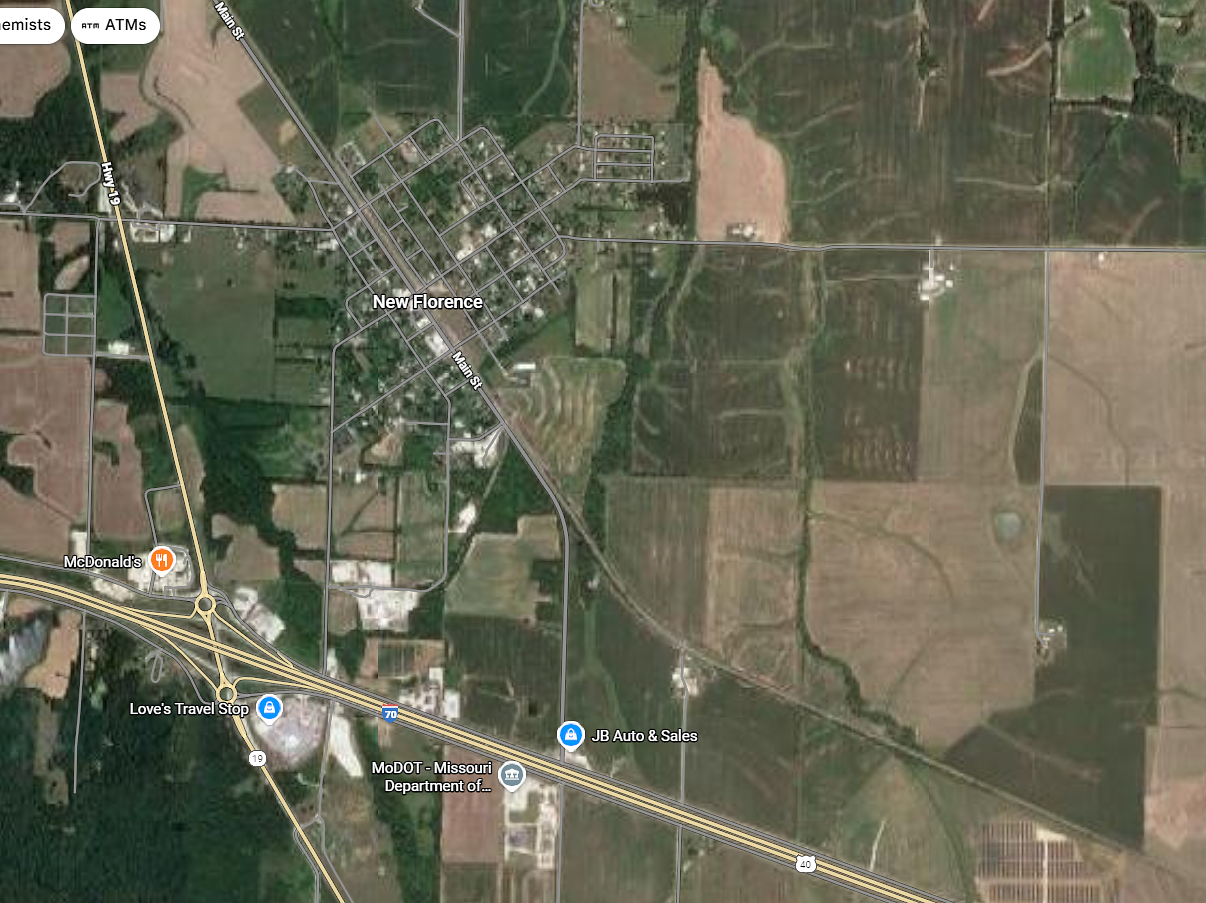 Aerial view showing the data center development corridor in Montgomery County along Interstate 70 in Missouri.lan at the county commission's Oct. 22 meeting, ABC17 reported, and Data Center Dynamics covered the disclosure on Monday.
Up to 15 buildings near Danville
The site is private land Amazon is still buying, and no purchase has closed. Bolton gave no firm construction date, offering a window between 2027 and 2029, and described the meeting as an early notice rather than any formal filing. The buildings would go up closer to Danville, away from the county's current construction around New Florence.
"My purpose here is just kind of out in the open form here, to introduce the potential expansion," Bolton told commissioners. "Really, this is more just the starting point." The disclosure took the county by surprise. "Figured it was coming one day, and I guess here we are," said Ryan Poston, the county's presiding commissioner, who expects more sessions on the plan.
Project Green is still rising
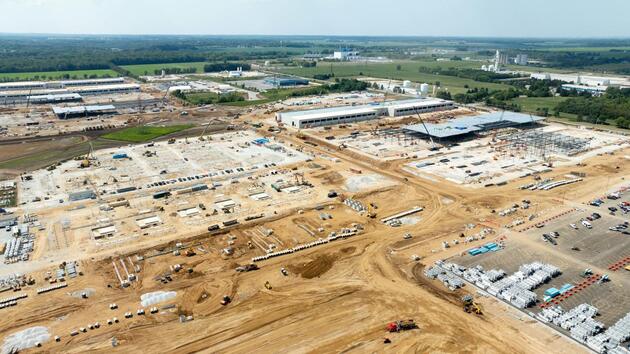
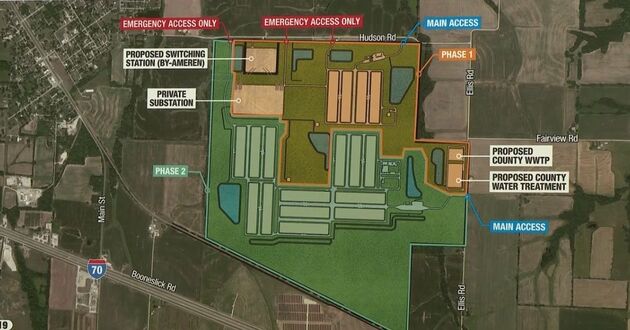
The new acreage is separate from Project Green, Amazon's first Missouri campus at the Interstate 70 and Highway 19 interchange outside New Florence. Amazon announced that campus in June as a $10 billion investment, per the Missouri Times, promising more than 400 full-time jobs and hundreds of millions of dollars in new property tax revenue over 25 years. Baxtel tracks the development as Amazon: Prairie Green Campus, 17 building records on roughly 1,000 acres, with the first four buildings, STL100 among them, under construction.
State air permit filings list 476 standby generators of 2.75 MW each across the campus, roughly 28 per building, a design Baxtel's power records put at about 70 MW of capacity per building. Ameren Missouri supplies the power, and the first facilities are targeted for 2027.
Residents are already pushing back
Project Green itself faces a legal challenge from local residents over transparency, water use, and the rural community's character, and the Oct. 22 session surfaced fresh complaints. Farmers Sharon and Bob Ridgley, whose fields sit behind the current site, said Ameren is asking to run high-voltage lines across their farm. "People call this construction. I call it destruction," Bob Ridgley said.
Another resident, Brenda Buechele, told commissioners she has found no one at Amazon to contact about construction noise and truck traffic.
An open house across the state line
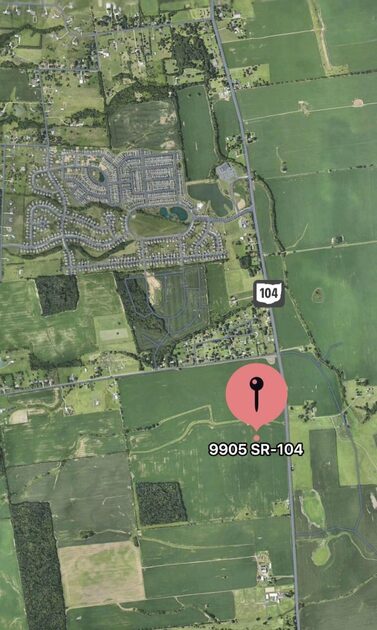
The same day, Amazon staff held an open house at the 4-H Community Center in Posey County, Indiana, about a possible data center there, 14News reported. Company representatives had registered interest at a September plan commission hearing, and Posey County passed a data center ordinance earlier this month. No project has been filed.
The I-70 corridor fills in
Montgomery County is becoming a two-hyperscaler market. Across Interstate 70 from Project Green, Google and partner Related Digital are developing the Project Spade campus: 934 acres and two buildings of about 800,000 square feet each, with an estimated 600 MW planned from 2028 and 600 MW more in prospective expansion, per Baxtel's site record. Missouri has 118 data center facilities run by 42 providers, and Google is the largest operator by site count.
Amazon has pledged more than servers. Its county commitments include $3 million for emergency dispatch, a water system to be donated to Public Water Supply District No. 1, and a 138 MW carbon-free energy project in the state. The company says its Ameren rates are set so other customers do not fund its load, according to Amazon's announcement.
Why it matters
Amazon is asking a rural county to absorb a second campus before the first has delivered a single building, days after it walked away from an 800,000 sq ft campus in Loudoun County under community pressure. The contrast is the story: in the country's most mature market, community consent now works as a veto, while in Missouri Amazon judges it a manageable cost of speed. Hyperscale geography is being sorted by that calculus county by county.
The Ridgleys' transmission fight and Buechele's unanswered emails show what gating looks like in second-wave markets: not megawatts or land, both already lined up here, but social license along one interstate. The county's next session on the Danville plan has not been scheduled, and Amazon has until at least 2027 before it needs to break ground.