Overview
Milwaukee is Wisconsin's largest data center market and anchors the state's southeast corner. For two decades it was a small market of carrier hotels, telecom buildings and corporate data centers. Since 2023 it has become a hyperscale AI corridor. The corridor runs south along Interstate 94 toward Chicago and north to Port Washington. Growth now depends on how fast the grid can deliver power.
History
Milwaukee's first data centers grew out of its banks, insurers and telephone company. A large data center in Pewaukee opened in 1985 and served AT&T for decades. Metavante, the bank technology arm of Marshall & Ilsley, ran a data center in Brown Deer by 2000. Downtown, carriers and small colocation firms filled the 15-story Wells Building, the city's main carrier hotel. OFFSITE opened in Kenosha in 2001, and Data Holdings opened its West Highland Boulevard facility in 2013.
The 2010s and early 2020s brought new owners. TierPoint bought Cosentry in 2016, and with it a south-side Milwaukee facility. 1547 Critical Systems Realty bought the Wells Building in 2020. Expedient opened in a former Harley-Davidson data center in Franklin in 2021, and StratCap bought the building a year later.
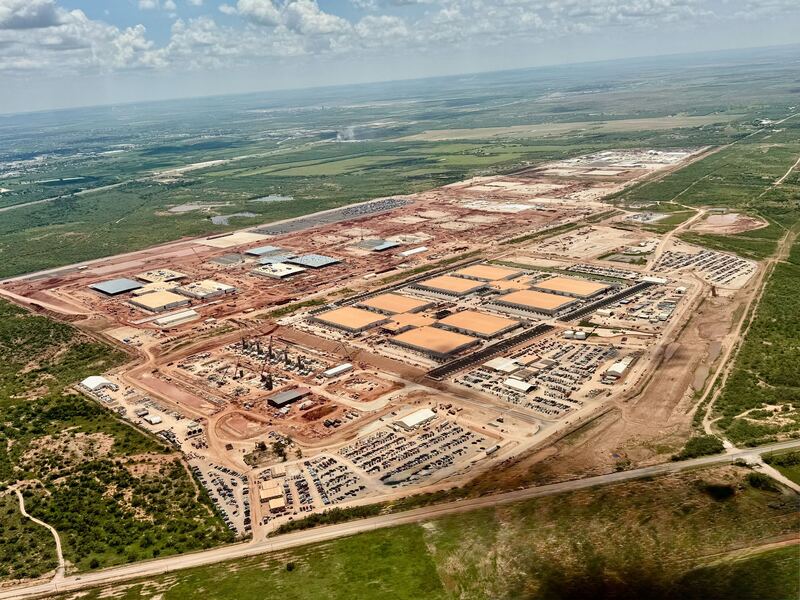
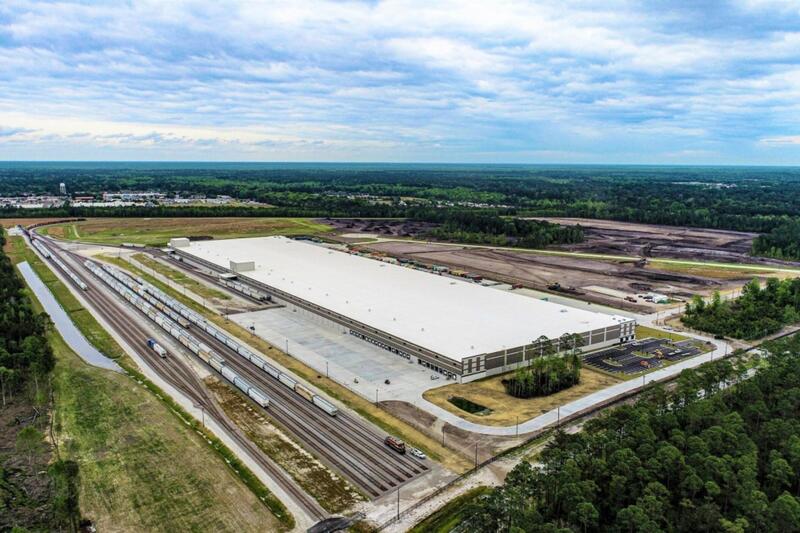
Hyperscale demand arrived on land first assembled for Foxconn. In 2017 Foxconn announced a large manufacturing campus in Mount Pleasant, and the village built roads and power for it. Foxconn later scaled the project back, and the state rewrote its contract in 2021. Microsoft bought 315 acres of that land in 2023 and completed its first Fairwater data center there in June 2026. In 2025 Vantage Data Centers bought land in Port Washington assembled by Cloverleaf Infrastructure. That October, OpenAI and Oracle named it a Stargate site. Microsoft dropped a proposed campus in Caledonia the same month after residents objected.
The Market Today
Retail colocation is modest and spread across the metro. Data Holdings, owned by the Forest County Potawatomi Community, hosts the MKE-IX internet exchange, which moved there in 2025. The Wells Building remains the main downtown meeting point for carriers. TierPoint, Expedient, CyberLynk, Ethoplex and Aventus run smaller facilities in Milwaukee, Franklin and Germantown. OFFSITE serves the Kenosha end of the corridor.
Large employers still run their own data centers. Fiserv operates one in Brookfield, FIS in Brown Deer, Johnson Controls in Glendale and Northwestern Mutual in Franklin. Several are shrinking that footprint. Fiserv put its Brookfield campus up for sale in 2024, and Northwestern Mutual plans to move its Franklin workloads to the cloud. AT&T's main telephone exchanges downtown, in Wauwatosa and in Brookfield remain the core of the local network.
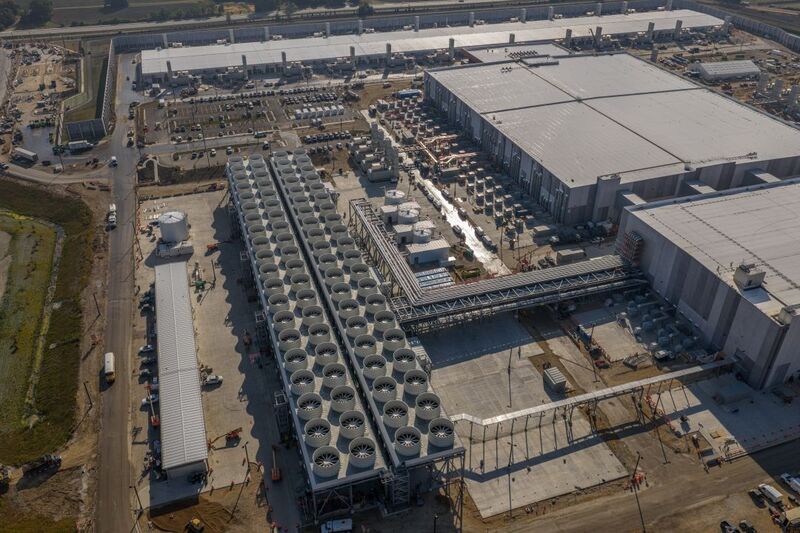
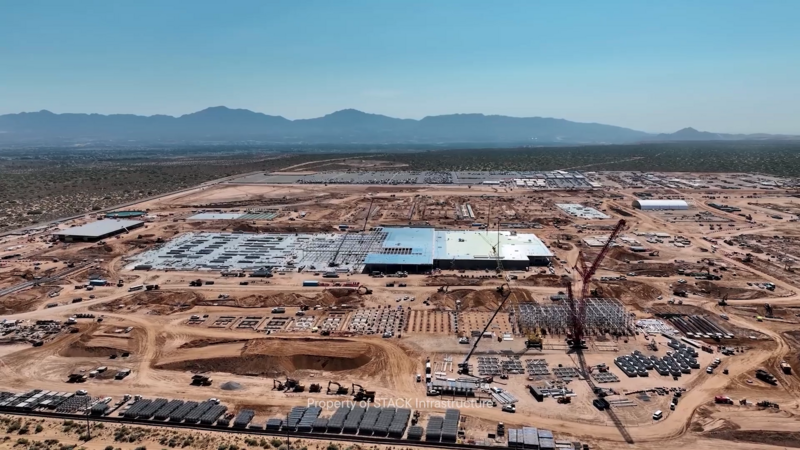
Hyperscale growth sits outside the city. Microsoft runs its Fairwater campus in Mount Pleasant and holds more land in Mount Pleasant, Sturtevant and Kenosha. Vantage is building the four-building Lighthouse campus in Port Washington for OpenAI and Oracle, with completion set for 2028.
Advantages
-
Power built for large loads. We Energies' Very Large Customer tariff, approved in 2026, gives loads of 100 MW or more a defined path to dedicated supply.
-
Land along Interstate 94. Large, flat parcels south of Milwaukee sit about 90 minutes from Chicago, with long-haul fiber along the corridor.
-
Tax incentives. Since 2023 Wisconsin has exempted qualified data centers from sales tax on equipment and building materials. A 2025 law lets towns create larger tax increment districts for them.
-
Cool climate and water. Long winters support free cooling, and Lake Michigan supplies municipal water to lakeshore sites.
-
Enterprise demand. Financial services, insurance and manufacturing firms anchor steady demand for colocation and network services.
Challenges
-
Transmission lead times. New hyperscale campuses need new 345 kV lines and substations. In October 2026 state regulators found the refiled application for the Port Washington line incomplete.
-
Local moratoria. The City of Milwaukee adopted a one-year moratorium on new and expanded data centers in October 2026. Sheboygan and Dodge County adopted pauses earlier that year.
-
Community opposition. Residents pushed Microsoft out of Caledonia in 2025. In 2026 neighbors stopped a data center planned for a former Walmart in Milwaukee's Midtown area.
-
Ratepayer scrutiny. Consumer groups watch whether data center load raises household bills. The new tariff makes very large customers pay for the resources built for them.
-
Aging retail inventory. Much of the downtown colocation sits in older buildings. Several small sites have closed or moved since 2022.
Trends
-
AI campuses along the corridor. We Energies forecasts about 4.9 GW of new demand from 2026 to 2031, driven mainly by data centers.
-
New generation. We Energies is building about 1,100 MW of gas turbines at Oak Creek for 2028. It is also adding wind, solar and storage to serve new load.
-
Enterprise exit to the cloud. Corporate owners are selling or leaving older data centers, and some return to market for lease.
-
Telecom consolidation. Carrier mergers and sale-leasebacks are reshaping the region's older network buildings.
Power and Policy
We Energies, part of WEC Energy Group, serves almost all of southeast Wisconsin. American Transmission Company (ATC) builds the high-voltage grid, and the Midcontinent Independent System Operator (MISO) runs the wholesale market. The Public Service Commission of Wisconsin (PSC) approves tariffs, power plants and transmission lines. Its April 2026 decision on the Very Large Customer tariff set a 100 MW threshold and 15-year terms. Bills for a statewide moratorium and new ratepayer rules died in the legislature in March 2026.