Overview
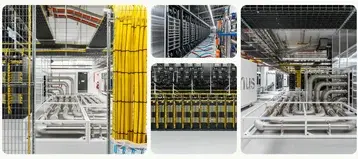
The El Paso region covers El Paso and Hudspeth counties at the far western tip of Texas, part of West Texas. It faces Ciudad Juárez across the Rio Grande and borders southern New Mexico. For decades it served as a telecom crossroads for traffic between the United States and Mexico. Since 2023 it has also drawn some of the largest AI data center projects in the Southwest.
History
El Paso's telephone exchanges began under Mountain Bell. Southwestern Bell took them over in 1982, and AT&T still runs the downtown El Paso Main exchange, built in 1950. Williams Communications bought a downtown warehouse in 1999 for its long-haul fiber network. That building now serves as Lumen's El Paso hub.
Transtelco, founded in El Paso in 2001, built fiber crossings between the United States and Mexico. It rebranded as Flō Networks in 2022 and still runs its hub across the street from Lumen. El Paso Corporation built a hardened data center inside Stanton Tower downtown. El Paso Electric bought the tower as its headquarters in 2008, and Huntleigh Technology Group now sells colocation in the space.
MDC Data Centers turned a former cellular switching center in east El Paso into a carrier colocation site in 2018. It launched the MEX-IX El Paso internet exchange there in 2023. Hyperscale demand arrived the same year. In late 2023 the City of El Paso agreed to sell about 1,000 acres in the northeast to a Meta affiliate. Meta broke ground in October 2025.
The Market Today
Meta's El Paso campus anchors the market. Meta plans ten data center buildings and a network building, and the first three had roofs on by late 2026. El Paso Electric serves the first phase from its existing system. A planned 366 MW gas plant beside the campus will power the second phase until new 345 kV lines are built. In July 2026 Meta formed a joint venture with funds managed by BlackRock to own the campus.
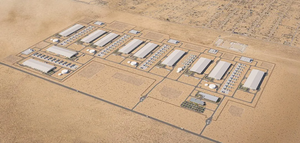
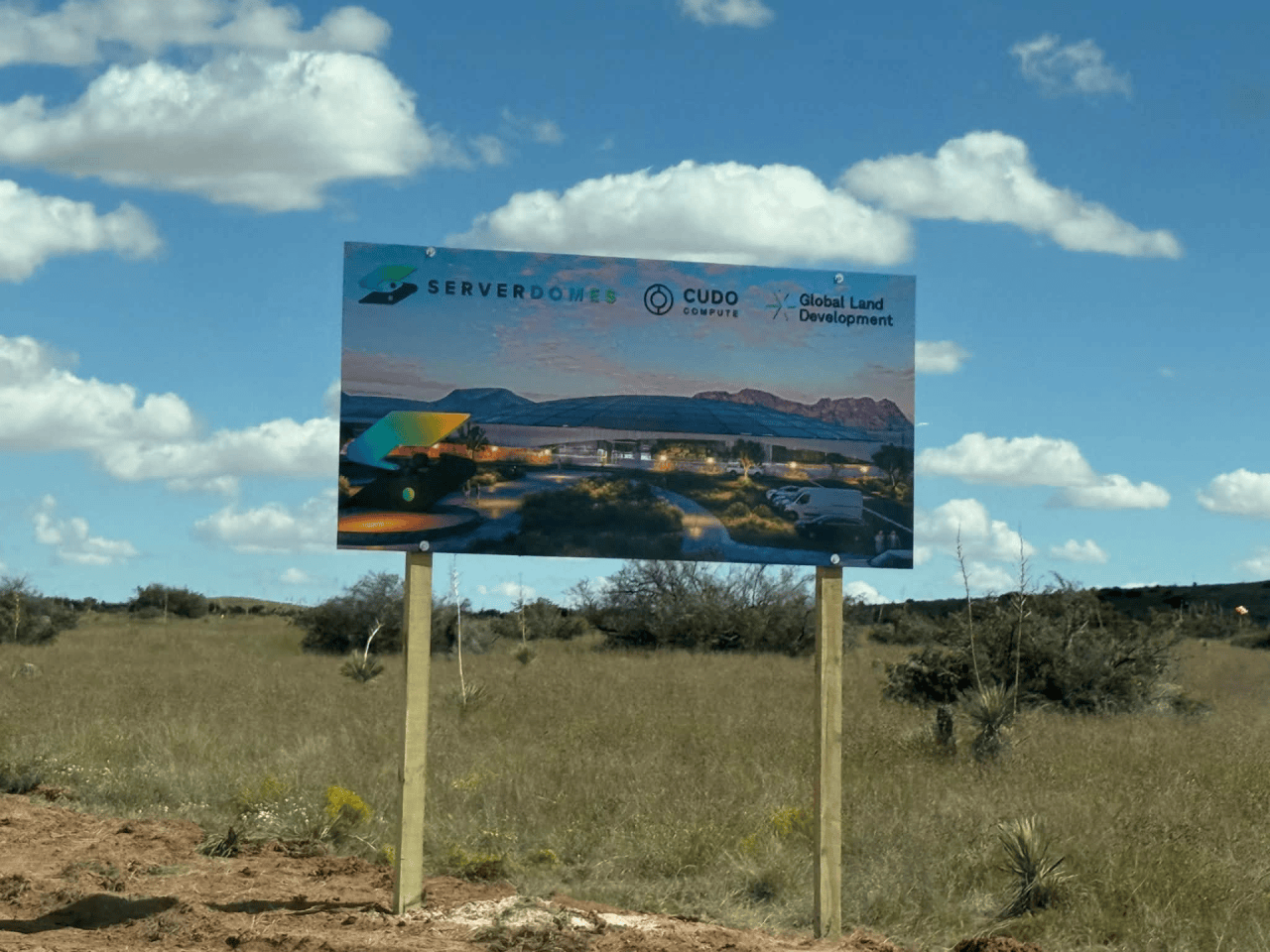
Two more large campuses are in early stages. In March 2026 the Army chose Carlyle to negotiate a 50-year lease of about 1,384 acres at Fort Bliss for an AI campus. In Hudspeth County, ServerDomes Global began site work in October 2026 on a campus of geodesic domes powered by on-site natural gas.
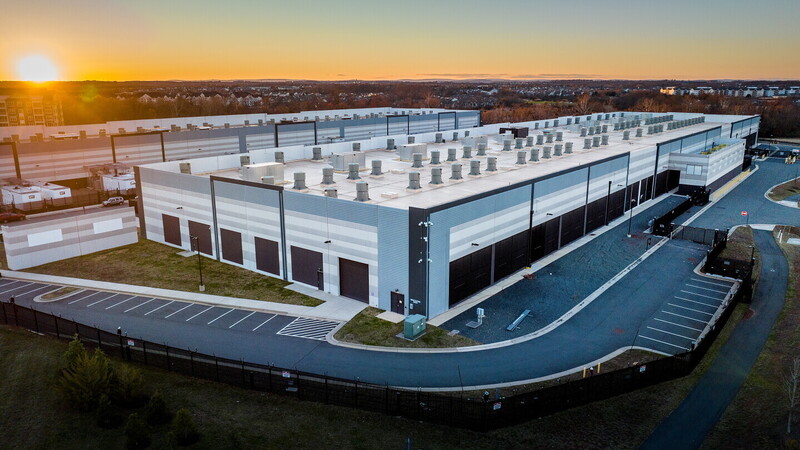
The colocation market stays small and carrier-led. Flō Networks and Lumen face each other on West Overland Avenue downtown, and Cogent runs a former Sprint site north of downtown. MDC hosts most of the region's peering, and Meta joined its exchange in 2026. Connect Data Centers finished a new building in far east El Paso in early 2026 and is fitting out four more data halls.
Advantages
-
Cross-border network. El Paso is a main crossing point for fiber between the United States and Mexico. Carriers from both countries meet at its exchanges and at MEX-IX El Paso.
-
Land. Large sites are available from the city, the Army and ranch owners. Recent projects have assembled 1,000 acres or more each.
-
Gas supply. Interstate pipelines carry Permian Basin gas through the region. Developers plan on-site gas plants to bridge or replace grid supply.
-
Low hazard risk. The desert climate brings no hurricanes and few severe storms. Dry air supports free-air cooling outside the summer heat.
-
Industrial base. The border region has a large bilingual manufacturing workforce. Wiwynn opened a server and rack factory in Socorro in 2026.
-
State tax exemption. Texas exempts qualifying large data centers from sales and use tax on equipment and software.
Challenges
-
Water. The region sits in the Chihuahuan Desert and draws on two aquifers and the Rio Grande. El Paso Water caps data center use, and residents question new campuses.
-
Power supply. El Paso Electric runs a mid-sized system of about 2,000 MW. Each large campus needs new generation and 345 kV transmission, which take years to build.
-
Ratepayer protection. The City of El Paso has pressed the Public Utility Commission of Texas (PUCT) to keep data center costs off household bills. El Paso Electric's large-load tariff is a contested case.
-
Local policy. In 2026 the city stopped offering incentives to hyperscale data centers. It also adopted siting rules with buffers and water and energy disclosure.
-
Heat. Summer highs often pass 100°F, which raises cooling loads in the hottest months.
Trends
-
Bring your own power. New campuses pair grid service with on-site gas or skip the grid entirely. The gas bridge at Meta's campus set the pattern.
-
Federal land for AI. The Fort Bliss lease is part of an Army program to host commercial AI campuses on military land.
-
A deep pipeline. El Paso Electric reports more than 10 GW of large-load inquiries. Its study list includes requests at Fort Bliss, Horizon City and Fabens. Only Meta has a signed agreement.
-
A border AI corridor. Across the state line, OpenAI's Project Jupiter campus is rising in Doña Ana County, New Mexico. Server makers are also building factories nearby.
Power and Policy
El Paso Electric (EPE) serves El Paso County and southern New Mexico, and the Infrastructure Investments Fund has owned it since 2020. Its system sits in the Western Interconnection, outside the Electric Reliability Council of Texas (ERCOT) grid. EPE joined the Western Energy Imbalance Market in April 2023 and plans to join the Southwest Power Pool's Markets+. The PUCT regulates its Texas service, and Senate Bill 6 (2025) sets large-load rules for ERCOT only. In April 2026 EPE proposed a tariff for loads of 75 MW or more, with 20-year terms and security deposits. Rio Grande Electric Cooperative serves rural Hudspeth County.