Overview
Pennsylvania has two long-standing colocation markets and a fast-growing belt of hyperscale and AI campuses between them. Philadelphia anchors the east on the Northeast fiber corridor. Pittsburgh anchors the west on Marcellus Shale gas and river sites. Since 2024, developers have filed plans for gigawatt campuses in the northeast, the Lehigh Valley, the Susquehanna Valley and south-central Pennsylvania. Power, not demand, decides which of them get built.
History
Pennsylvania's data-center story starts in its telecom buildings. Philadelphia's carrier hotel at 401 North Broad Street went up between 1929 and 1931 as a railroad freight terminal. SunGard leased disaster-recovery space there in 1984, and carriers followed. Switch and Data ran colocation in both Philadelphia and Pittsburgh by 2000. Equinix bought Switch and Data in 2010.
The 2010s added suburban and rural sites. TierPoint grew its largest Pennsylvania campus at TekPark, a 1987 Bell Labs complex in the Lehigh Valley. Iron Mountain runs a data center 220 feet underground in a former limestone mine at Boyers. Keystone NAP stacked modular halls on the former U.S. Steel Fairless Works in Bucks County and closed at the end of 2021.
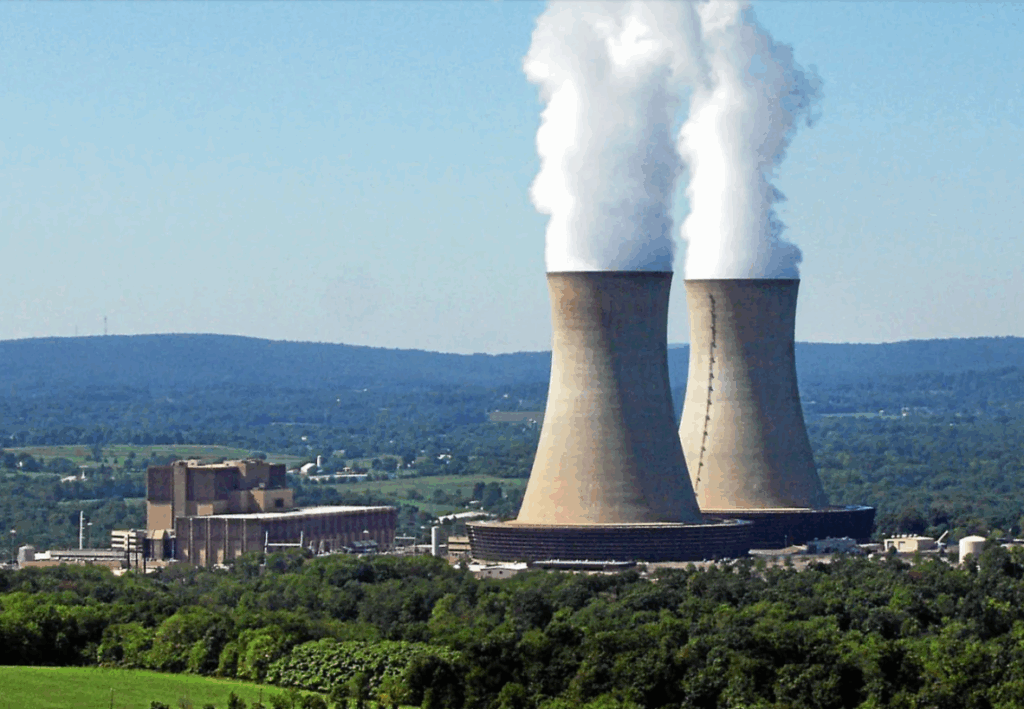
Bitcoin mining arrived next on waste-coal and nuclear power. Stronghold Digital mined at its Scrubgrass and Panther Creek plants. Bitfarms, now Keel Infrastructure, bought Stronghold in March 2025 and ended mining in June 2026. Talen Energy opened its first data center beside the Susquehanna nuclear plant in early 2023. In March 2024 Talen sold that campus to Amazon Web Services (AWS) for $650 million. Amazon pledged $20 billion for Pennsylvania data centers in June 2025. A month later, an energy summit in Pittsburgh drew about $90 billion of pledges.
The Market Today
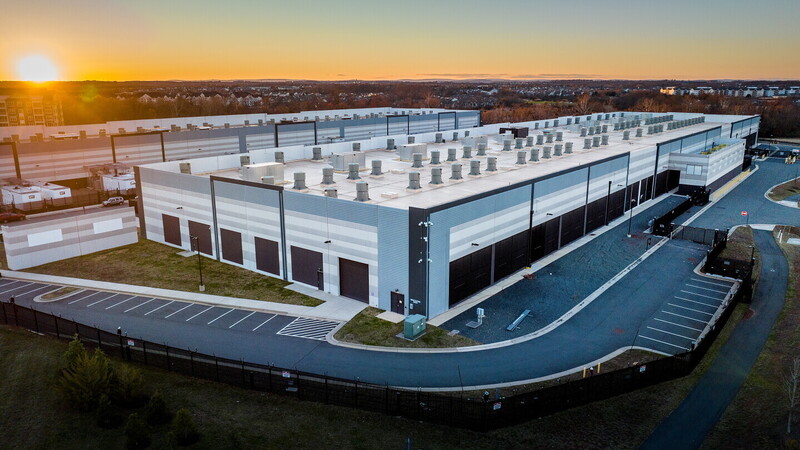
The Philadelphia region holds the state's densest colocation. Center City carrier hotels serve enterprises, carriers and cloud on-ramps. Hyperscale growth sits in the suburbs, the Lehigh Valley and Lancaster County. Amazon is building in Falls Township in Bucks County, and CoreWeave is building in Lancaster.
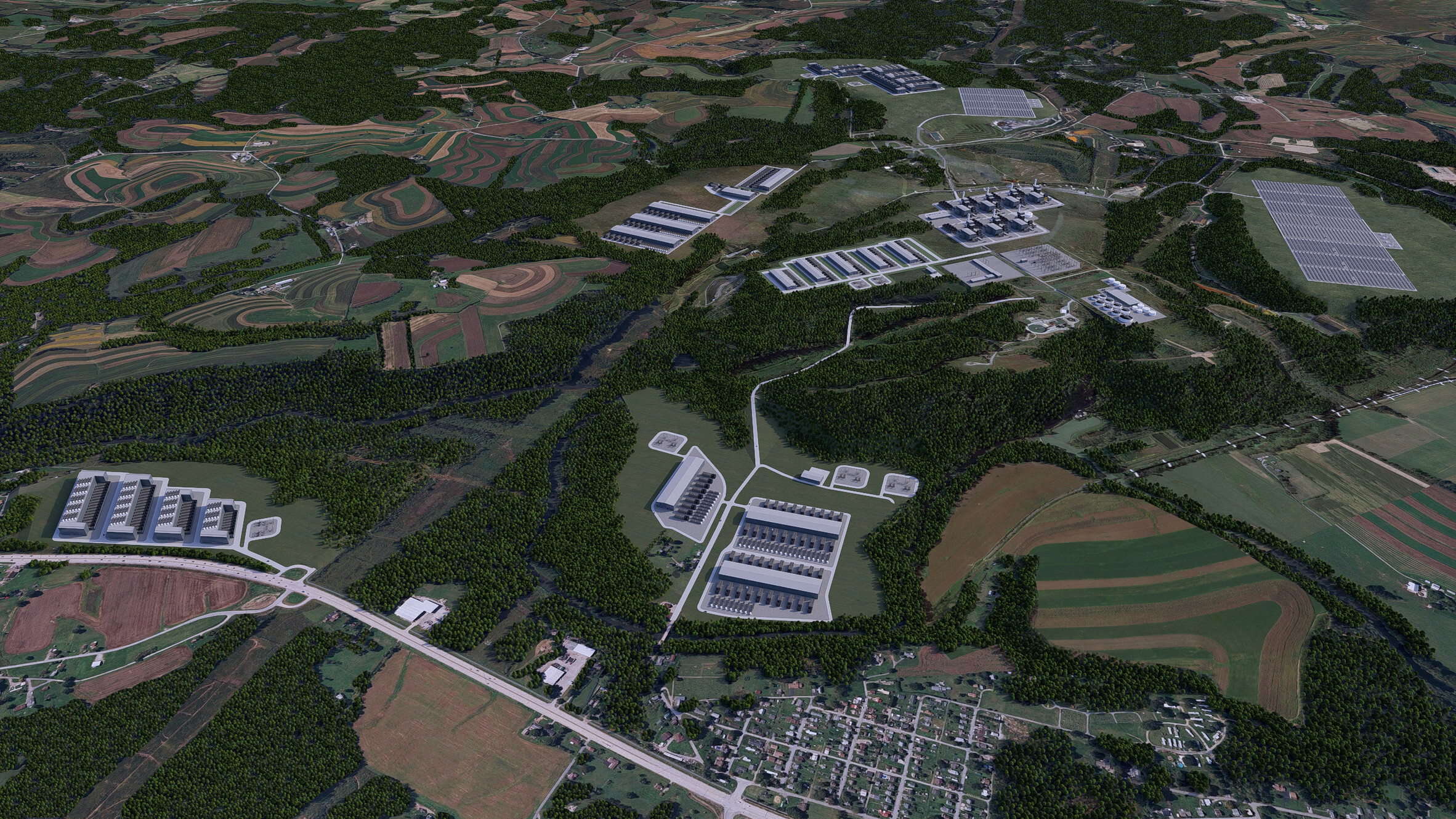
The Pittsburgh region pairs a small downtown colocation market with large power-led builds on old industrial land. Aligned is building at Shippingport, and Switch owns land for a campus at Wampum. A planned gas-fired redevelopment of the former Homer City coal plant sits at the region's eastern edge.
Northeast Pennsylvania has become the busiest filing ground. Lackawanna County alone holds more than a dozen proposals, including Corscale's Project Gravity at Archbald. Nebius has started its first phase at Highridge in Schuylkill County. In south-central Pennsylvania, PowerHouse Data Centers is building near Carlisle. Corscale also plans two campuses near Harrisburg.
Advantages
-
Power supply. Four operating nuclear plants and Marcellus Shale gas make Pennsylvania the largest net exporter of electricity among the states.
-
Brownfield land. Retired coal plants, steel mills and industrial parks offer transmission, water and industrial zoning.
-
Location. The state sits between the New York, Washington and Midwest markets, with long-haul fiber along its highways and rail lines.
-
Tax treatment. Since 2022, qualifying data-center equipment has been exempt from state sales and use tax.
-
Climate. Cool winters and mild summers cut the hours of mechanical cooling.
Challenges
-
Grid access. PPL Electric Utilities reported 31.8 GW of advanced-stage data-center requests in August 2026. That total far exceeds what its system can serve soon.
-
Large-load tariff. The Pennsylvania Public Utility Commission (PUC) issued a model tariff in May 2026 for loads above 50 MW. It guides utilities to require collateral, minimum bills and upfront payment for grid upgrades.
-
Local approvals. Townships have denied or stalled several large campuses, and appeals now run through the courts. State lawmakers floated a statewide moratorium in March 2026.
-
Permits before construction. The state requires every permit before groundwork. A major-source air permit for on-site gas generation takes well over a year.
-
Air quality. The Philadelphia area is an ozone non-attainment zone. That status tightens limits on generators and on-site power plants.
Trends
-
Gigawatt land plays. Developers file for far more power than utilities can deliver, and many sites change hands before groundbreaking.
-
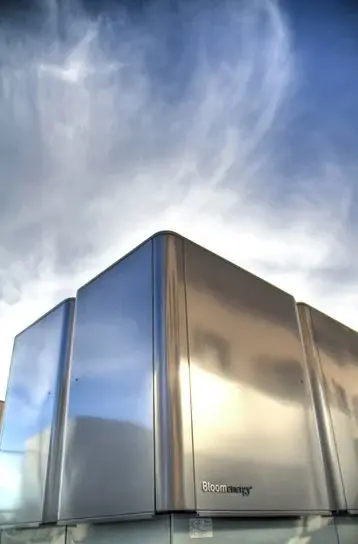
Bring your own power. A 4.5 GW gas plant is planned for the Homer City campus, and other western sites plan fuel cells or on-site gas.
-
Crypto to AI. Miners have switched off rigs to chase AI tenants. Talen's mine beside Susquehanna closed in 2025, and Keel stopped mining in 2026.
-
Nuclear deals. Data-center buyers now sign long-term contracts with nuclear plants. The Susquehanna sale set the pattern for the state.
Power and Policy
PJM Interconnection runs the grid across the whole state. The PUC regulates the investor-owned utilities: PECO around Philadelphia, PPL in the east and center, and Duquesne Light in Pittsburgh. FirstEnergy Pennsylvania serves much of the rest of the state. Rural electric co-ops and dozens of municipal boroughs serve smaller areas outside PUC rate rules. The PUC's May 2026 large-load order guides each utility's own tariff filings. The Department of Environmental Protection (DEP) issues most air permits, but the Allegheny County Health Department runs its own air program.