Overview
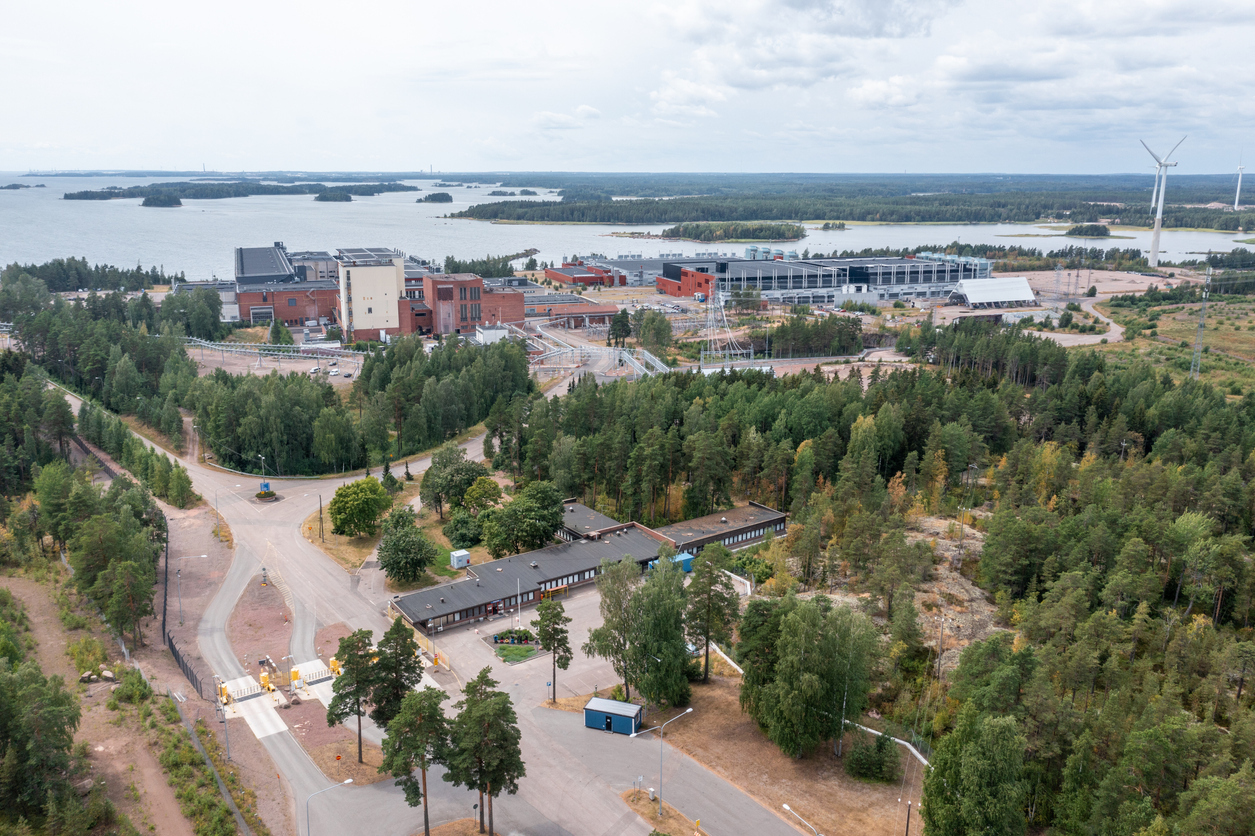
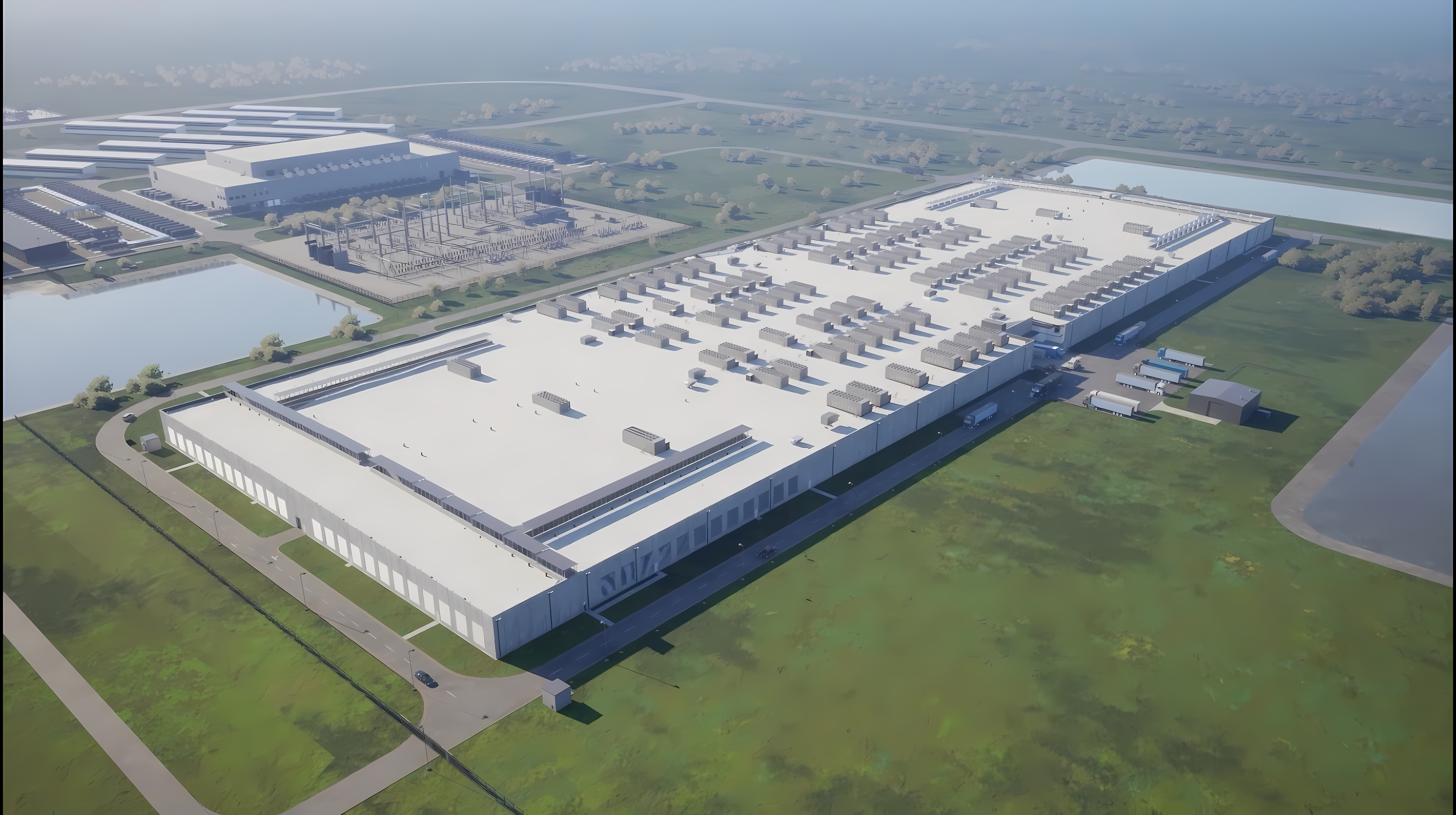
Finland has grown from a small enterprise market into a destination for hyperscale and AI data centers. Colocation and interconnection concentrate around Helsinki and the Uusimaa region. Large campuses now rise on former paper mill sites, municipal industrial parks and grid nodes across the country, from Kymenlaakso in the southeast to Oulu and Kajaani in the north. Developers come for clean power, free cooling and heat buyers. Grid capacity and permits decide how fast they build.
History
The hyperscale market began in Hamina. Google bought the Summa paper mill from Stora Enso in 2009 and opened Google Hamina in 2011, cooled with seawater from the Gulf of Finland. Google has expanded the campus in phases ever since. In Helsinki, Academica opened colocation sites around 2010. TelecityGroup bought Academica in 2012, and Equinix acquired Telecity in 2016. Yandex completed a campus in Mäntsälä in 2015, and the C-Lion1 subsea cable linked Finland directly to Germany the following year.
Telia opened its large shared Helsinki Data Center in 2018. In June 2022 the LUMI supercomputer, then the fastest in Europe, went live in a former paper mill in Kajaani. Microsoft announced a Finnish cloud region the same year, with server heat sold to Fortum's district heating network.
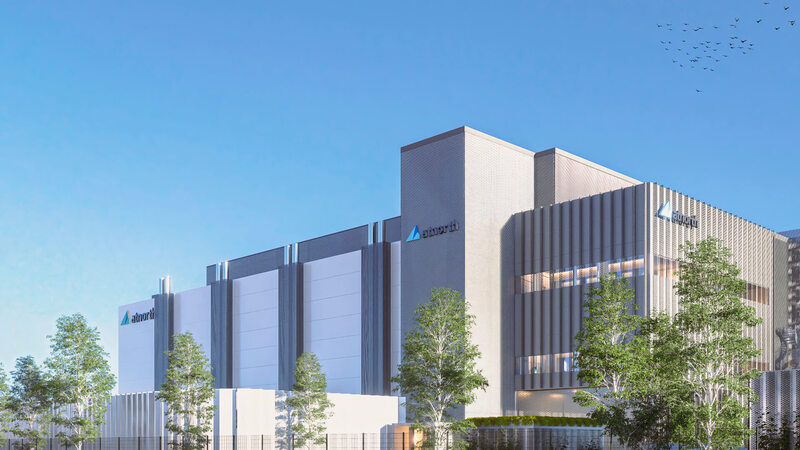
From 2024 the market turned to AI. The Yandex campus became Nebius, which expanded it for AI workloads. Infrastructure investors bought atNorth, Verne and Digita between 2022 and 2026. In September 2026 Google announced €13 billion of investment over two years in Hamina, Kajaani, Muhos and Vaala, its largest commitment in Europe.
The Market Today
Helsinki holds most of the country's colocation and interconnection. Equinix, Telia, Verne, atNorth and Hetzner run the largest facilities, and the FICIX exchange connects networks across the metro. Microsoft is building campuses west of the capital, including Kirkkonummi and Vihti. Nebius and Verne are both building in Mäntsälä.
The southeast is a second hub. Kymenlaakso combines Google Hamina with new builds in former mills around Kouvola, where DayOne operates a building leased to TikTok. Nebius began works on an AI campus in Lappeenranta in May 2026.
Large builds are spreading across the north. In North Ostrobothnia, GleSYS and Trevian are building a campus in Oulu, and Google holds sites in Muhos and Vaala. Kajaani hosts LUMI and a growing XTX Markets campus.
The west coast is filling in. In Ostrobothnia, Microsoft is developing a campus in Vaasa. Pure DC is building in Seinäjoki, and Fortum is planning a large campus beside Fingrid's Rauma substation. Projects also reach inland towns such as Lahti, Tampere and Kuopio.
Advantages
-
Low-carbon power. Nuclear, hydro and wind supply most of Finland's electricity. Olkiluoto 3 entered regular production in April 2023, and wind capacity reached about 9,400 MW at the end of 2025.
-
Free cooling. A cool climate allows outside-air and free cooling for most of the year.
-
Heat buyers. Most towns run district heating networks that buy server heat. LUMI's waste heat covers about a fifth of Kajaani's district heating demand.
-
Industrial land. Closed paper mills and municipal industrial parks offer large zoned plots near existing power lines and water.
-
Northern grid room. Fingrid says the grid has room for new load, especially in northern Finland near wind and hydro output.
Challenges
-
Grid access. Fingrid has received connection enquiries of over 100 GW, more than half from data centers, against national peak demand below 16 GW. Data centers held about 5 GW of signed connection agreements by August 2026. Fingrid paused new connections above 10 MW in the Helsinki region until early 2027.
-
Connection rules. Since November 2025, Fingrid only answers connection requests backed by a final zoning plan and a building permit. The government is preparing priority rules for new grid connections.
-
Electricity tax. On 1 July 2026, data centers lost the reduced industrial electricity tax rate and moved to the standard rate. In September 2026 the government dropped a planned aid scheme that would have offset part of the increase.
-
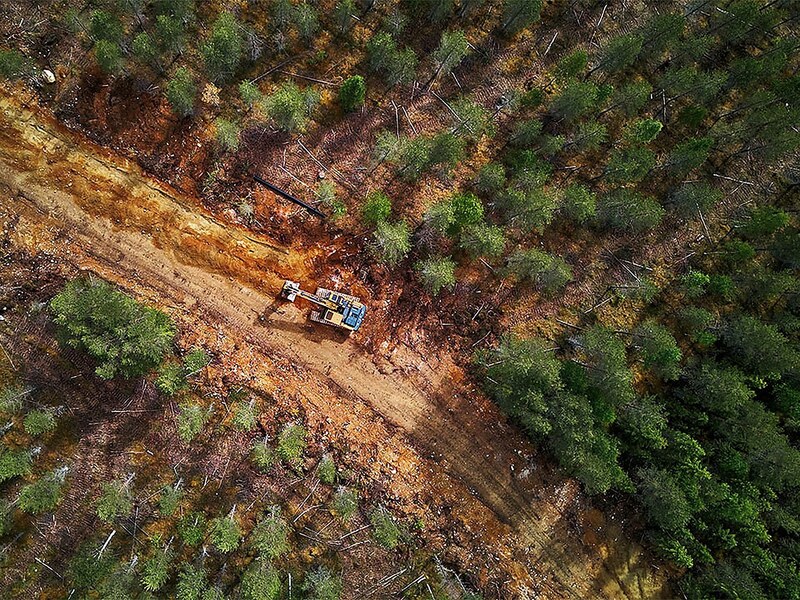
Environmental permits. In October 2026 the Licensing and Supervision Authority (LVV) ordered Google to stop land works at its Muhos and Kajaani sites until their environmental impact assessments are complete.
Trends
-
AI and hyperscale demand. GPU clouds and hyperscalers drive most new capacity. Google, Microsoft and Nebius account for the largest commitments.
-
Developer-led campuses. Developers such as FCDC, Hyperco, Polarnode and Scale42 secure land and grid capacity before they name tenants.
-
Moving north and west. New projects follow spare grid capacity near wind and hydro generation. The Ostrobothnia regions hold about three quarters of the country's wind capacity.
-
Heat as a product. New projects design for district heating from the start, and Helsinki's 2026 siting principles make heat reuse a condition.
-
Ownership turnover. Infrastructure funds now own several of the largest colocation platforms.
Power and Policy
Fingrid operates the national transmission grid, and the Energy Authority (Energiavirasto) regulates it. Regional and municipal companies distribute power at 110 kV and below. Fingrid's 2026 to 2035 grid development plan, published in December 2025, adds 400 kV lines and substations across western, northern and eastern Finland. The Licensing and Supervision Authority (LVV) handles environmental permits and impact assessments. Data centers have paid the standard electricity tax rate since 1 July 2026. A bill sent to Parliament in October 2026 creates a national data center register for projects of 0.5 MW of IT load or more, with a proposed start on 1 April 2027.