Overview
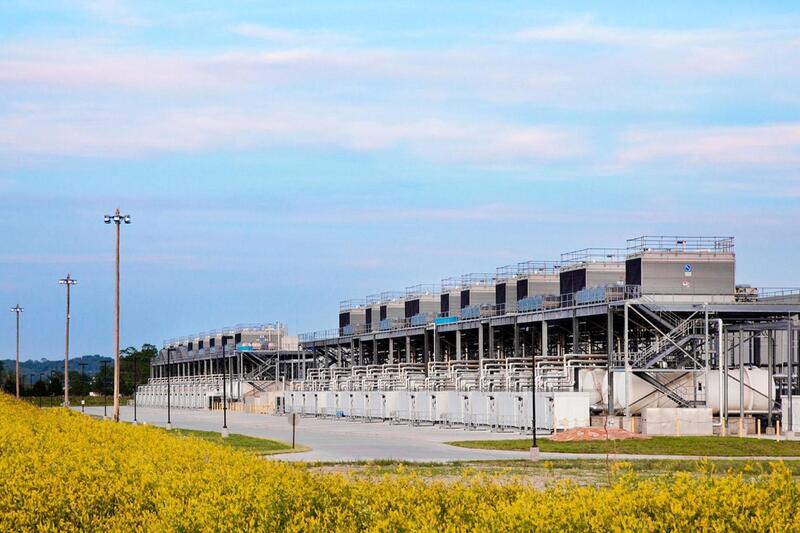
Kymenlaakso is a region in southeast Finland on the Gulf of Finland, with Kouvola, Kotka and Hamina as its main towns. Google put it on the map when it opened its Hamina campus in 2011. A second wave of builders has since moved into closed paper mills around Kouvola. The region is one of the main growth markets in Finland.
History
The region's data center story grew out of the decline of its forest industry. In 2009 Google bought the former Summa paper mill in Hamina from Stora Enso. It reused the mill's seawater cooling system and opened the campus in 2011. Google then expanded the site in repeated phases. Business Finland put its investment at €3.5 billion by 2024, before a €1 billion seventh expansion in May 2024.
Kouvola followed a decade later. UPM closed its Voikkaa and Myllykoski paper mills in 2006 and 2011, leaving brownfield land with grid connections and river water. In December 2024 Hyperco bought land in Koria for its first data center. Edgnex, the data center arm of DAMAC, acquired Hyperco in April 2025. In June 2025 atNorth won a building permit for the former Myllykoski mill area.
The Market Today
Google Hamina remains the region's anchor, with about 500 staff. Since late 2025 it has supplied free waste heat to Haminan Energia, covering about 80% of the town's district heat. In September 2026 Google announced at least €13 billion of Finnish investment over two years, including new Hamina buildings. The same month it bought 56.4 hectares of city land north of the campus.
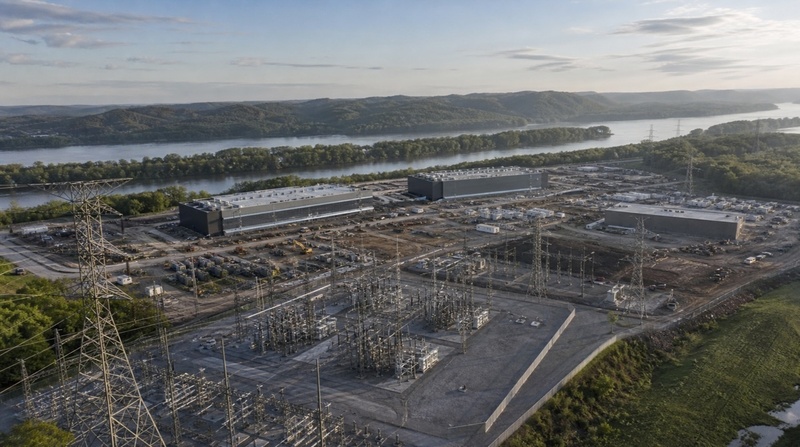
Kouvola is the fastest-growing cluster. The city named TikTok, owned by ByteDance, as the main user of Hyperco's first Koria building, due in 2027. A second Hyperco building received a permit with early start in June 2026. atNorth is building on both banks of the Kymi River at Myllykoski, with YIT and Peab as contractors. CPP Investments and Equinix completed their purchase of atNorth in September 2026.
Smaller projects fill out the pipeline. A developer won a change-of-use permit for the old Voikkaa mill building in June 2026. Nova Complex, a Singapore developer, plans to start operations at the Kymin Ruukki industrial area in summer 2027.
Advantages
-
Brownfield mill sites. Closed paper mills offer large plots, existing grid connections, water and industrial zoning.
-
Grid backbone. Fingrid's Kymi and Koria substations sit close to the main sites in Hamina and Kouvola.
-
Heat reuse. District heating networks in Hamina and Kouvola take waste heat from data centers.
-
Cold climate and seawater. Low air temperatures and Gulf of Finland seawater cut cooling energy.
-
Proven location. Fifteen years of hyperscale operation in Hamina give new builders a local workforce and supply chain.
Challenges
-
Grid build-out. Large campuses need new 110 kV lines and substation work before they reach full load.
-
Permits. Large backup-generator fleets trigger environmental permits and, for the biggest projects, environmental impact assessments.
-
Contractor demand. YIT is building for both Hyperco and atNorth, and more projects compete for the same crews.
-
Distance from Helsinki. Kouvola and Hamina sit roughly 130 to 150 km east of Helsinki, the country's main interconnection hub.
Trends
-
AI and hyperscale growth. Google's 2026 program and the new Kouvola campuses push the region well beyond its Hamina base.
-
Foreign capital. Edgnex, CPP Investments and Equinix now own the region's largest new builds.
-
Mill conversions. Developers keep turning closed forest-industry sites into data center land.
Power and Policy
Fingrid, the national transmission system operator, connects large data centers at 110 kV or 400 kV. Fingrid reports very strong demand for new connections, led by data center projects. Regional network companies serve smaller loads under the oversight of the Energy Authority. Municipalities control zoning and building permits, and Kouvola has issued several for data centers since 2025. The Permit and Supervision Agency (LVV) screens large projects for environmental impact assessment and grants environmental permits.