Overview
The Abilene region covers 25 counties of West-Central Texas. It runs from Haskell and Knox in the north to San Angelo, Brady and the Concho Valley in the south. It sits in the Electric Reliability Council of Texas (ERCOT) grid, on the eastern edge of the West Texas wind belt. In five years the region went from a few crypto and enterprise sites to some of the largest AI campuses in the United States. Most projects are hyperscale or AI training campuses on rural land, and many plan their own natural-gas power plants.
History
Wind power came first. Horse Hollow, in Taylor and Nolan counties, was the world's largest wind farm when it was finished in 2006, and Roscoe followed in 2009. The state's Competitive Renewable Energy Zones (CREZ) program finished its high-voltage lines in 2013, tying the area to Dallas and Austin. That left strong 345 kV transmission and cheap, often surplus power across the Big Country.
Lancium saw the opening first. In 2021 the City of Abilene annexed about 800 acres in north Abilene for Lancium's Clean Campus, planned for bitcoin mining and flexible computing. Construction began in November 2022. In 2024 Crusoe and Lancium agreed to build AI data centers there, and Cipher Mining bought its Barber Lake site near Colorado City.
The Abilene campus became the first site of OpenAI's Stargate project in January 2025. Its first two buildings went live that September. Vantage Data Centers announced its Frontier campus in Shackelford County in August 2025. Google named two Haskell County campuses in its Texas investment that November. In March 2026, Oracle and OpenAI dropped the planned Stargate expansion, and Microsoft leased those buildings from Crusoe instead.
The Market Today
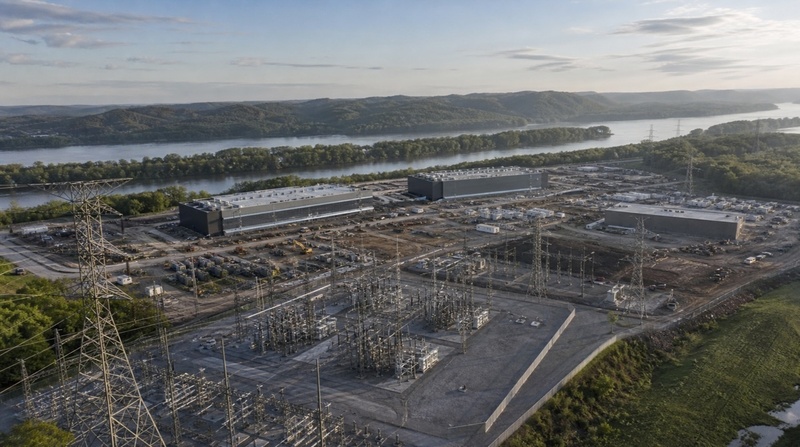
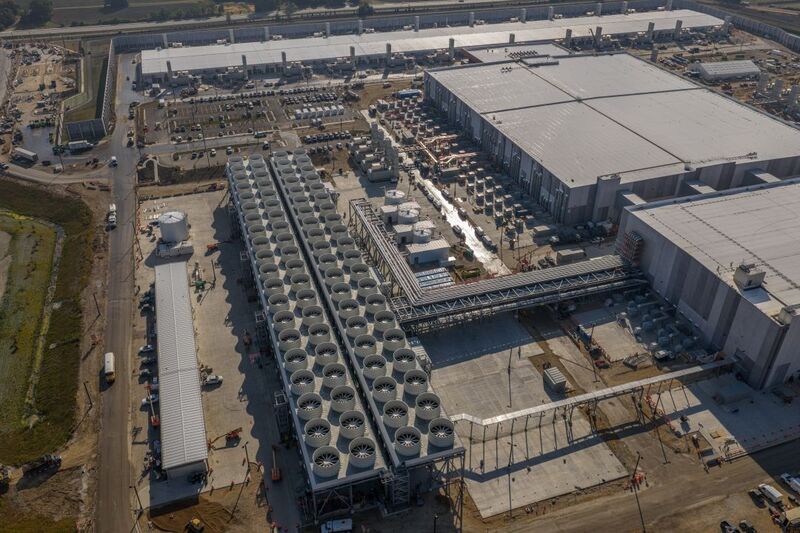
North Abilene holds the Lancium Stargate campus, where Crusoe builds and Oracle leases eight buildings for OpenAI. Most of them were delivered by late 2026. Crusoe is adding two larger buildings for Microsoft, powered by a new on-site gas plant. East of the city, Vantage Data Centers is building ten buildings at Frontier for Oracle and OpenAI, with its own gas generation. An edge data center serves schools from the Region 14 Education Service Center.
To the north, Google is building its Thelma and Journey campuses in Haskell County, with two more sites in development nearby. Crusoe plans another Haskell County campus near Weinert. To the west, IREN is developing two large campuses in Fisher County. Cipher Digital is building Barber Lake for an AI cloud tenant. Crusoe, CloudBurst and SB Energy hold tax abatements for new campuses in Nolan and Scurry counties.
San Angelo is the second hub. Skybox Datacenters and Cipher Digital plan campuses beside the Red Creek substation northeast of the city. Southwest of town, Beacon Data Centers has proposed an off-grid campus. Cloudnium runs a small colocation site in a former telephone company building.
Advantages
-
Transmission. CREZ-era 345 kV lines cross the region, and several substations still have room for large loads.
-
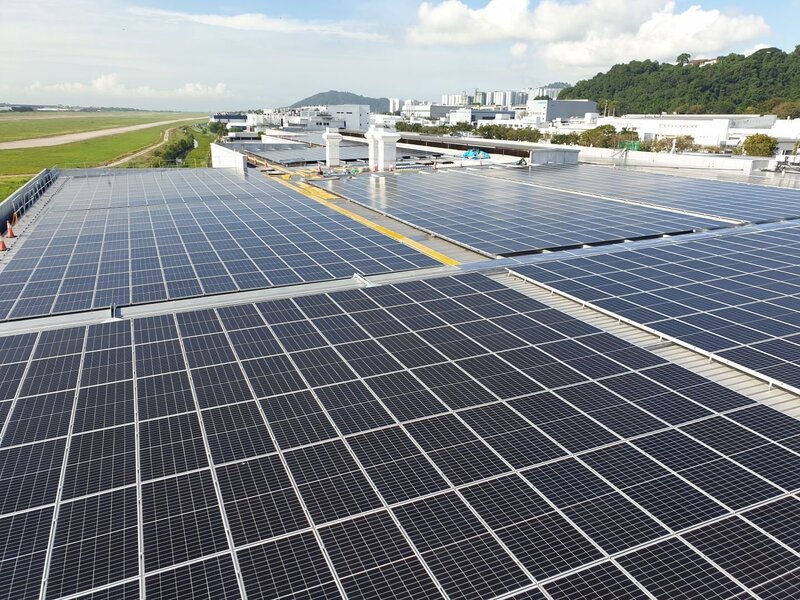
Low-cost power. Wind and new solar farms keep wholesale prices low. Developers can pair loads with generation, as Google does with solar and batteries in Haskell County.
-
Land. Ranch tracts of 1,000 acres or more sell or lease in single blocks.
-
Natural gas. Pipelines from the Permian Basin let campuses build their own gas plants when the grid queue is long.
-
Local incentives. Most counties and cities have approved property tax abatements for data centers.
Challenges
-
Grid queue. ERCOT's large-load queue has grown far beyond near-term supply. New requests now wait for a batch study.
-
State reviews. In August 2026 the governor ordered an audit that delayed ERCOT's first large-load batch study. In October 2026 the state paused air-permit reviews for several data center gas plants.
-
Local opposition. Clyde rejected a data center land lease in 2026, and Stonewall County delayed an abatement. San Angelo residents have challenged a campus on city land.
-
Water. Water is scarce in this semi-arid region, and it features in local debates over new campuses.
-
Weather. Heat, drought and winter storms test cooling and backup power. The February 2021 winter storm showed the grid's exposure to extreme cold.
Trends
-
Bring your own power. Frontier, the Stargate expansion, Crusoe's Nolan County campus and the Dove Creek project all plan on-site gas plants. Some plan no grid connection at all.
-
From crypto to AI. Lancium, Cipher and IREN began with bitcoin mining. They now build for AI tenants.
-
Fast re-leasing. Microsoft took over the Stargate expansion within weeks of Oracle and OpenAI leaving it.
-
A second wave. Bolt Data & Energy, SB Energy and CloudBurst push development across the rural counties around Abilene.
Power and Policy
The region lies in ERCOT and is regulated by the Public Utility Commission of Texas (PUCT). AEP Texas serves Abilene and San Angelo, and Oncor serves parts of the western counties. Electric Transmission Texas (ETT) builds many of the new 345 kV stations. Senate Bill 6 (2025) set rules for loads of 75 MW and up, including study fees, backup generation disclosure and emergency curtailment. The PUCT adopted its large-load interconnection rule in September 2026. ERCOT's first batch study of large loads, approved in June 2026, was then delayed by the governor's audit.