now has more data center capacity operating and under construction than [Virginia](https://baxtel.com/data-center/virginia). Baxtel tracks 28.3 GW buil...](https://cdn.baxtel.com/data-center/2026-is-the-year-texas-passes-virginia-in-data-center-capacity/logo/large_2026-is-the-year-texas-passes-virginia-in-data-center-capacity-featured.webp)

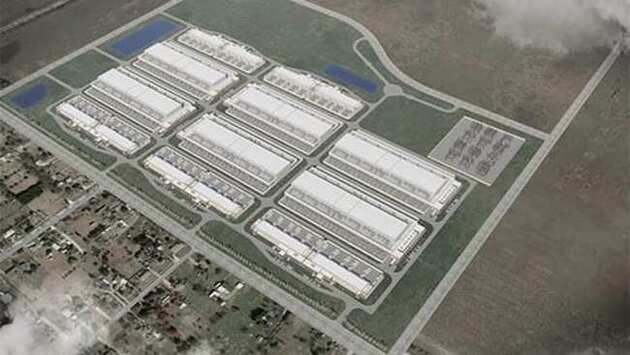
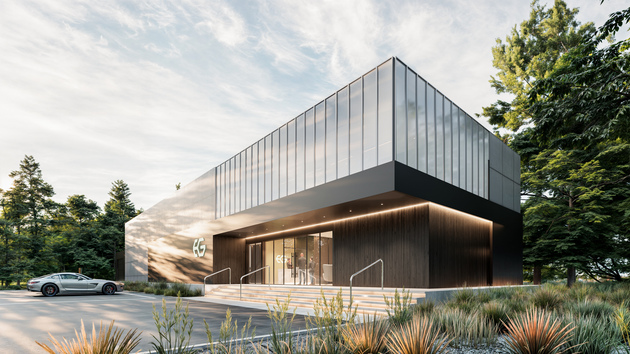
Texas now has more data center capacity operating and under construction than Virginia. Baxtel tracks 28.3 GW built or building in Texas, against 17.8 GW in Virginia. On capacity already online, Virginia still leads, 12.3 GW to 11.1 GW. If projects scheduled for thi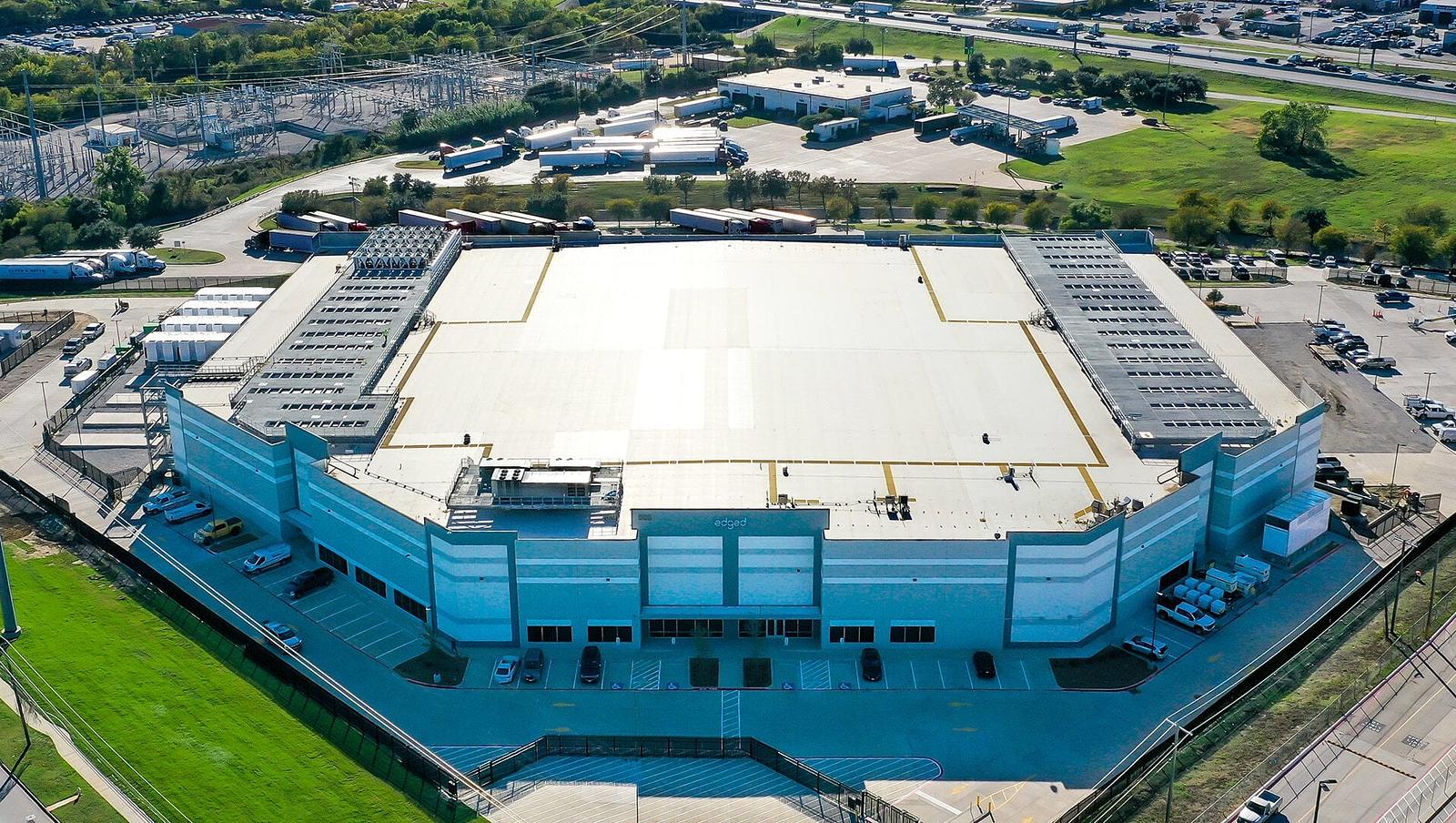 Editorial exterior view of a modern data center facility in the Dallas, Texas market.s year deliver on time, Texas closes that gap by year-end.
That ends a run Virginia has held for more than a decade. In Baxtel's data, Virginia has had more operating capacity than any other state every year since 2016.
The numbers
Here is how the two states compare across lifecycle stages:
- Operational: Virginia 12.3 GW, Texas 11.1 GW
- Under construction: Texas 17.2 GW, Virginia 5.5 GW
- Operational plus under construction: Texas 28.3 GW, Virginia 17.8 GW
- Planned, prospective and land bank: Texas 63.6 GW, Virginia 20.3 GW
Texas holds 32% of all US data center capacity under construction that Baxtel tracks. Virginia holds 10%.
The crossover on capacity online lands this year. Based on scheduled delivery dates, Texas reaches 14.6 GW online by the end of 2026, against 13.8 GW for Virginia. By the end of 2027, the gap widens to 26.7 GW versus 17.5 GW.
Brokers see the same shift. JLL's midyear 2026 report puts Texas at 26 GW of existing and under-construction capacity, against 13 GW for Virginia. "Texas has cemented its position as the state for data centers," JLL wrote. In February, JLL projected that Texas would overtake Virginia by 2030. The crossover arrived years early.
No Texas metro comes close to Northern Virginia
The state total hides a lopsided comparison. Northern Virginia is still the largest data center market in the world. Baxtel tracks 10.1 GW operating there, about 17% of all US operating capacity. That is 3.6 times Dallas, the largest Texas metro at 2.8 GW.
Texas wins by adding up. Dallas, Austin, San Antonio and Houston together operate 5.0 GW, less than half of Northern Virginia. Add West Texas and the total reaches 9.4 GW. That is still short of Northern Virginia alone.
The construction pipeline flips the math. The four metros plus West Texas hold 22.5 GW operating or under construction, well past all of Virginia.
West Texas alone has 7.6 GW under construction. That is more than Virginia's entire construction pipeline.
Bigger sites, built faster
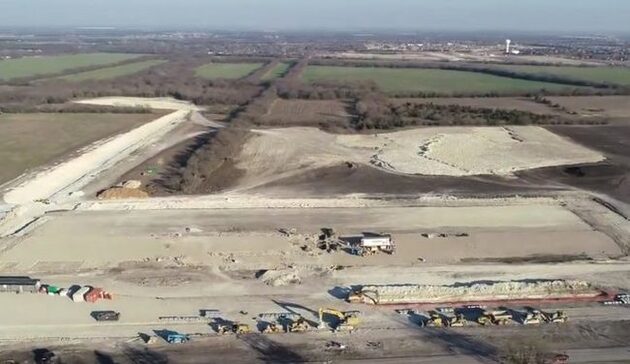
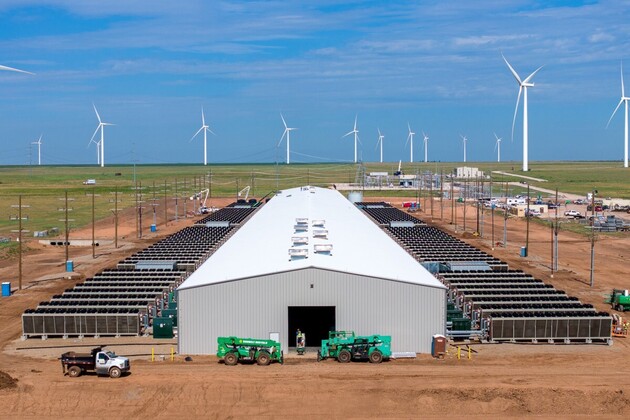
Texas has 132 sites under construction, against 75 in Virginia. The Texas projects are also far larger. Four Texas campuses under construction are planned at roughly 900 MW or more, including Fermi America's HyperGrid campus in Amarillo and IREN's Sweetwater campus. No Virginia site under construction is planned above 300 MW.
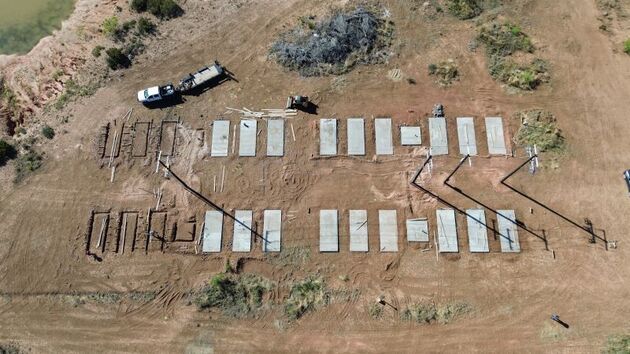
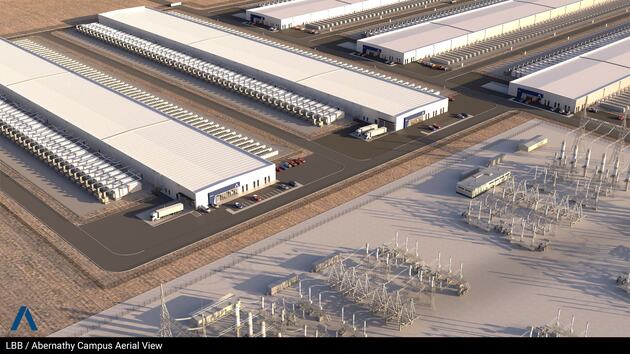
OpenAI's Stargate 1 in Abilene shows the pace. The campus has 421 MW operating, with another 422 MW scheduled for the fourth quarter.
The two states also run different kinds of capacity. Roughly 4.7 GW of Texas's operating base sits at sites run by companies that started as bitcoin miners, several now converting to AI hosting. Virginia's base is cloud and colocation, led by Amazon, Microsoft, QTS and Digital Realty.
Virginia is still growing
Virginia has not slowed down. Its operating capacity grew 148% since 2022, ahead of Texas at 133%. Virginia added 7.3 GW over that span, while Texas added 6.3 GW.
Power demand is still climbing too. Dominion Energy added more than 5 GW of contracted data center load in the first half of 2026.
Local approvals are the constraint. Loudoun County supervisors voted in September to advance a 12-month pause on new data center applications, and a final vote is pending. Prince William County cut its by-right data center district by about two-thirds, from 9,700 acres to 3,500.
Texas has its own brake
In August, Governor Greg Abbott ordered an audit of every data center in ERCOT's interconnection process. ERCOT then paused approvals to energize data centers and crypto facilities of 75 MW or more. Its verification reports are due December 10.
On September 21, Abbott extended the freeze to environmental permits.
"Data centers must pay their own way, protect our grid and water, and complete the ERCOT and TWDB audits. Until they do, TCEQ will issue no permits sought by data center projects," said Abbott.
The pause hits the capacity that decides the crossover. Texas has 3.5 GW of construction scheduled to finish in 2026. Projects outside ERCOT, including El Paso, follow a separate grid process.
Baxtel's figures cover every facility type it tracks, including hyperscale, colocation, enterprise and crypto, as of October 2026.
Why it matters
The US data center market no longer has a single center. Northern Virginia remains the home of cloud regions and interconnection, and no Texas metro will match it this decade. New capacity follows land and power, though, and Texas has more of both. Gigawatt campuses are rising across Texas, and Virginia has nothing of that scale under construction.
The risk to Texas's lead now sits in Austin, not on the grid. If ERCOT clears its audit in December, Texas takes the operating lead within months and holds a pipeline three times Virginia's. If the audit drags into 2027, buyers counting on Texas deliveries next year need schedules that survive it.