Overview
Waco (Central Texas) spans the counties between Dallas-Fort Worth, Austin and Houston, from Hill and Bosque counties south to the Brazos Valley around Bryan. Interstate 35 and Interstate 45 cross it on their way between those metros. Its colocation market is small and sits in downtown Waco and downtown Bryan. Since 2025, developers have made the region one of the most active AI campus markets in Texas. They build beside its gas and coal power plants, or bring their own gas generation.
History
Texas IT and network firms built the region's first commercial data centers. FiberTown opened its Bryan data center downtown in 2007. In 2009 Clearview International opened the Information Technology Gateway inside a Cold War-era fallout shelter in downtown Waco. Zayo bought Clearview in April 2016 and moved the Waco site into its zColo brand. DataBank bought zColo's US data centers in December 2020 and renamed the site Waco ACT1. In February 2023 the infrastructure fund Aphorio Carter bought FiberTown's Bryan property, and FiberTown stayed on under a net lease.
Power plants shaped the region long before data centers arrived. For decades, lignite mines fed large coal plants in Freestone, Limestone and Grimes counties. Two of them closed in 2018: Big Brown near Fairfield and Gibbons Creek in Grimes County. The Sandy Creek plant near Riesel opened in 2013 as the newest large coal plant in the US. Winter Storm Uri hit the grid in February 2021. It left Waco-based Brazos Electric Power Cooperative owing about $1.9 billion to the Electric Reliability Council of Texas (ERCOT). The cooperative filed for bankruptcy on March 1, 2021.
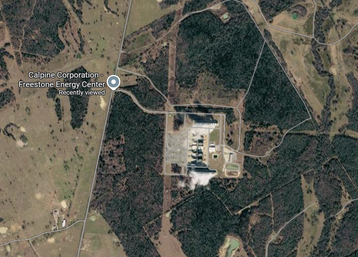
The AI wave reached the region in 2025. In July 2025 Calpine and CyrusOne announced a powered-land campus beside Calpine's Thad Hill Energy Center in Bosque County. Cipher, then a bitcoin miner, had already lined up land beside the Sandy Creek plant. In February 2026 CyrusOne signed a second deal with Calpine, by then part of Constellation, at the Freestone Energy Center near Fairfield. It broke ground there in June 2026.
The Market Today
DataBank's Waco ACT1 serves enterprise colocation customers in Waco. Lumen Technologies also runs a site in the city. FiberTown runs the Bryan facility, which also hosts a point of the FD-IX Houston internet exchange.
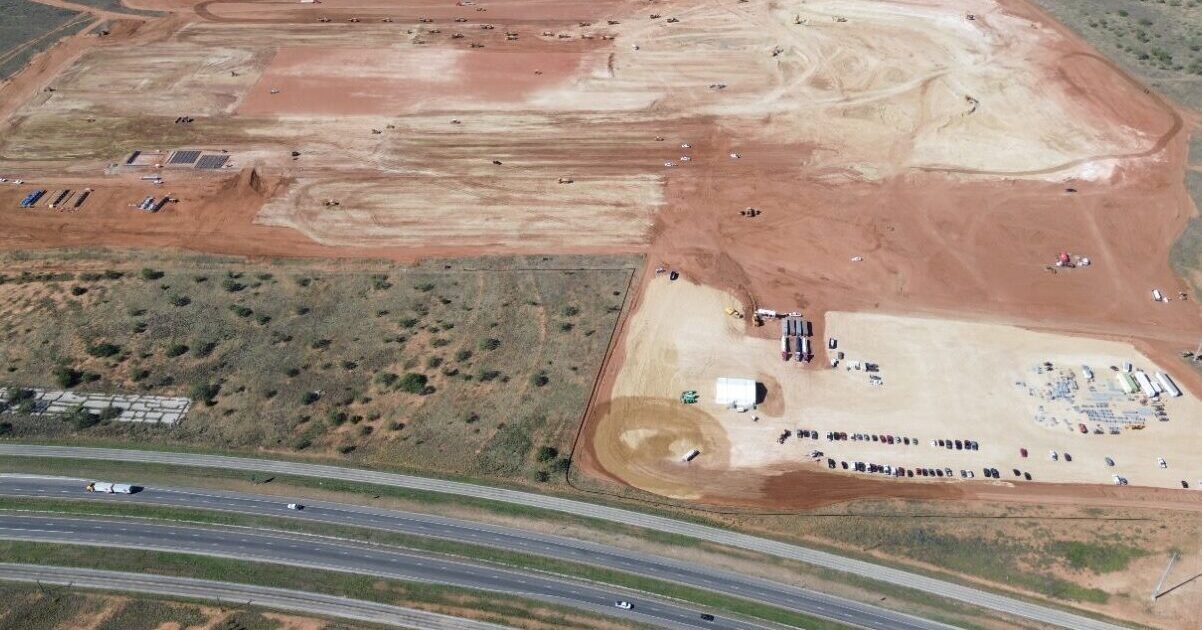
The wholesale pipeline sits in the countryside along I-35 and I-45. CyrusOne's Bosque County campus, near Lake Whitney, aims to open its first building in late 2026. Its Freestone County campus is under construction. Operators market these and other campuses here under Dallas-Fort Worth names, though they sit 100 km or more south of Dallas. Nexus Data Centers is building its Apex campus outside Hubbard in Hill County. It plans to run Apex on its own natural gas turbines.
Around Waco, other developers target AI tenants. Cipher Digital plans a campus beside the Sandy Creek plant near Riesel. Galaxy Digital bought about 500 acres in McGregor in 2026. Infrakey DC Parks plans a data center park north of Waco with on-site gas power and treated-wastewater cooling. Farther east, Belltown Power plans a campus near Jewett in Leon County.
Advantages
-
Power plant sites. Large gas and coal plants dot the region, with transmission already built. Calpine's deals with CyrusOne show how a plant owner can sell land, power and grid access together.
-
Natural gas. Pipelines cross the region, so developers can build their own generation on site.
-
Location. The region sits in the Texas Triangle between Dallas-Fort Worth, Austin and Houston. I-35 and I-45 link it to all three metros.
-
Land. Ranchland and industrial parks offer parcels of hundreds or thousands of acres.
-
Taxes. Texas levies no personal income tax. Qualifying data centers can claim a state sales tax exemption on equipment and electricity, and counties can grant property tax abatements.
-
Talent. Baylor University, Texas State Technical College and Texas A&M University's RELLIS campus in Bryan train engineers and technicians.
Challenges
-
Grid queue. By mid-2026 ERCOT tracked more than 400 GW of large-load requests, mostly from data centers. Grid connections take years, and new large loads pay toward their upgrades.
-
Local opposition. Residents have packed hearings in Lacy Lakeview and McGregor over noise, traffic and water. In Jewett, more than 200 Leon County residents turned out against Belltown Power's plan. In April 2026 Nexus withdrew a Hill County tax abatement request after residents objected.
-
Shifting county rules. Texas counties have no general zoning power. In May 2026 Hill County voted for a one-year pause on new data centers and power plants in unincorporated areas. It rescinded the pause in June after a developer sued, and adopted new review requirements.
-
City boundaries. Infrakey's park north of Waco needs the City of Waco to release the land from its extraterritorial jurisdiction.
-
Water. Cooling water is a top local worry in a drought-prone state. Developers answer with closed-loop cooling and treated wastewater.
Trends
-
Campuses move to the power plant. CyrusOne's two Calpine campuses and Cipher's Sandy Creek site pair data halls with existing plants. In 2026 the Public Utility Commission of Texas (PUCT) approved the Freestone co-location, with conditions.
-
Developers bring their own power. Nexus, Infrakey and Belltown plan on-site gas generation beside or in place of grid power.
-
Crypto firms turn to AI. Cipher Mining renamed itself Cipher Digital in February 2026 as it moved from bitcoin mining to AI hosting. Galaxy Digital chose McGregor for its second Texas AI campus.
-
Nuclear on the horizon. In February 2025 the Texas A&M University System chose four developers to build small reactors at its RELLIS campus in Bryan.
Power and Policy
ERCOT runs the grid across the region, and the PUCT regulates it. Oncor delivers power in Waco, while cooperatives such as Heart of Texas Electric Cooperative serve rural areas. Brazos Electric Power Cooperative, based in Waco, sells wholesale power to member cooperatives. Senate Bill 6, signed in June 2025, makes new loads of 75 MW or more share their interconnection costs. It also requires those loads to accept curtailment during grid emergencies. The Texas Commission on Environmental Quality (TCEQ) issues air permits for on-site gas plants.