Overview
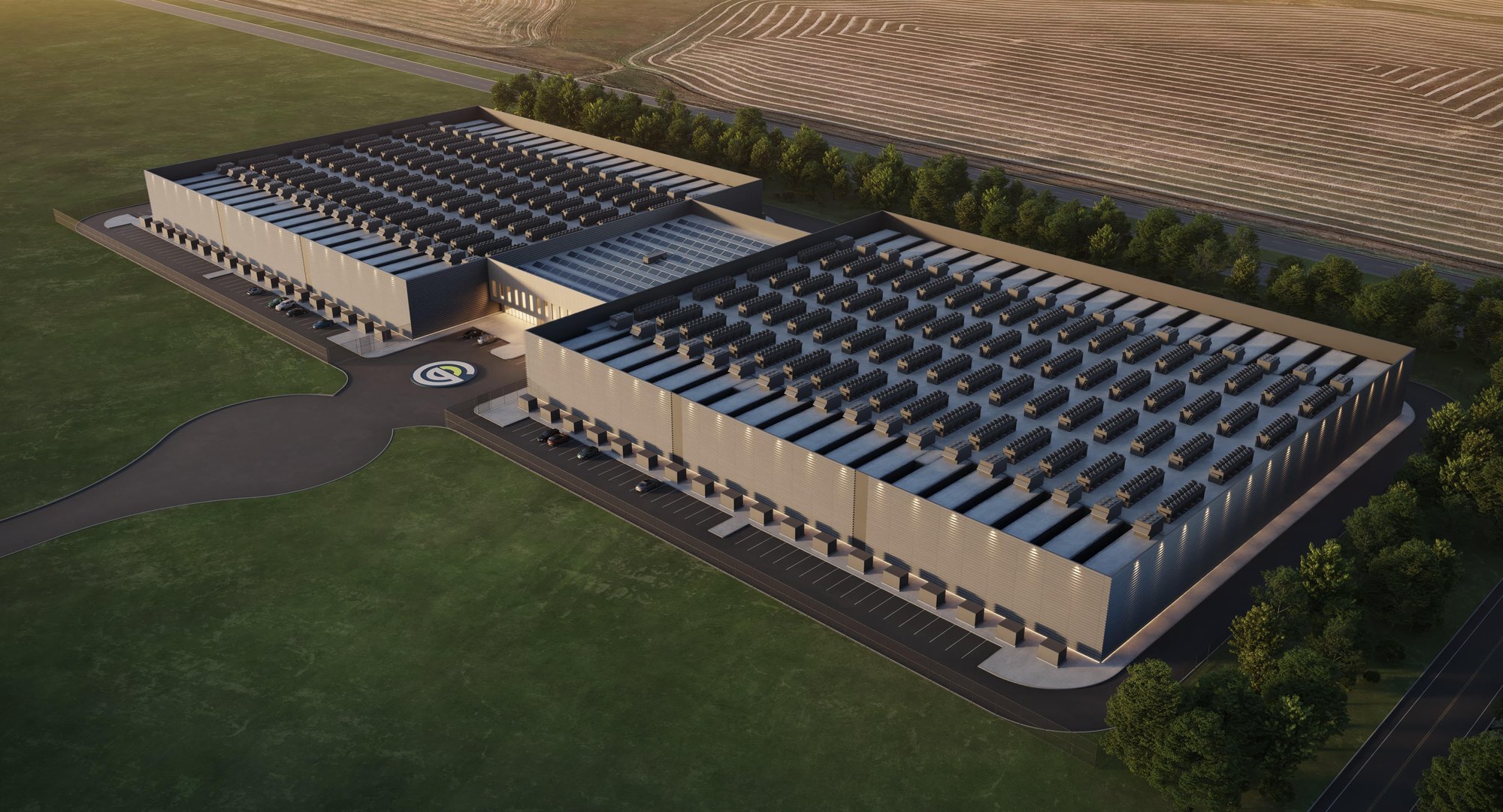
Alberta has two data centre markets. An established colocation and cloud market serves Calgary and, on a smaller scale, Edmonton. Around them, developers are proposing large AI campuses on rural land, most built around on-site natural gas generation. The province's AI Data Centres Strategy, launched in December 2024, aims to attract C$100 billion of data centre investment within five years. More than 20 GW of data-centre load has since asked to connect to the provincial grid.
History
Alberta's data centres grew out of its telecom carriers, internet providers and energy-sector head offices. Wolfpaw has provided internet services in Edmonton since 1998, and TELUS opened its Calgary Internet Data Centre in 2001. Through the 2000s and 2010s, carriers built most of the province's colocation. Rogers' 2014 facility in Airdrie was billed as Alberta's first Tier III certified data centre.
The carriers later sold to specialist operators. Shaw sold its Calgary facility to eStruxture in 2019, and Bell sold its Calgary sites to Equinix in 2020. In December 2025 InfraRed Capital Partners bought Rogers' data centres in Calgary and Edmonton, which now run as Qu Data Centres.
Bitcoin mining arrived in 2018, when Hut 8 opened mines in Drumheller and Medicine Hat. Amazon Web Services launched its Canada West region in Calgary in December 2023. The AI wave followed in late 2024, with the provincial strategy and the Wonder Valley campus proposal near Grande Prairie. In July 2026 Meta broke ground in Sturgeon County on its first data centre in Canada.
The Market Today
Calgary is the province's colocation and cloud hub. Equinix, eStruxture, Qu Data Centres and Cologix lead the market. eStruxture is building an AI-ready facility in Rocky View County, with CoreWeave as its anchor tenant.
Edmonton's colocation market is smaller and led by regional operators, including Qu Data Centres, Wolfpaw and Kyndryl. The Edmonton region also anchors the province's AI build. Meta's Sturgeon County campus will draw on the new Greenlight Electricity Centre, and Beacon Data Centers plans a gas-powered campus next door. Brookfield and CPP Investments plan the Boreal Technology Hub at TransAlta's Keephills site, west of the city.
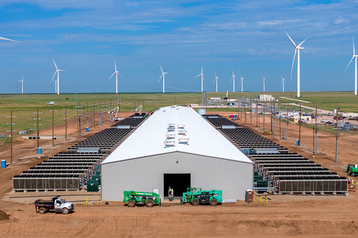
Northern Alberta's gas fields host a second group of projects. They include O'Leary Digital's off-grid Wonder Valley near Grande Prairie, the First Nation-led Mihta Askiy near Peace River, and Bitdeer's build at Fox Creek. In the south, Hut 8 mines bitcoin in Medicine Hat, and Whipcord runs colocation in Lethbridge.
Advantages
-
Power options. Alberta runs Canada's only fully deregulated electricity market. Large users can buy power directly from producers or build their own generation.
-
Natural gas. The province has abundant, low-cost gas. Producers and pipeline companies now offer land, fuel and power plants to data centre developers.
-
Climate. Cold, dry air allows long free-cooling seasons. Meta chose a closed-loop, dry-cooled design for its Sturgeon County campus.
-
Land and industry. Open land is plentiful. The Industrial Heartland northeast of Edmonton already has pipelines, transmission lines and heavy-industrial zoning.
-
Taxes. Alberta has no provincial sales tax, no payroll tax and the lowest provincial corporate income tax rate in Canada.
-
Policy support. The province's AI strategy promised faster approvals and a concierge service for data centre projects.
Challenges
-
Grid access. In June 2025 the Alberta Electric System Operator (AESO) capped new large data-centre load at 1,200 MW. All of it went to two projects near Edmonton. More than 20 GW of other requests wait for a second intake, which had not opened by October 2026.
-
Bring-your-own gas. The AESO's proposed rules connect new large loads only with new gas-fired generation, not renewables or storage. Large gas plants take years to build, and the plant for Meta's campus enters service in late 2030.
-
Carbon intensity. Natural gas supplies most of Alberta's electricity. Gas plants pay the provincial industrial carbon price, frozen at C$95 per tonne in 2025. Buyers with clean-energy targets can find cleaner grids elsewhere in Canada, in British Columbia, Manitoba and Quebec.
-
New costs and curtailment. Data centres now pay for the transmission upgrades they need. A levy on facilities of 75 MW or more starts on December 31, 2026. Large data centres are also the first loads shed in a supply emergency.
-
Local approvals. Residents appealed Meta's development permit, and a First Nation is challenging Wonder Valley's water licence in court. In 2026 residents near another southern Alberta campus won a judicial review of its rezoning.
-
Wildfire. Northern Alberta's boreal forest burns often. The 2016 Fort McMurray fire forced the evacuation of the whole city.
Trends
-
Bring your own power is the default. Nearly every large campus plans on-site gas, from combined-cycle plants to reciprocating engines and fully off-grid designs.
-
Energy companies are becoming developers. TransAlta, Capital Power, Pembina and Tourmaline now offer land, gas or power for data centres, often at existing plant sites. TransAlta converted its Sundance and Keephills units from coal to gas in 2021, and both sites now carry data centre plans.
-
Bitcoin miners are turning to AI. Bitdeer redesigned its Fox Creek site for future AI use. New West Data runs off-grid sites that host both bitcoin mining and AI compute.
-
Projects size just under 75 MW. The AESO reports a rise in requests of exactly 74.9 MW, which stay below the large-data-centre rules and the levy.
-
First Nations and municipalities shape the build. Woodland Cree First Nation majority-owns Mihta Askiy, and reserve land is exempt from the levy. Counties from Grande Prairie to Rocky View are writing data centre zoning rules or pausing rezonings.
Power and Policy
The AESO runs the grid and its connection queue, and the Alberta Utilities Commission (AUC) approves power plants, substations and transmission lines. EPCOR distributes power in Edmonton and ENMAX in Calgary. FortisAlberta serves most of central and southern Alberta, and ATCO Electric serves the north and east. The Utilities Statutes Amendment Act, 2025 made data centres pay for their transmission upgrades and gave priority to projects with their own power. The 2026 Data Centre Regulation defines a large data centre as 75 MW or more and puts those committing to new generation first in line. The AESO's proposed second intake allows temporary grid service for up to three years, capped at 1,600 MW across all projects.