counted 41 measures ac...](https://cdn.baxtel.com/data-center/voters-back-data-center-limits-in-40-of-41-ballot-measures-across-10-states/logo/large_voters-back-data-center-limits-in-40-of-41-ballot-measures-across-10-states-featured.webp)

Voters in 10 states approved nearly every local data center restriction on the Nov. 3 ballot. Ballotpedia counted 41 measures across those states, and voters backed limits or rejected pro-development proposals in 40 of them, according to the tracker's analysis and results compiled by CNBC. The exception was Harwood, N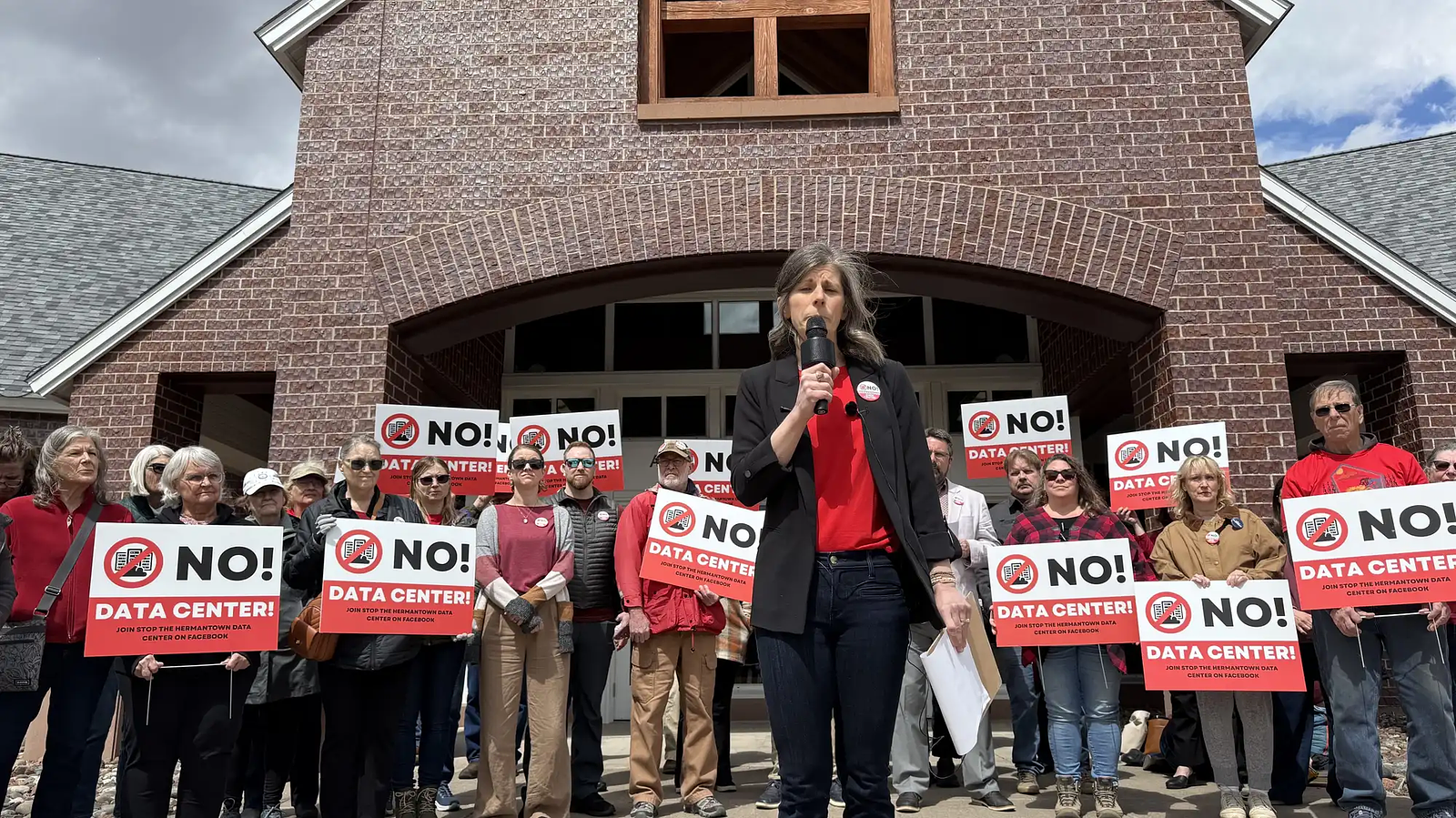 Featured: Local residents gather outside city hall with signs protesting data center rezoning and industrial expansion.orth Dakota, where voters rejected an added review of industrial projects, data centers included.
Ohio accounted for 21 of the measures, more than half the national total. Data Center Dynamics counted at least 14 Ohio communities that passed bans or restrictions. Granville, Hubbard, Piqua, Upper Sandusky, and Urbana voted to prohibit data centers inside their boundaries. Conneaut, Defiance, Oregon, and Sunbury capped projects above 25MW. Defiance passed its charter amendment 64.73% to 35.27%, and Granville approved its ban 82.45% to 17.55%, according to unofficial county results reported by Fox Business. In Ashville, voters rejected a term sheet for two EdgeConneX data centers 81.61% to 18.39%, and Wilmington voted down the rezoning of four parcels for data center use.
Granville and Pataskala, both in Licking County, approved bans. Amazon AWS proposed a $2bn project in Sunbury, the Guardian reported. Meta operates its Prometheus campus in New Albany, Ohio. OpenAI secured 8 gigawatts of computing capacity at the PORTS-Pike Technology Campus in southern Ohio, the largest planned AI data center campus in the world, with capacity due online in phases starting in 2028, CNBC reported.
Maine voters approved eight temporary moratoriums, the Guardian reported. North Berwick banned data centers of 25,000 square feet or more, while Peru, Wells, and Eliot passed 180-day moratoriums and Wiscasset approved a six-month pause. El Dorado, Kansas banned high-impact data centers and large battery storage for ten years, and Emporia banned projects above 10MW and 100,000 gallons of water a day. Alhambra, California banned data centers outright. Edgewater, Florida approved a charter amendment barring new data centers and expansions, and Janesville, Wisconsin now requires a public vote on projects costing more than $450 million.
Counts of the measures differ by outlet. The Washington Post counted at least 38 jurisdictions where voters passed measures limiting or blocking data centers, a narrower tally than Ballotpedia's 41. In a CNBC Voter Poll, 56% of voters called data centers a crucial or major factor in their Congressional vote. Ohio elected Amy Acton governor on a platform supporting a conditional moratorium, while Georgia Gov.-elect Keisha Lance Bottoms and Texas Gov.-elect Gina Hinojosa campaigned on tighter developer accountability.
The Data Center Coalition pointed to the economic case for the facilities. "Affordability, jobs, and the economy are priorities for Americans across the country," said Dan Diorio, executive vice president of state policy and government affairs at the Data Center Coalition. Diorio said data centers generate jobs, local tax revenue, and investment. Two more votes are scheduled. Clarksville, Arkansas decides two bond ordinances tied to a data center project on Dec. 1, and Mandan, North Dakota votes on a ban for projects of 25MW or more on Dec. 15, according to Ballotpedia.
Baxtel tracks more than 5,500 data centers across the United States, operated by 855 providers, including 310 in Ohio, where Amazon AWS runs 70 sites.
Related on Baxtel