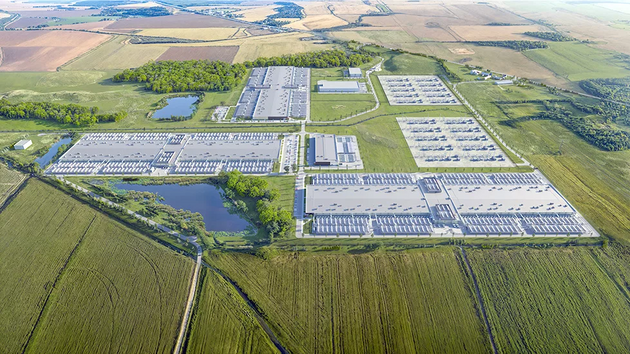
is now calling its data centers compute campuses, a change that arrived with a policy package published two days after the midterms. The company rel...](https://cdn.baxtel.com/data-center/openai-rebrands-data-centers-as-compute-campuses-after-midterm-rebuke/logo/large_openai-rebrands-data-centers-as-compute-campuses-after-midterm-rebuke-featured.png)

OpenAI is now calling its data centers compute campuses, a change that arrived with a policy package published two days after the midterms. The company released a National Community Compact and a Compute Campus Policy Blueprint on Nov. 5. The compact covers future campuses that OpenAI owns and operates in the United States. The term appeared first on Nov. 2 in OpenAI's Grid Pro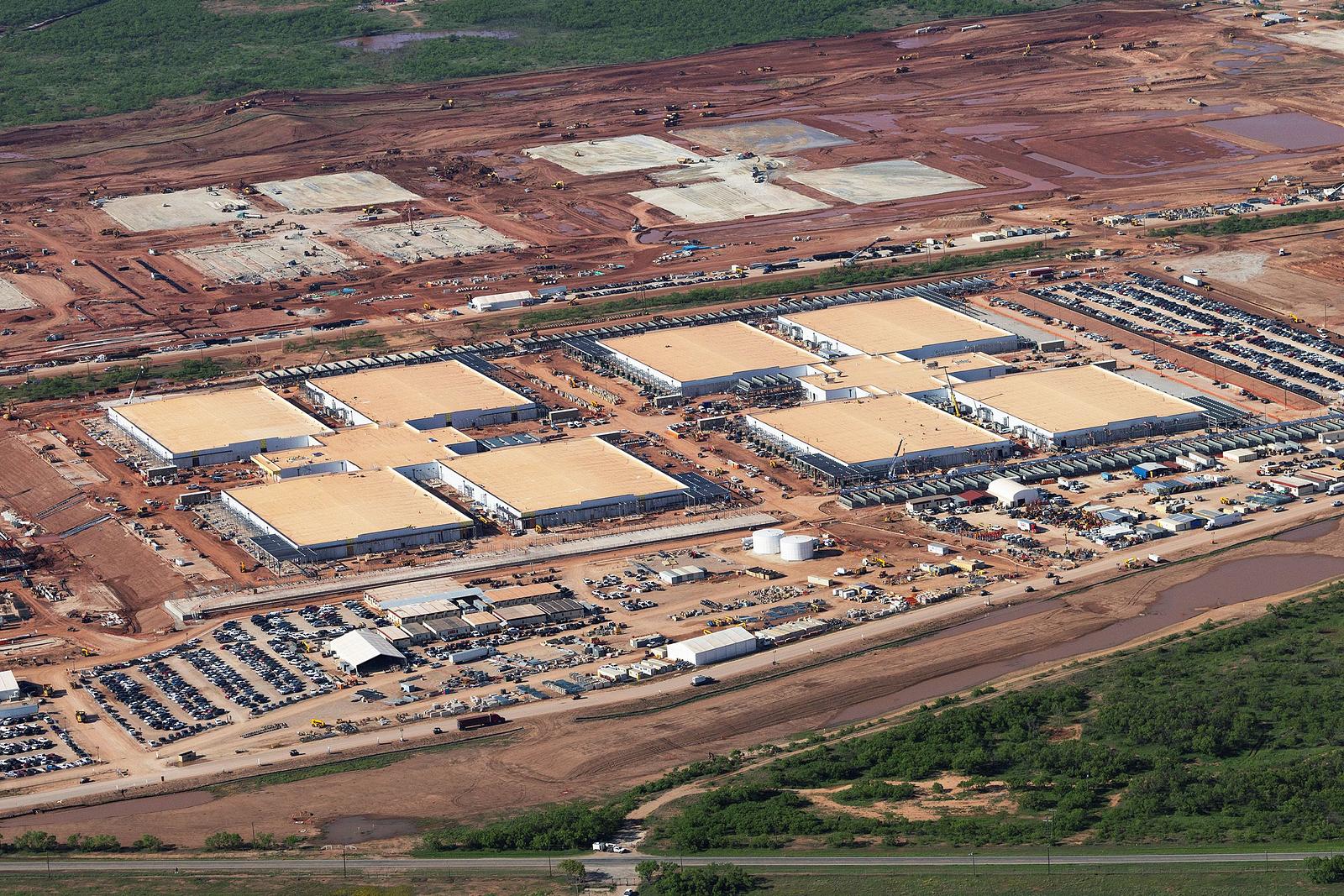 Featured: Wide Reuters photograph documenting construction and scale at OpenAI's flagship Stargate AI campus in Abilene, Texas.tectors Program announcement. The Verge counted two uses of "data center" in the roughly 900-word post.
The compact commits OpenAI to pay the full cost of the electricity it uses and the grid infrastructure built to serve it. OpenAI will also provide financial assurances so other electricity customers are protected if a project is delayed, reduced or cancelled, The Hindu reported. Each campus will get a water plan that favors closed-loop or low-water cooling. OpenAI will publish site-level water and electricity consumption, construction plans and independent noise studies before operations begin, and annually after that.
OpenAI also said it will stop using non-disclosure agreements with public officials, with exceptions for security information, trade secrets and other competitively sensitive material. The company will publish expected job creation, work with unions and training providers, and report annually on hiring and apprenticeships. The blueprint asks federal, state and local governments to require large electricity users to pay for the grid infrastructure and power costs they create. It also proposes consumer protections when projects are abandoned and disclosure of tax incentives tied to measurable commitments.
"What we're doing with this blueprint is really laying out the best lessons that we have learned and committing to applying them as they go forward," said Chris Lehane, OpenAI's chief global affairs officer, at a briefing before publication. Lehane told CNBC the blueprint had been in development since August and that he met with dozens of lawmakers and candidates in that time.
The package followed an election that went against the sector. In the Nov. 3 midterms, voters backed restrictions or rejected pro-development measures in 40 of 41 local ballot measures across 10 states, according to a Ballotpedia analysis and results gathered by CNBC. Data Center Dynamics reported that the rebrand is part of a wider plan to shift public and political perception of the industry. OpenAI says the name separates its facilities from older sites that may use more water or not contribute to the grid.
Georgia supplies the clearest example. OpenAI is planning Project Camellia, a four-building campus in Effingham County. OpenAI says its Georgia Power agreement lets the utility reduce electricity supplied to the facility by up to 1,000 MW during periods of high demand. Data Center Dynamics reported that the Grid Protectors commitments are a non-binding pledge to work with utilities, regulators and policymakers.
Critics said the new language does not address the objections behind the opposition. "Rebranding them 'compute campuses' may fool listeners once or twice but it's not the name 'data center' that is unpopular," said Holly Elmore, founder and executive director of PauseAI US, in an email to The Verge.
Baxtel tracks 28 OpenAI data center sites, one of them operational. Baxtel lists Project Camellia as four planned 800 MW buildings, the first due in the fourth quarter of 2028.
Related on Baxtel