
Cleveland City Council voted on the night of Oct. 19 to extend the city's moratorium on new data centers through Jan. 29, 2027, or until council enacts permanent rules. The extension keeps zoning permits and occupancy certificates frozen for new standalone data centers and also covers expansions of existing ones, while facilities already running stay open. The City of Cleveland outlines the original three-month pause that council approved on July 15.
About two dozen data centers operate in the city, senior policy advisor Kate Nielson told council, as ideastream reported.
None of them is a hyperscale, cloud or crypto standalone facility.
Cleveland's zoning code dates to roughly a century ago and never defined what a data center is, the gap Councilmember Charles Slife cited when he introduced the original ordinance. Council held three public hearings in late September and October and the mayor's office opened an online survey, drawing comments on electricity prices, water use, noise and infrastructure costs. Trade unions and the Ohio Chamber of Commerce asked council not to pause projects, cleveland.com reported ahead of the vote.
"This moratorium is based strictly on the fact that we are not ready to introduce legislation," said Brian Kazy, who chairs Cleveland City Council's utilities committee. "It has nothing to do with outside entities that may be putting pressure on either city council or the administration."
Not every member wants the pause to bite. Councilmember Mike Polensek said legislators who toured existing sites found operators that want to expand.
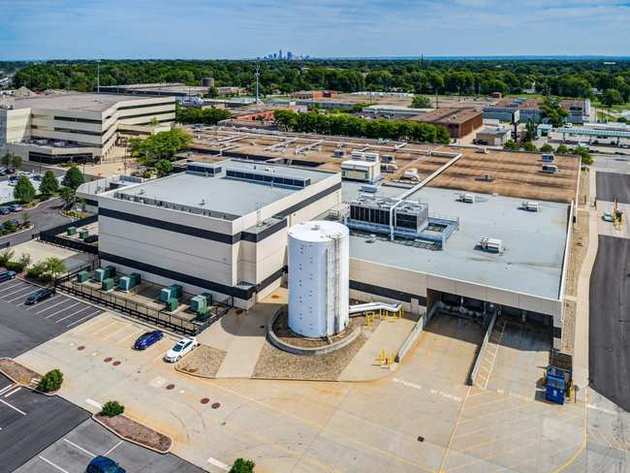
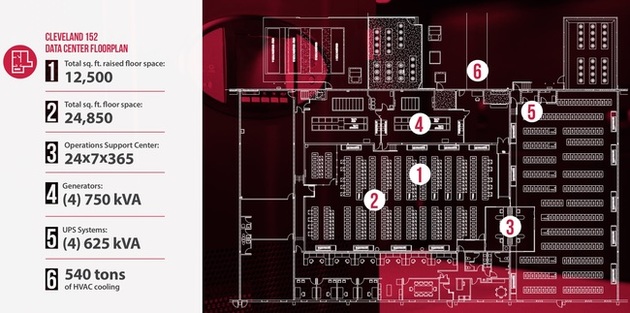
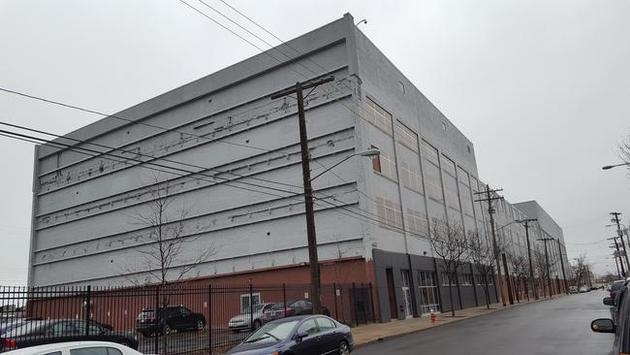
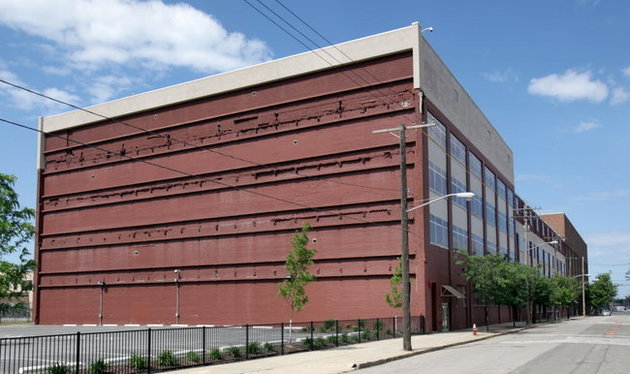
Baxtel counts 23 data centers across the Cleveland market totaling 26 MW and 901,065 sq ft, the largest being H5 Data Centers' Cleveland Technology Center at 4 MW, against 174 facilities with 50 under construction in Columbus and 266 across Ohio.
The city owns its water and electric utilities, Cleveland Water and Cleveland Public Power, though industrial users can also tie into FirstEnergy's grid. Those systems, not the planning code, decide how much load Cleveland can absorb.
The pause costs the city little today. Its market is small, and Ohio's buildout is concentrating in Columbus and in the hyperscale campuses Amazon and Google have planted well outside city limits.
Moratoriums are no longer statehouse business. They are being written city by city, by councils that control water mains and distribution circuits. Cleveland has given itself until the end of January to produce an ordinance. If it misses that deadline, another extension is the likely outcome, and developers with Cleveland on their shortlist will look south.
Related on Baxtel