Overview
South Texas runs from Victoria and Corpus Christi on the Gulf Coast to Laredo, Eagle Pass and the Rio Grande Valley on the Mexican border. For two decades its data centers were small telecom buildings that carried internet traffic between the United States and Mexico. Since 2023 it has become one of the busiest frontiers for large AI and bitcoin mining campuses in Texas. The draw is power: coastal wind farms, Eagle Ford natural gas and open land with room for new substations.
History
The region's first data centers were telecom sites. AT&T's downtown Corpus Christi office has carried phone traffic since 1938. In 1998, CarrierCom opened colocation in McAllen's Chase Tower, which became the city's carrier hotel. Around 2000, Williams Communications built small long-haul fiber nodes in Corpus Christi, Harlingen, Laredo and McAllen, and they now belong to Lumen.
Cross-border colocation grew from there. MDC Data Centers opened a suite in the Chase Tower in 2011. MDC then built its own facilities in Laredo in 2018, McAllen in 2020 and Eagle Pass in 2023. In December 2022, 1547 Critical Systems Realty and Harrison Street bought the Chase Tower and CarrierCom.
Large-scale computing arrived with bitcoin miners. Bootstrap Energy assembled the Saxet Energy Park on McKinzie Road in Corpus Christi and built a mining facility there. Peak Mining, then a Northern Data subsidiary, bought it in December 2023. Northern Data sold Peak Mining to a group led by Tether executives in November 2025. In 2026 the first AI campuses broke ground, and Soluna finished a wind-powered bitcoin hosting site in Willacy County.
The Market Today
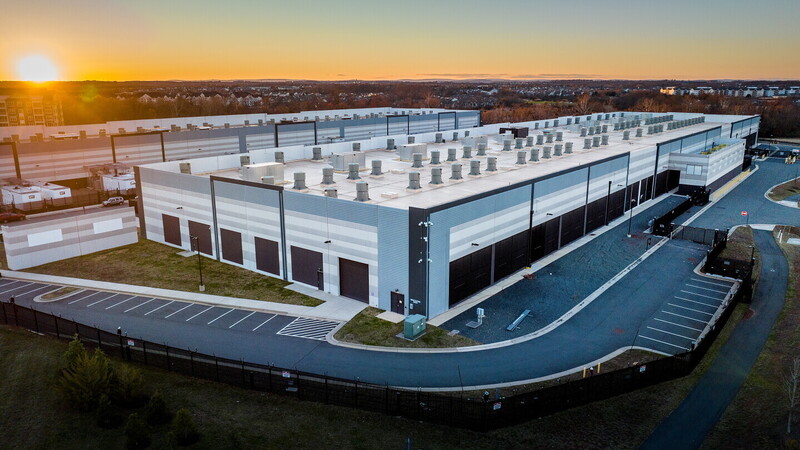
Corpus Christi and the Coastal Bend hold the region's largest AI project. Hut 8 is building the Beacon Point campus near Robstown, and one investment-grade tenant has leased both phases for 15 years. Downtown Corpus Christi has an edge data center from Duos Edge AI, a Lumen node and AT&T's main switching office. Cormint is developing a data center site near Orange Grove, and Atticus Power plans an off-grid site in Bee County.
The Rio Grande Valley centers on McAllen's carrier cluster. The Chase Tower hosts more than 45 carriers and the MCT-IX exchange, and 1547 is adding an annex next door. MDC's McAllen facility hosts the MEX-IX exchange and most cross-border fiber crossings. In Willacy County, Soluna runs its Kati bitcoin hosting site and is building an AI campus beside it. SpaceX is developing a large data center at Starbase near the Port of Brownsville.
Laredo and the brush country form the main crossing for traffic to Monterrey. MDC, the Laredo VTX carrier hotel and local provider Autophone serve the city, and MDC also runs a site in Eagle Pass. Along the Interstate 35 corridor toward San Antonio, Cipher Digital is building a substation for an AI site near Cotulla. Related Digital and NextEra announced Project Star near Encinal, a data center campus beside a 6.47 GW gas plant.
Advantages
-
Cheap power. Coastal wind farms and Eagle Ford natural gas keep power costs low. The region sits in the Electric Reliability Council of Texas (ERCOT) market.
-
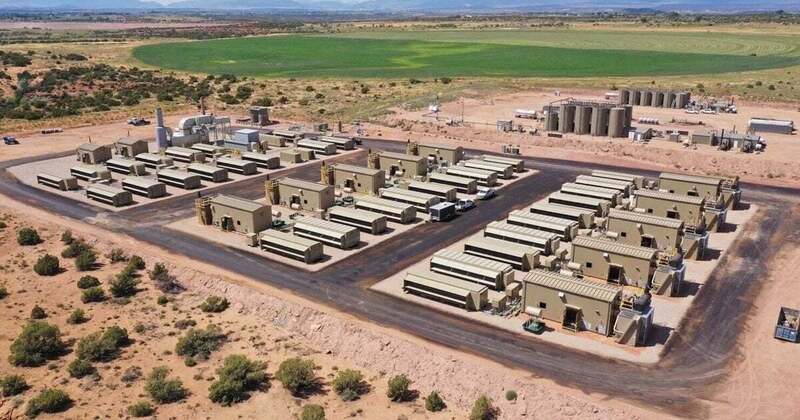
Behind-the-meter options. Wind farms, gas fields and new generation let campuses take power on site and rely less on the grid.
-
Cross-border fiber. McAllen, Laredo and Eagle Pass carry most of the internet traffic between the United States and Mexico.
-
Land. Large rural tracts are available near transmission lines, and many counties outside city limits have no zoning.
-
Tax treatment. Texas exempts qualifying data centers from state sales tax on equipment and electricity.
Challenges
-
Water. Corpus Christi faces a drought and emergency water supply planning, and residents question data center water use.
-
Weather. Hurricanes and coastal flooding threaten sites near the Gulf.
-
Permits on hold. In September 2026 the governor halted state environmental permits for data centers until an audit of ERCOT's large-load queue ends.
-
Local pushback. Brownsville and Harlingen passed temporary moratoria in 2026, and Cameron County opposes open-loop cooling.
-
Thin rural networks. Many rural sites sit on a single fiber route and a single substation, which limits redundancy.
Trends
-
From mining to AI. Bitcoin developers such as Soluna and Cipher Digital are turning their South Texas sites toward AI, and AI tenants now sign long leases.
-
Bring-your-own power. Developers are pairing campuses with gas plants, fuel cells, wind farms and, near Victoria, a planned Blue Energy nuclear plant for Crusoe.
-
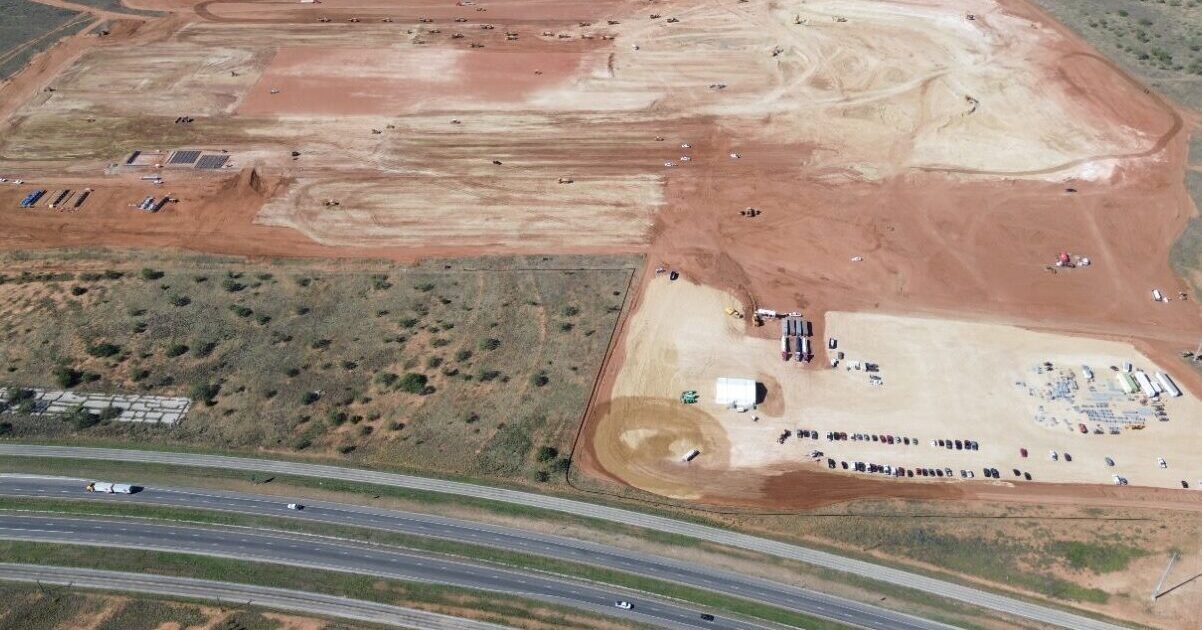
Gigawatt campuses. Fluidstack broke ground near Rio Hondo in September 2026, one of several gigawatt-scale plans in the region.
-
Political risk. Governor-elect Gina Hinojosa called for a data center moratorium until lawmakers pass new protections.
Power and Policy
ERCOT runs the grid and the Public Utility Commission of Texas (PUCT) regulates it. AEP Texas delivers power across most of the region, alongside cooperatives such as Nueces Electric Cooperative and Magic Valley Electric Cooperative. Senate Bill 6 (2025) set new rules for loads of 75 MW or more, and the PUCT's large-load rule took effect in October 2026. In August 2026 the governor ordered the PUCT and ERCOT to audit data centers in the interconnection queue. The ERCOT report is due in December 2026.