to deploy up to one million orbital co...](https://cdn.baxtel.com/data-center/fcc-approves-spacex-starmind-plan-for-one-million-orbital-data-centers/logo/large_fcc-approves-spacex-starmind-plan-for-one-million-orbital-data-centers-featured(2).jpg)

The Federal Communications Commission has approved SpaceX's application to deploy up to one million orbital compute modules for its Starmind data center constellation. The agency announced the authorization on November 25 and says it is the first time it has licensed a constellation of data centers in space.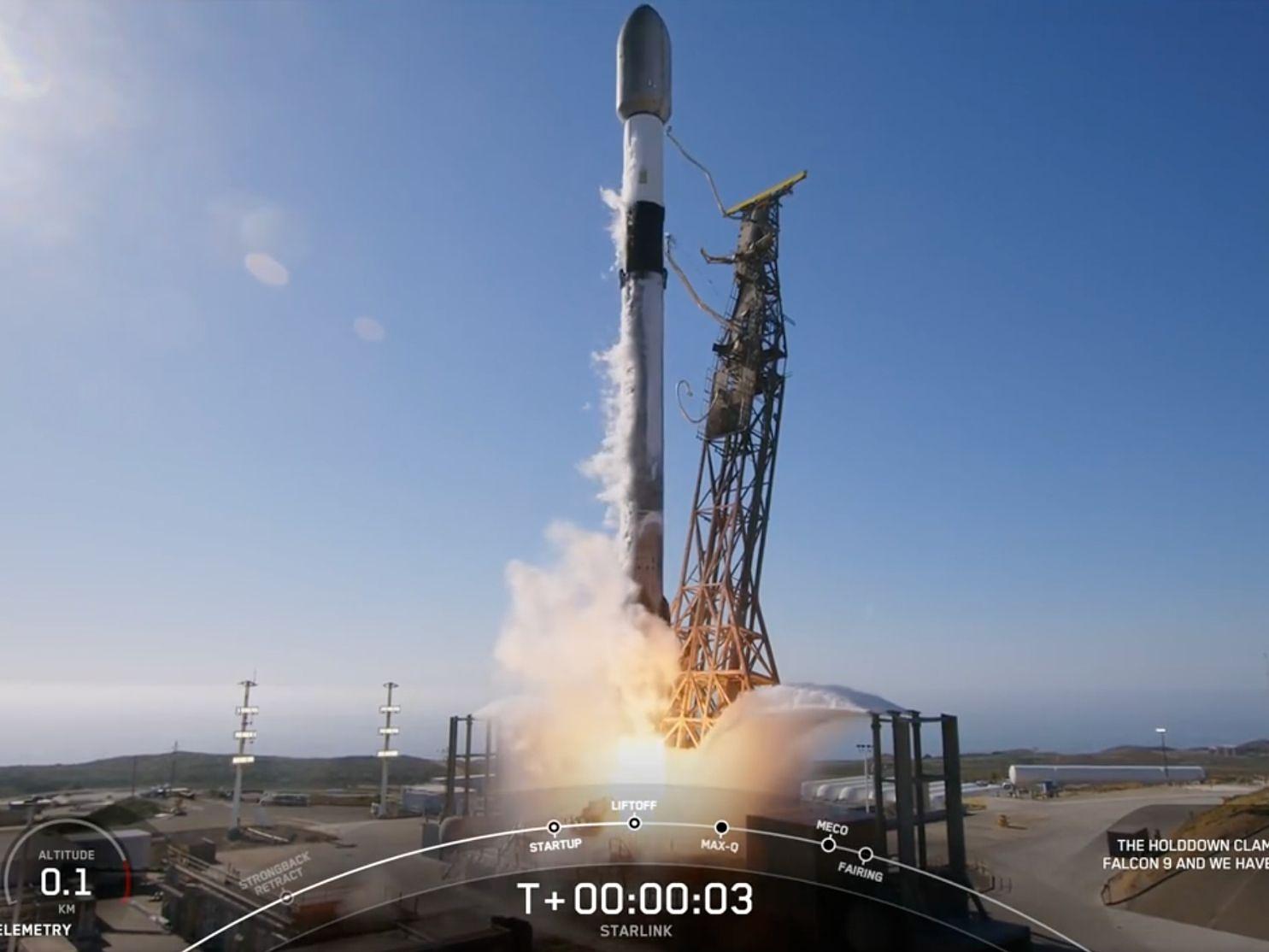 Featured: Wide photograph of a SpaceX Falcon 9 rocket ascending during a night satellite deployment mission.v
The order covers Space Exploration Holdings, LLC, the SpaceX subsidiary that sought launch and operating authority for the system. SpaceX filed the application in January and asked to run solar-powered satellites that process data in orbit, Reuters reported. The FCC said the spacecraft would harness near-constant solar power.
The license sets a deployment schedule. SpaceX must begin launching Starmind no later than November 2033, reach 100,000 modules by November 2035, and place half of the one-million-module constellation by November 2038, according to Data Center Dynamics. The satellites would operate in low Earth orbit at altitudes between 500 and 2,000 kilometers. Backup and emergency telemetry, tracking and command would run over radio frequency links, supplementing optical inter-satellite links with radio frequency in the 18.8 to 19.3 GHz downlink and 28.6 to 29.1 GHz uplink bands.
"Compute campuses or data centers are essential to sustaining America's leadership in SI (Super Intelligence)," said Brendan Carr, chairman of the FCC. Carr also said the decision "opens a bold new frontier," according to PBS News. SpaceX chief executive Elon Musk replied on X: "Much appreciated. This will be a great asset to America and the world."
The approval drew opposition. CNBC reported that the FCC's filing listed petitions to deny from Kuiper Systems LLC (Amazon Leo), Viasat Inc. and the American Astronomical Society. The AAS said it was "disheartened and dismayed," arguing the satellites would be brighter and more numerous than earlier spacecraft. Jan Hasselman, a senior attorney at Earthjustice, criticized the agency for deciding the case in a holiday week without an environmental review under the National Environmental Policy Act. The FCC dismissed comments on topics outside its authority, including environmental concerns and optical astronomy.
SpaceX is not alone in the orbital compute race. Blue Origin petitioned the FCC in March for up to 51,600 satellites under Project Sunrise, and Google has described its Project Suncatcher as a plan to put AI in space.
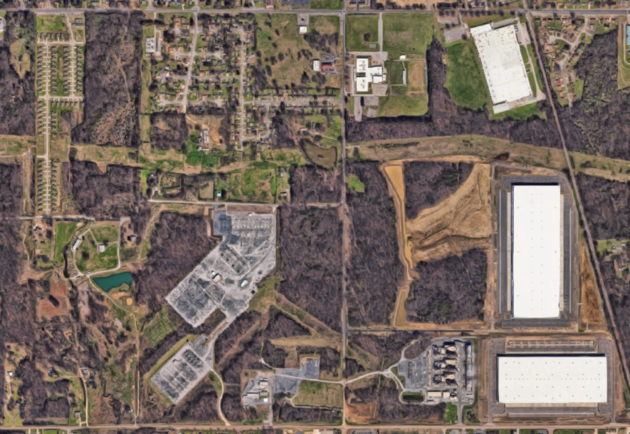
Baxtel lists nine SpaceX data center sites in the United States, led by the 650 MW Macrohard campus and the 300 MW Colossus 1 site, both in Memphis. SpaceX has said the first Starmind AI1 satellite, built around Nvidia's Vera Rubin NVL72 platform, is targeted for launch in the fourth quarter of 2027.
Related on Baxtel