data center site beside the Nashville Zoo. The vote...](https://cdn.baxtel.com/data-center/nashville-authorizes-eminent-domain-for-dc-blox-site-near-zoo/logo/nashville-authorizes-eminent-domain-for-dc-blox-site-near-zoo-featured.png)

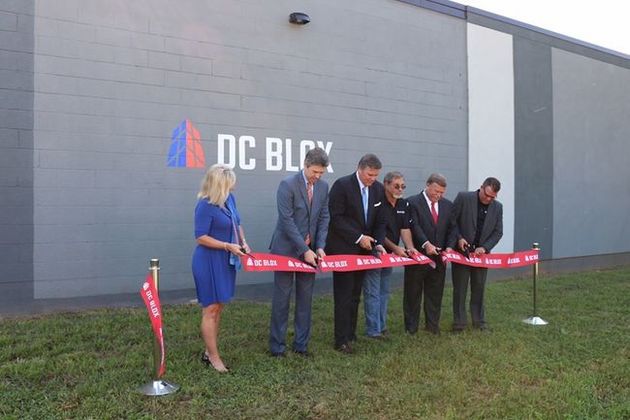
Nashville's Metro Council voted 27 to 5 on August 4 to authorize the acquisition of a proposed DC BLOX data center site beside the Nashville Zoo. The vote allows Metro Nashville to negotiate for the 23.49-acre DC BLOX Nashville Campus or pursue eminent domain if the parties cannot agree.
The action does not immediately transfer the property to the city. It begins a potentially lengthy and expensive process that could include a court challenge over whether the taking serves a genuine public purpose.
The Grassmere proposal
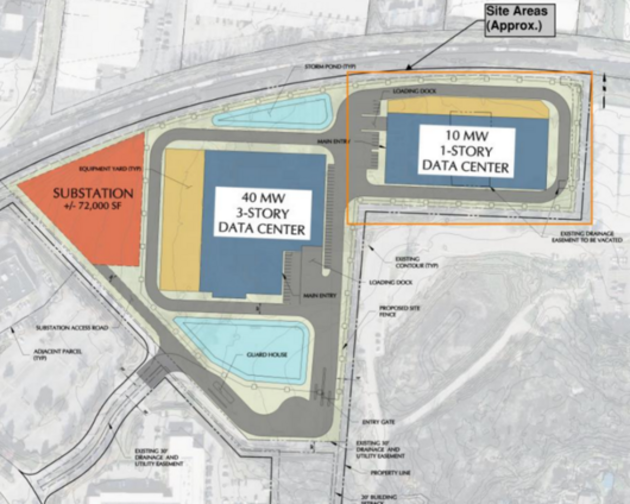
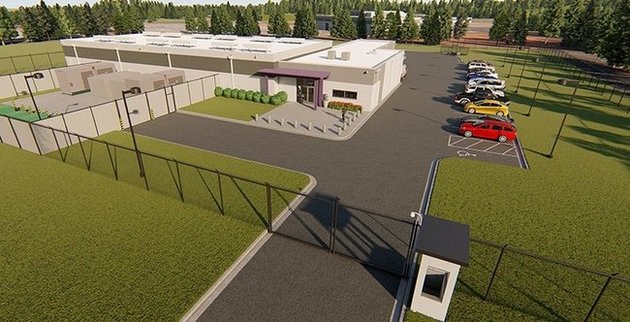
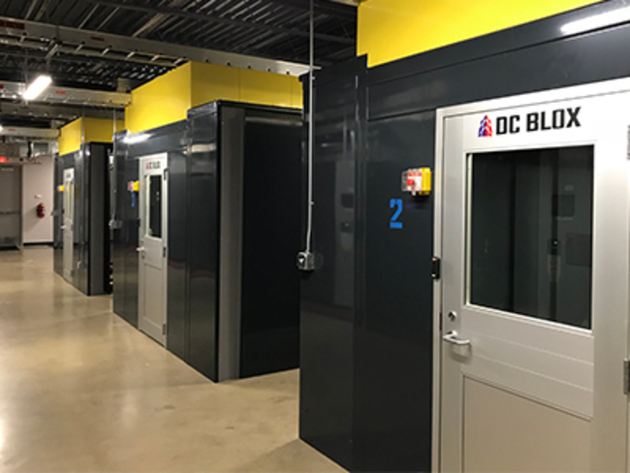
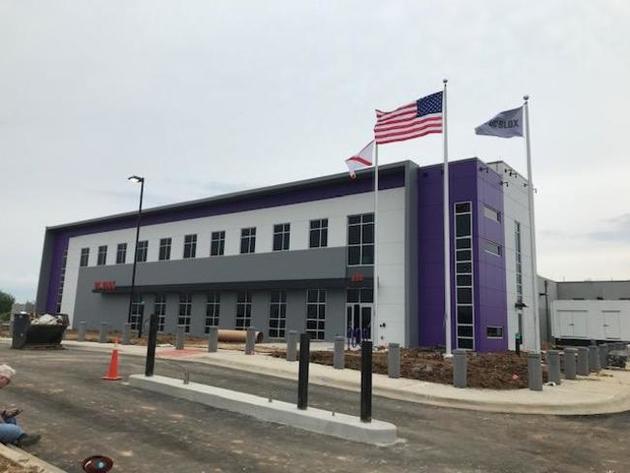
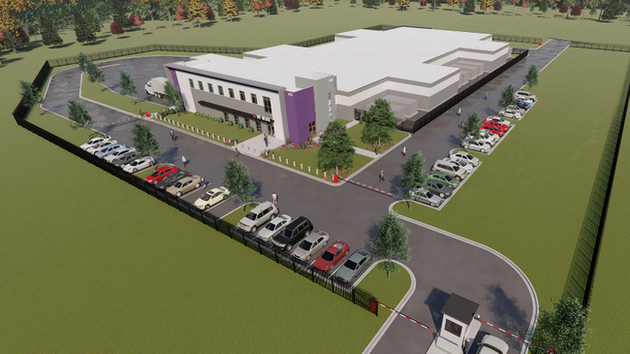
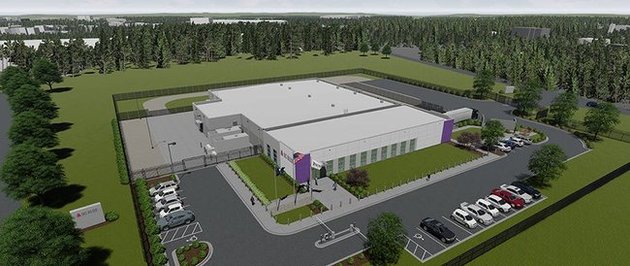
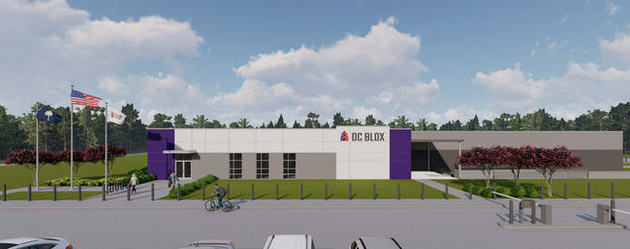
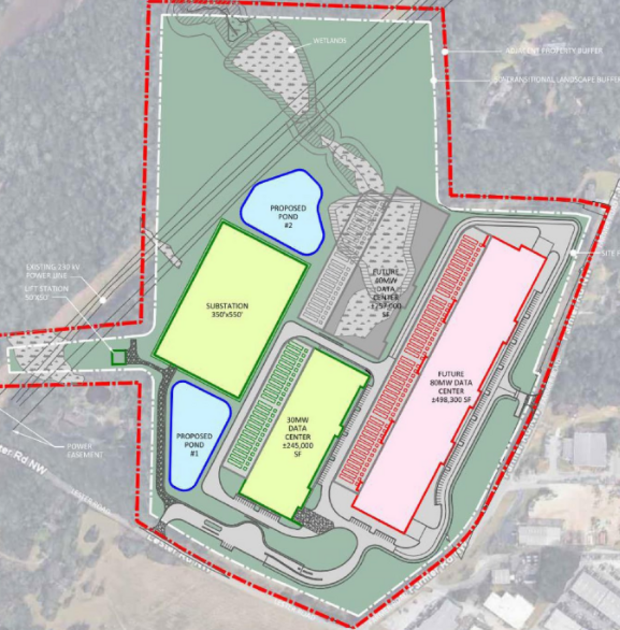
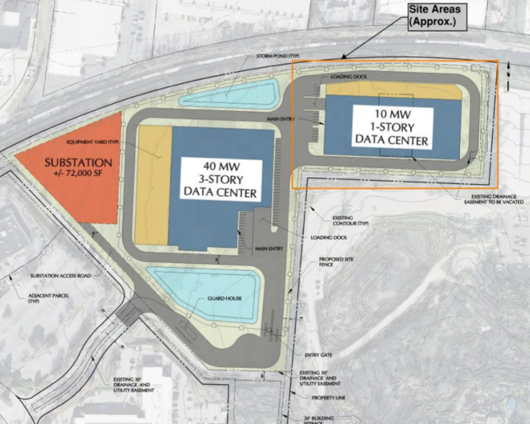
DC BLOX's current public proposal calls for a single-story, 69,200-square-foot data center with 10 megawatts of capacity at 648 Grassmere Park. The company says it would limit sound to 65 dB(A) at the property line and use closed-loop cooling.
The property contains two office buildings and previously served as Asurion's corporate headquarters. DC BLOX says a portion of one building already houses a data center, but no public information establishes its capacity or identifies it as a standalone commercial facility.
The most accurate description is therefore a former corporate office campus containing some existing data center functions, not an established commercial data center campus. The proposed 10 MW facility would represent a materially different scale and use.
Zoo officials and nearby residents have raised concerns about equipment noise, lighting, generator emissions and potential effects on animals. DC BLOX disputes that the project would create significant impacts and has proposed walls, landscaping and operational limits intended to address those concerns.
Why zoning did not stop the project
Nashville adopted its first data center-specific zoning standards only after the Grassmere proposal entered permitting. The city's previous code did not distinguish between a small server room and a purpose-built data center campus.
Metro's zoning administrator initially classified the project as general office use and later amended that classification to warehouse with incidental office space. Both uses were permitted in the property's Industrial Warehouse District.
The council subsequently approved stricter data center standards and a temporary permitting moratorium. However, the zoning administrator concluded that the Grassmere applications are protected by Tennessee's vested-rights law, which generally requires applications to be reviewed under the rules in effect when they were filed.
That left Nashville with limited options for stopping this particular project. The condemnation ordinance says Metro needs the property for offices, warehouses, training and other departmental uses, particularly as the city prepares to close its Southeast office complex. The city's agenda analysis valued the Grassmere property at $37.4 million, although a new appraisal would determine compensation.
A rare and legally risky tactic
Using eminent domain for roads, utilities, public buildings and other infrastructure is routine. Using it to prevent a specific, otherwise permissible private development is rare.
Such actions can be vulnerable if a court determines the stated public use is a pretext. In 2024, a Massachusetts court invalidated an eminent-domain action after finding that the Town of Nahant's dominant purpose was stopping Northeastern University's proposed expansion rather than preserving land for conservation.
Nashville has identified concrete municipal uses for the Grassmere property, which distinguishes its case. The timing and public statements connecting the acquisition to opposition against the data center could nevertheless become central issues if DC BLOX challenges the taking.
Baxtel context
Baxtel currently classifies the Nashville project as "In Doubt" and tracks two potential phases totaling 50 MW, although DC BLOX's current public materials describe only the initial 10 MW building.
The Nashville data center market contains 21 tracked facilities totaling approximately 166 MW. A 10 MW project would equal about 6 percent of that installed and planned capacity. A 50 MW buildout would equal roughly 30 percent.
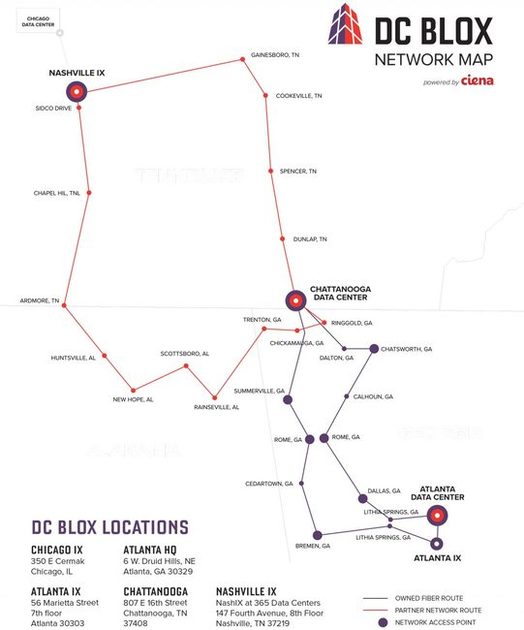
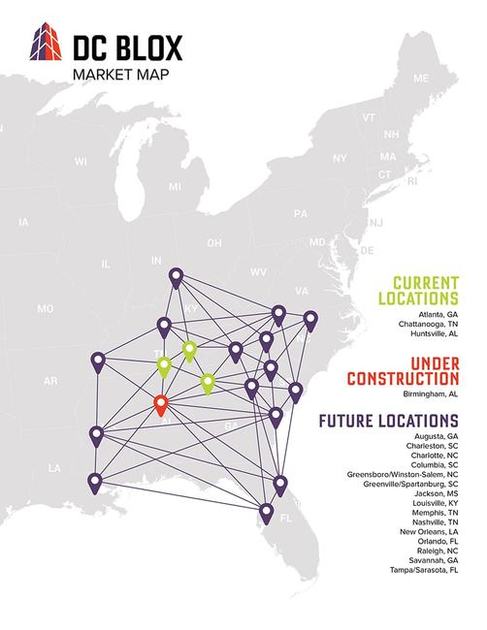
The project would also extend DC BLOX's Tennessee footprint beyond its operational Chattanooga facility. The operator has continued expanding across the Southeast, supported by transactions including a $240 million financing completed in January.
Why it matters
Nashville's action is not a conventional data center restriction. It is a rare attempt to use eminent domain as a last resort after a project may already have secured development rights.
The lasting lesson for cities is that data center rules must be established before applications arrive. Once rights vest, retroactive zoning becomes difficult, leaving governments to choose among negotiation, costly condemnation and litigation.