and Constellation Energy have signed a 20-year power purchase agreement to fund a 190MW uprate at the Calvert Cliffs Clean Energy Center in Lusb...](https://cdn.baxtel.com/data-center/amazon-constellation-sign-20-year-ppa-for-190mw-calvert-cliffs-uprate/logo/amazon-constellation-sign-20-year-ppa-for-190mw-calvert-cliffs-uprate-featured.jpg)

Amazon and Constellation Energy have signed a 20-year power purchase agreement to fund a 190MW uprate at the Calvert Cliffs Clean Energy Center in Lusby, Maryland, the companiesOfficial Constellation hero banner photograph showing the Calvert Cliffs nuclear station along the Chesapeake Bay. said in a joint announcement on Sept. 30.
The deal covers 690MW of power, including the 190MW of new emissions-free capacity expected online between 2030 and 2032. Constellation said it anchors more than $3 billion in Maryland infrastructure investment across the 1,790MW site, the state's only nuclear plant and its largest source of clean power. A related retail supply agreement covers Amazon operations in the 13-state PJM market.
Every electron stays on the grid.
Constellation said all output from Calvert Cliffs will keep flowing to PJM as it does today, a front-of-meter structure that lets a hyperscaler pay for new generation without pulling it off the regional system. Amazon's commitment gives Constellation the revenue certainty to pursue a 20-year license renewal and to weigh new clean generation at the site, including advanced nuclear.
"This agreement demonstrates how private investment can strengthen critical energy infrastructure," said Joe Dominguez, chairman, president and chief executive officer at Constellation. "Amazon is committed to investing in carbon-free energy to strengthen the grid and benefit the communities where we operate," said Kerry Person, vice president of AWS Global Operations and Data Center Delivery.
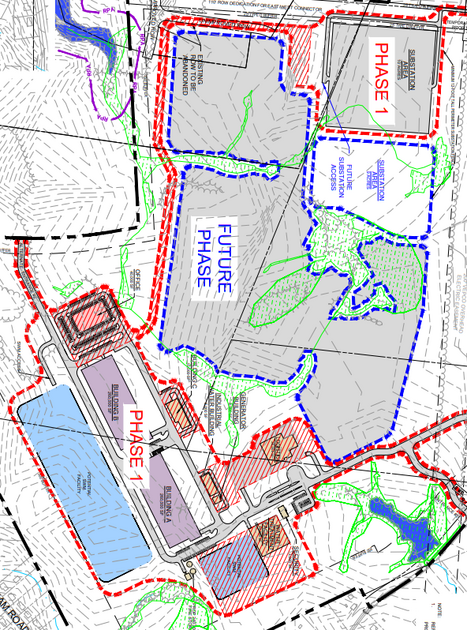
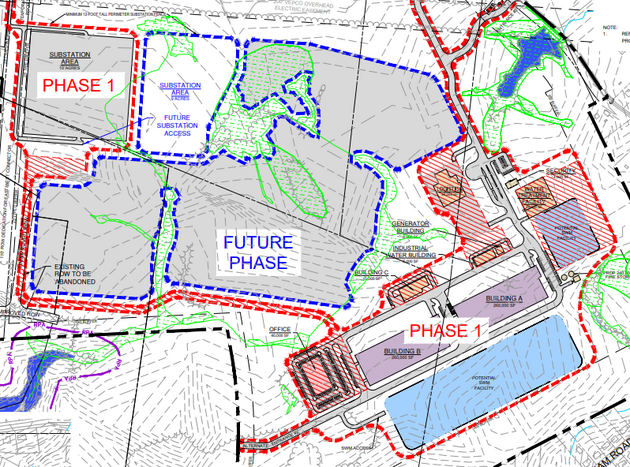
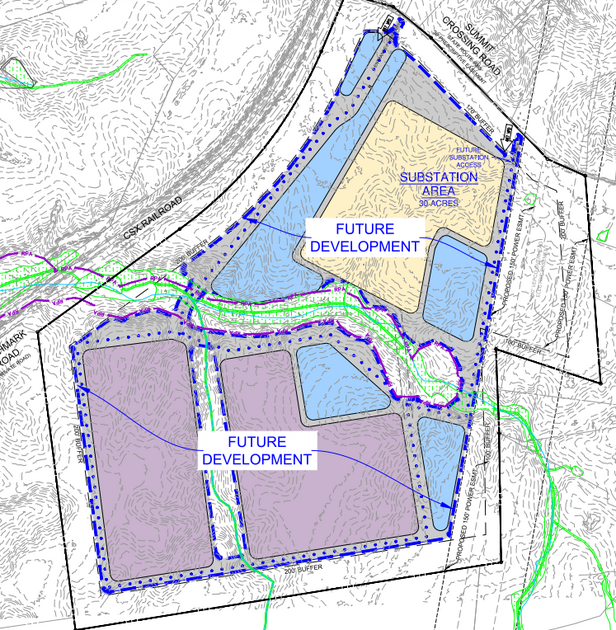
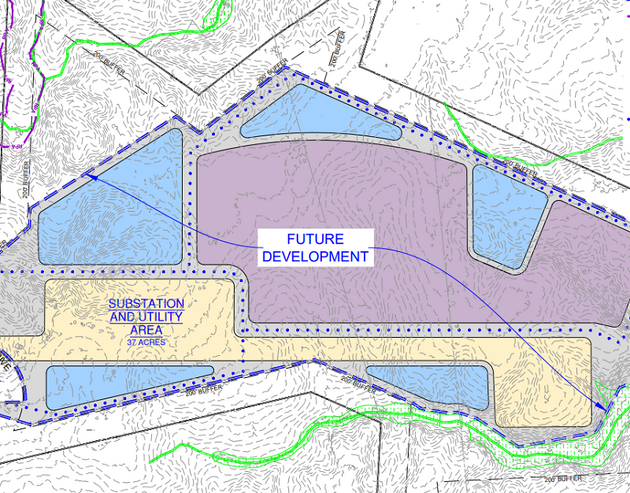
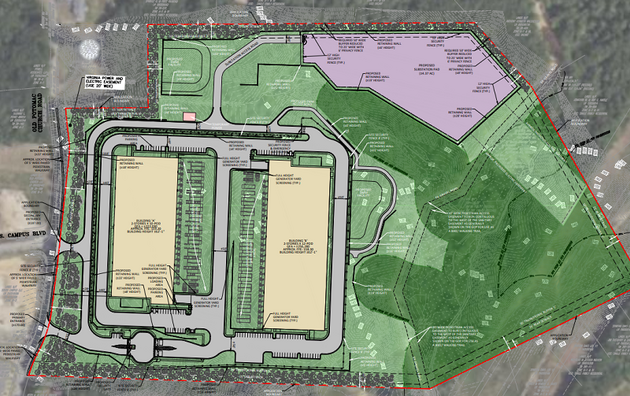
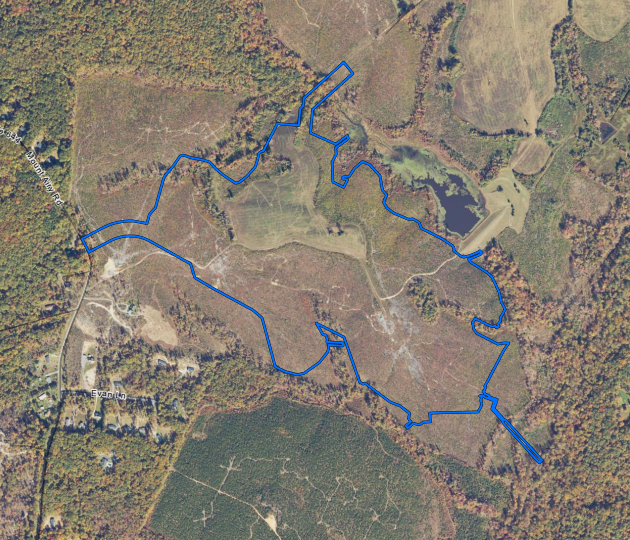
The agreement lands two months after AWS abandoned plans for seven data center buildings on roughly 2,000 acres at Calvert Cliffs following resident opposition, as Maryland Matters reported. Baxtel lists the dropped campus as the withdrawn Amazon: Lusby, Maryland. Constellation is not yet listed on Baxtel.
Baxtel tracks 49 data centers in Maryland across 22 providers, with Rowan Digital Infrastructure the largest operator at 11 sites and AiNET One Market Center the largest facility at 50MW (Baxtel Maryland). Reuters reported the 690MW figure and the link to relicensing; the Baltimore Sun noted the uprate roughly equals all utility-scale wind and solar now operating in Maryland.
The shift matters more than the megawatts. Amazon could not build beside the plant, so it is buying the plant's growth instead. In a market where siting fights now decide timelines, financing an incumbent reactor's uprate is a faster route to firm, carbon-free capacity than waiting out a county zoning battle.
If the relicensing and the advanced-nuclear study advance, Calvert Cliffs becomes the test case for whether hyperscaler PPAs can carry existing nuclear into a second operating life, and whether regulators treat that as new generation or as a subsidy dressed up as a power contract.
Related on Baxtel