
Colorado's Front Range spent the spring slamming the brakes on data centers. Denver, Jefferson County, Boulder County, Larimer County, and the city of Longmont have all moved to pause or ban new development since May. Colorado Springs did the opposite. Its planning department quietly approved a roughly 50 MW AI data center at the former Intel chip fab near Garden of the Gods Road.
The moratoriums are spreading
Since May, five Front Range jurisdictions have moved to pause or ban new data centers:
- Denver — a one-year moratorium on new development, approved unanimously by City Council on May 18, 2026
- Jefferson County — a 10-month moratorium on new applications and rezonings, voted May 19, 2026
- Boulder County — a six-month moratorium on accepting new applications, voted in early June 2026
- Larimer County — a moratorium in effect through late August 2026
- Longmont — an outright ban on "hyperscale" data centers that draw more than 100 MW
The stated reasons are consistent across jurisdictions: water, wildfire, grid strain, and uncertainty about how fast the technology is moving.
"It's critical for us to evaluate how data centers will interact with the Wildland Urban Interface, our water supply, the environment and our community's overall health," said Rachel Zenzinger, a Jefferson County commissioner. "This moratorium is a necessary pause for us to gather that information."
At the state level, two data center bills failed during the 2026 legislative session, leaving the decisions to local governments.
Colorado Springs goes the other way
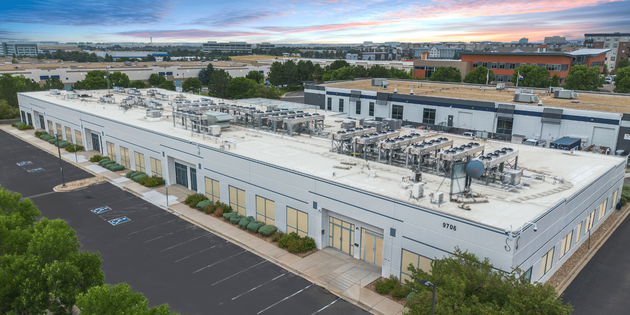
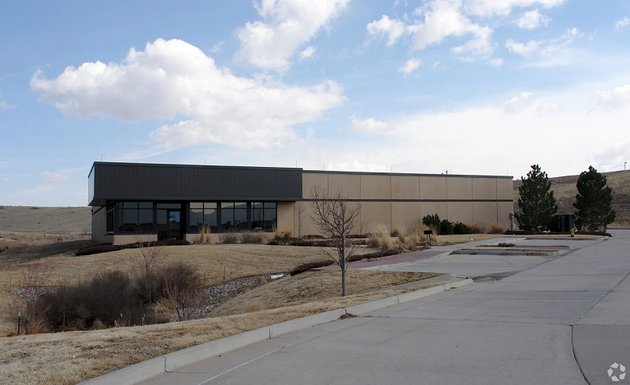
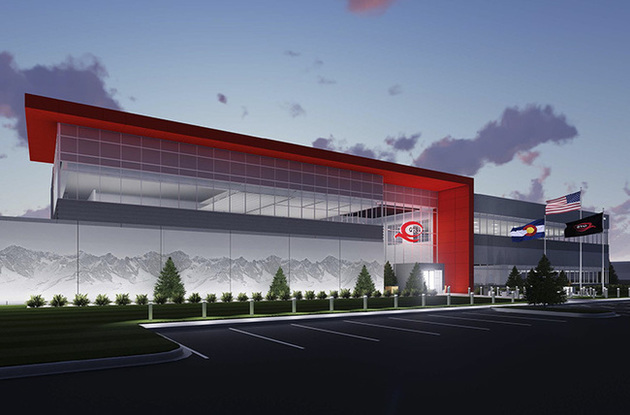
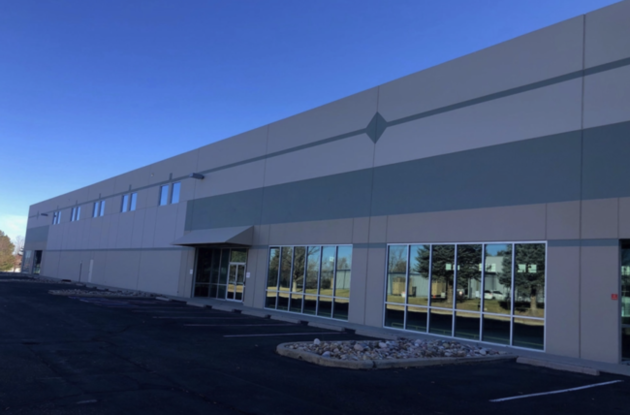
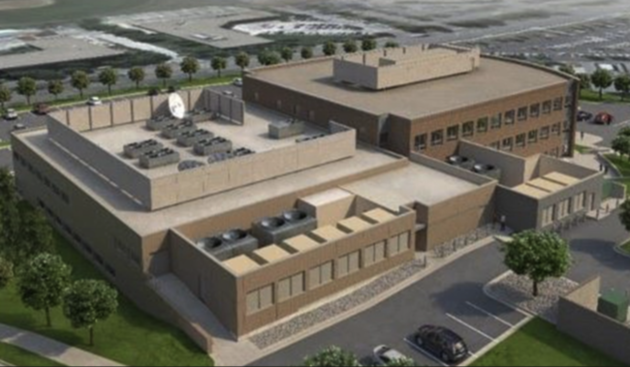
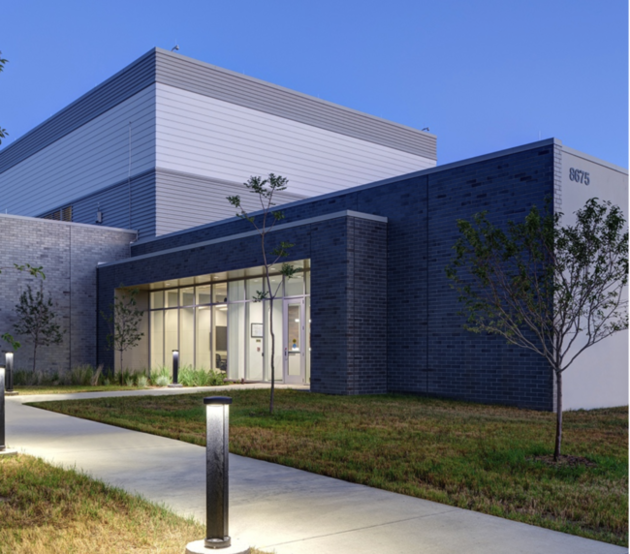
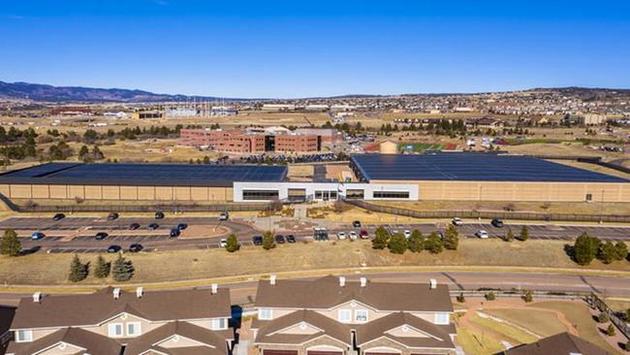
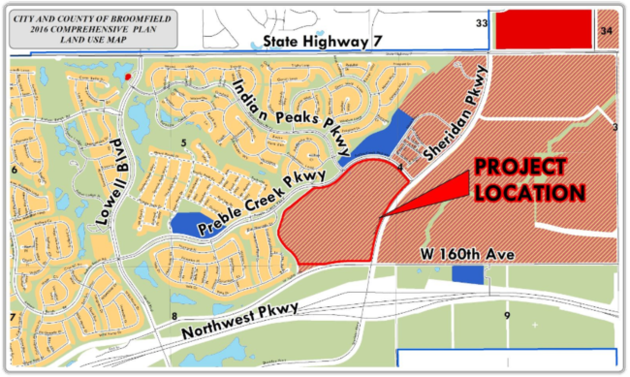
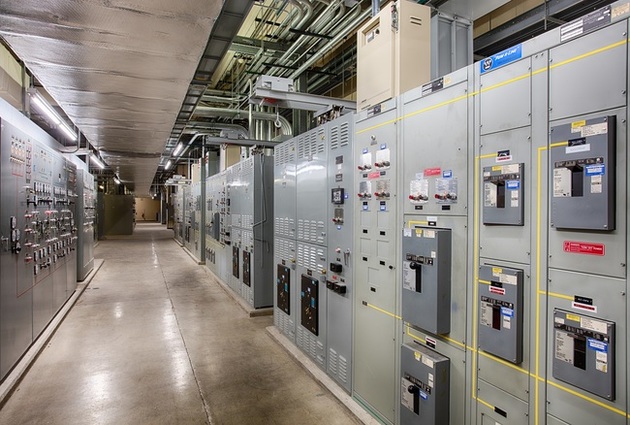
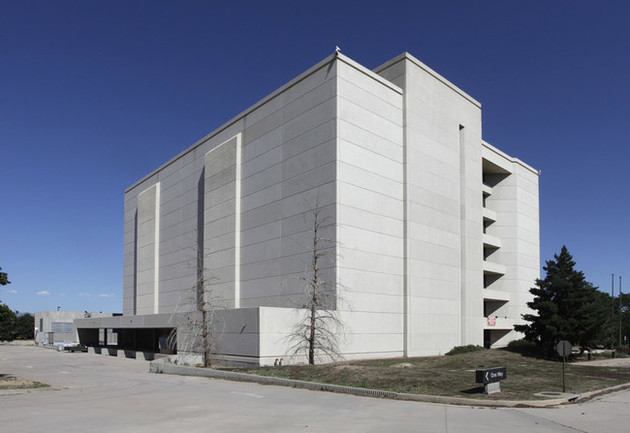
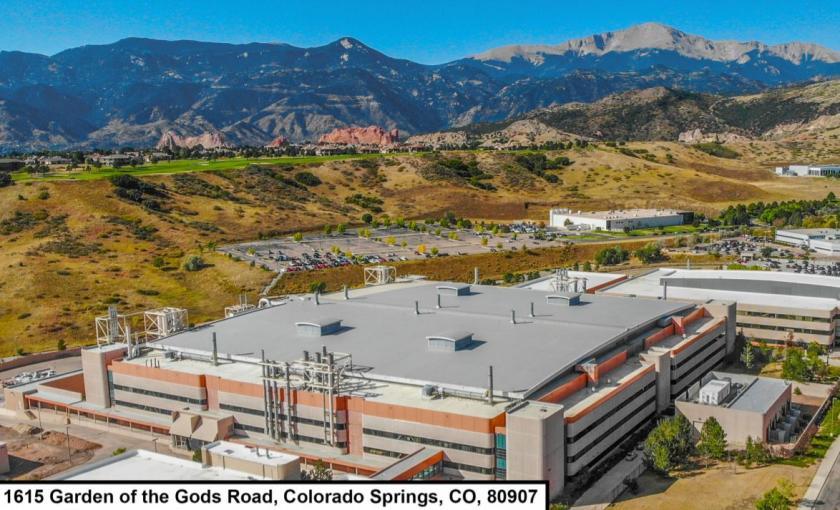
Project Taurus, proposed by California-based Raeden, would convert a former Intel chip manufacturing plant into an AI data center of roughly 50 MW. The Colorado Springs planning department approved a development plan modification on June 11, and residents within three miles had until June 22 to appeal. As of mid-June, no appeals had been filed.
Reusing a fab matters. The building, power allocation, and fiber are already in place, which is why the project cleared administrative approval rather than a drawn-out rezoning. According to DatacenterDynamics, the existing structure runs about 451,000 square feet on a 22-acre site.
The plan has drawn local opposition over its proximity to residential neighborhoods, and city leadership has stayed quiet on the specifics.
Why the water question cuts differently here
The moratorium wave is, at its core, about water and power. That is where Colorado Springs has a structural edge.
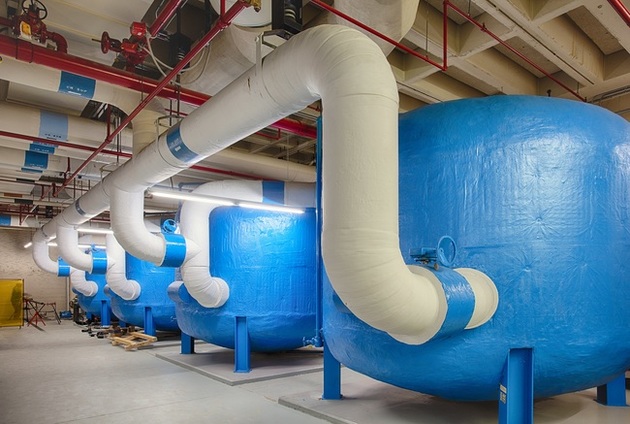
Raeden says Project Taurus will use a closed-loop cooling system that consumes zero water daily to cool the facility, with a one-time fill measured in the low hundreds of thousands of gallons. Whether or not every figure holds up, the design speaks directly to the concern driving moratoriums to the north.
The location helps too. Colorado Springs is served by Colorado Springs Utilities, a municipally owned provider that controls its own rates and load decisions, and the metro's dry, cool climate delivers more than 8,000 hours of free cooling a year. Both ease the water and grid pressure that Front Range counties are now pausing to study.

What Baxtel is tracking
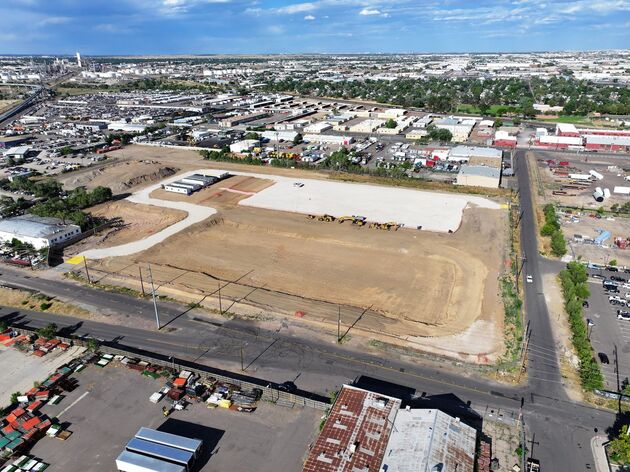
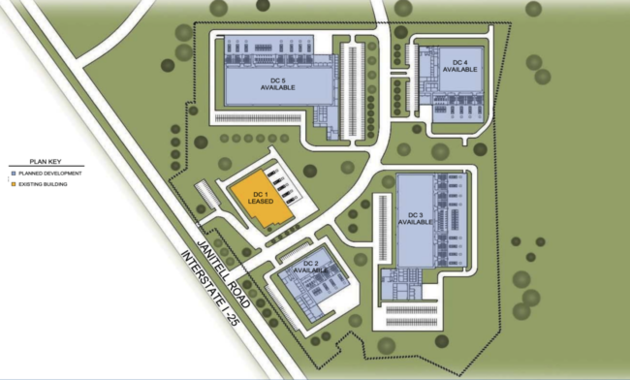
Baxtel tracks 13 data center sites across the Colorado Springs metro, including operational facilities from T5, QTS, and HP, alongside 67 sites in the Denver market where much of the new pipeline now sits frozen. Planned and under-construction capacity across Colorado runs into the hundreds of megawatts, a large share of it in the jurisdictions that just hit pause.
Why it matters
The moratoriums are not a referendum on AI infrastructure. They are a referendum on water and grid strain in fast-growing metros, and Colorado is now a live test of which markets absorb load and which defer it. Colorado Springs, with a municipal utility, a cool climate, and a powered building ready to reuse, just made the case that the right site can move while neighbors wait. Expect developers to read the map accordingly.