Data Center Campus
Microsoft: Des Moines Campus (Project Osmium)


Campus at a Glance
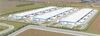
The SW Kerry Street site, also known as Project Osmium, was announced in 2016 and will span 1.7 million sq ft (158,000 sq m) of land once fully built out.
- The company was granted permission for the third of five planned buildings on the site in 2021.
- In December 2022, Microsoft was issued a permit valued at $255 million for the fourth building.
- A permit, valued at $345 million, was issued in 2023 for a 250,000-square-foot facility. This center is the last one planned for the complex at 5855 S.W. Kerry St.
- As of 2024, Microsoft has completed four buildings, with construction of the fifth and final building about to begin.
Buildings
Sites on this Campus
| Site | Operator | Status | Operational | Building Size | Built |
|---|---|---|---|---|---|
| Core CampusInterested in this information?Contact us | Microsoft Azure |
Operational
|
░░░░ Request Dataset MW | ░░░░░░░ Request Dataset SqFt | 2020 |
| Center GammaInterested in this information?Contact us | Microsoft Azure |
Operational
|
░░░░ Request Dataset MW | ░░░░░░░ Request Dataset SqFt | 2021 |
| EdgeInterested in this information?Contact us | Microsoft Azure |
Operational
|
░░░░ Request Dataset MW | ░░░░░░░ Request Dataset SqFt | 2023 |
| OneInterested in this information?Contact us | Microsoft Azure |
Operational
|
░░░░ Request Dataset MW | ░░░░░░░ Request Dataset SqFt | 2024 |
| Center AlphaInterested in this information?Contact us | Microsoft Azure |
Operational
|
░░░░ Request Dataset MW | ░░░░░░░ Request Dataset SqFt | 2025 |
Map and Nearby Locations
Microsoft: Des Moines Campus (Project Osmium) Power Growth Over Time
Campus Photos
Developer
Microsoft uses Containers (called ITPACs) to build out its data centers. These Containers are Shipping Containers fitted with all the necessary climate control, networking, server racks and other hardware necessary to be a “mini” data center all in one.
Azure Regions
An Azure region is a set of data centers deployed within a latency-defined perimeter and connected through a dedicated regional low-latency network.
With more global regions than any other cloud provider, Azure gives customers the flexibility to deploy applications where they need to. Azure is generally available in 46 regions around the world, with plans announced for 8 additional regions.
Geographies
An Azure geography is a discrete market, typically containing two or more regions, that preserves data residency and compliance boundaries.
Geographies allow customers with specific data-residency and compliance needs to keep their data and applications close. Geographies are fault-tolerant to withstand complete region failure through their connection to our dedicated high-capacity networking infrastructure.
Availability Zones
Availability Zones are physically separate locations within an Azure region. Each Availability Zone is made up of one or more data centers equipped with independent power, cooling, and networking.
Availability Zones allow customers to run mission-critical applications with high availability and low-latency replication.