Mar 30, 2026 | Posted by Abdul-Rahman Oladimeji
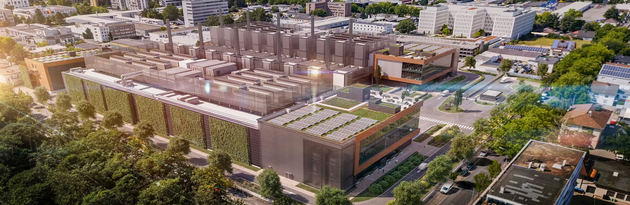
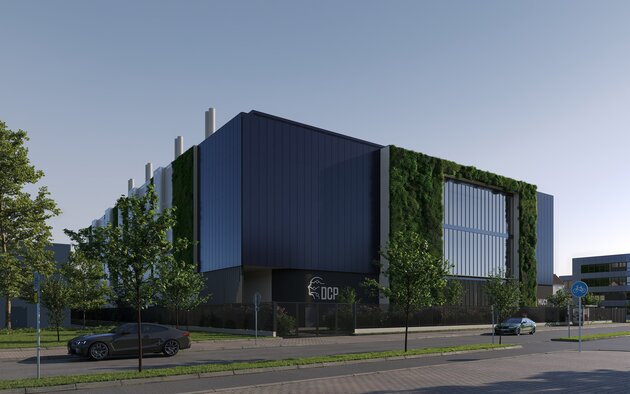
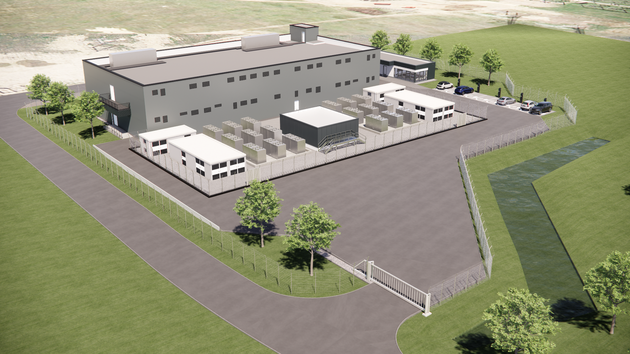
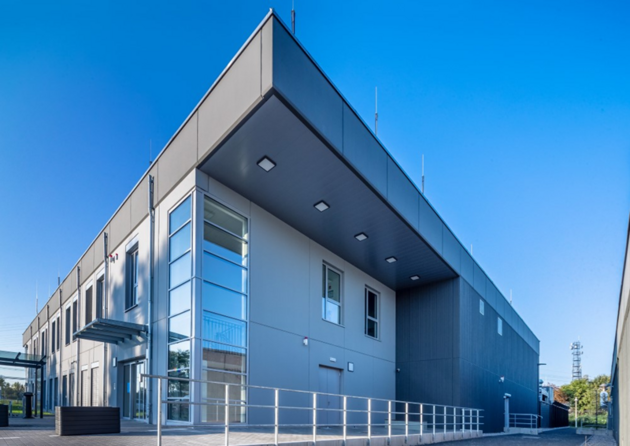
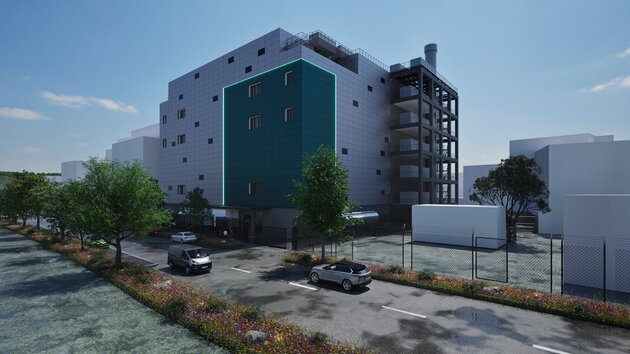
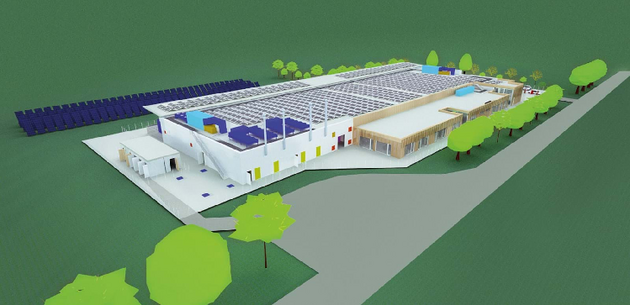
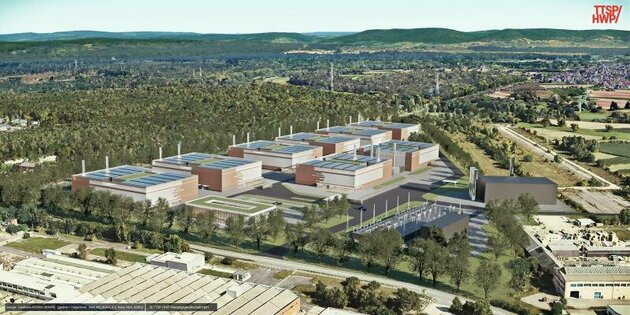
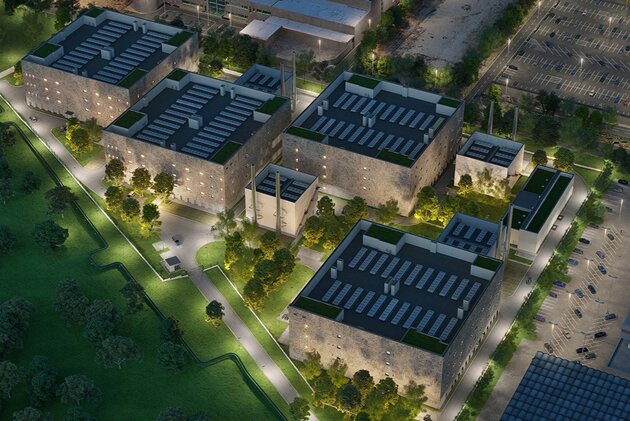
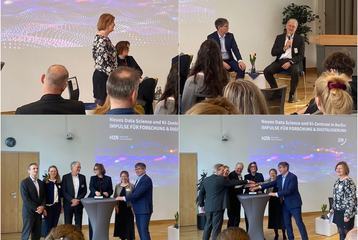
The Zuse Institute Berlin (ZIB) and Helmholtz-Zentrum Berlin (HZB) have partnered to build an AI and HPC data center in Berlin’s Adlershof area. Announced by Adlershof Technology Park on March 27, the facility will be developed in multiple phases to support high-performance computing and AI applications for research data processing.
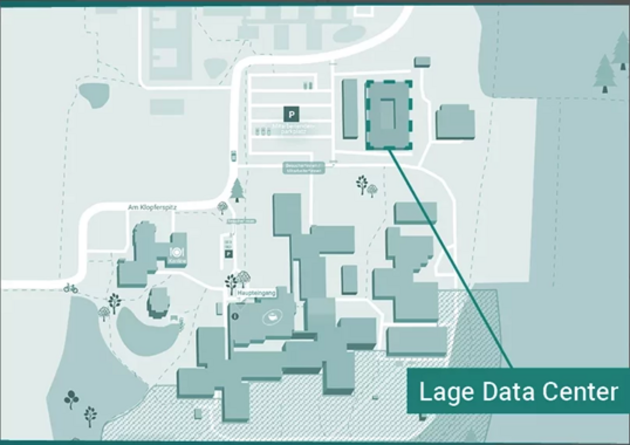
In the first phase, ZIB will consolidate its infrastructure in Berlin-Dahlem for operation on behalf of partners, while a new site with expanded hardware will be set up at HZB’s Berlin-Adlershof campus.The second phase sees "additional computing capacities" planned, but remain unspecified as this will depend on the "further needs of the scientific community."
Dr. Ina Czyborra, Berlin’s Senator for Science, Health, and Care, commented: “With this new data center, two strong partners are building the digital infrastructure that modern cutting-edge research requires. In fields like materials, health, and climate research, data processing is critical and increasingly important. The center addresses this demand while also enhancing the technological independence and resilience of our research hub.”
ZIB president Professor Christof Schütte said: “The new Data, Compute and AI Center is closely linked to the Zuse Institute Berlin’s vision of further developing modeling, AI, and high-performance computing as the foundation of modern science. Here, a collaborative infrastructure for data-intensive cutting-edge research is being established, one that relies on powerful, flexible, and secure operating models. It represents a strategic investment in Berlin’s scientific excellence."
Professor Bernd Rech, HZB’s scientific director, added: “Together with the ZIB, we are laying the foundations for the next generation of data-driven materials science. High-performance computing and AI-supported methods open up new avenues for predicting material properties and significantly accelerating innovation. The collaboration also strengthens the IT infrastructure at our BESSY II light source and paves the way for our planned successor source, BESSY III,” said.