
Introduction: A quiet building with a steady hum
From the road, a data center may look like a plain industrial building. Inside, however, computers run day and night, supported by fans, pumps, cooling equipment, and backup systems. Together, these machines create a steady background sound. It may be barely noticeable inside the facility, yet more apparent to people who live or work nearby.
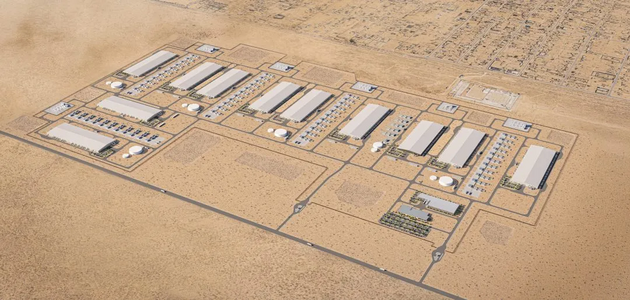
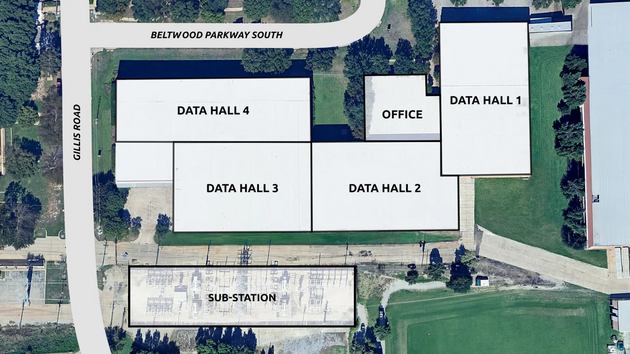
As data centers spread into new areas, noise has become part of the discussion about where they belong. Neighbors may hear low humming, a changing rush of air, or the sudden roar of equipment during testing. The sound can be more noticeable at night, wh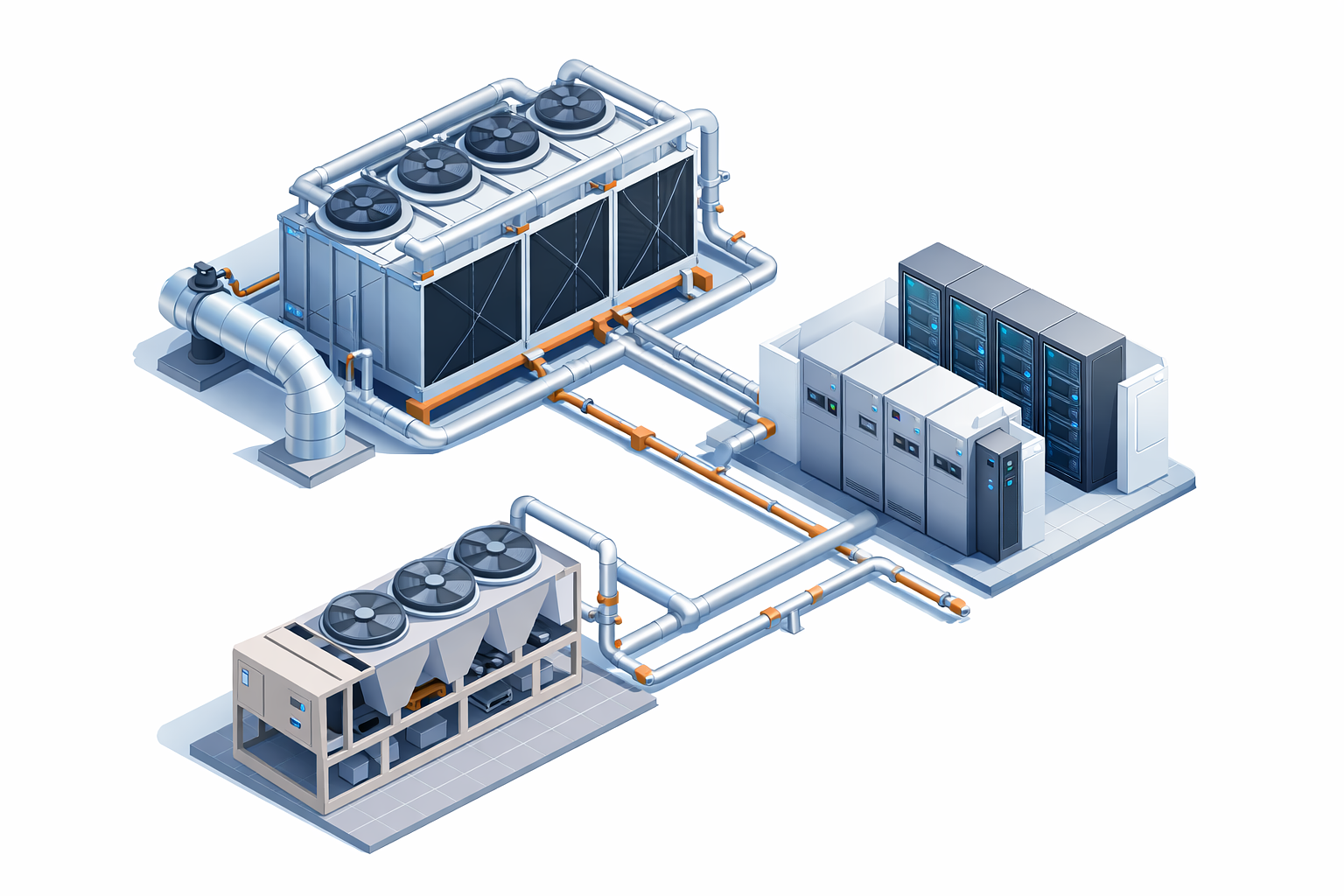 In-article: Graphic illustration representing data center mechanical cooling equipment, chiller noise, and vibration analysis.en traffic and other background noise fade. Even when a facility meets local rules, people may still find its noise disruptive.
The issue is not always simple to measure. Sound changes with distance, weather, terrain, building design, and the equipment running at a given time. A brief measurement may not capture a sound that rises and falls throughout the day. Nor does one number always reflect how people experience a persistent low hum in their homes.
At the same time, data centers need reliable cooling and backup power to keep digital services operating. Fans, chillers, pumps, and generators all serve practical purposes. Reducing noise therefore requires planning, careful equipment choices, and ongoing attention to the people living nearby.
This article looks at where data center noise comes from, how it travels, why it can affect communities, and what operators and local officials can do about it. To begin, it helps to identify the sounds people may hear.
1. What does a data center sound like?
A data center does not make just one kind of noise. The most familiar sound is a steady rush of air from fans that move heat away from computers. Inside a large facility, rows of fans can blend into a constant whoosh. Outside, air moving through vents or cooling equipment may create a similar sound.
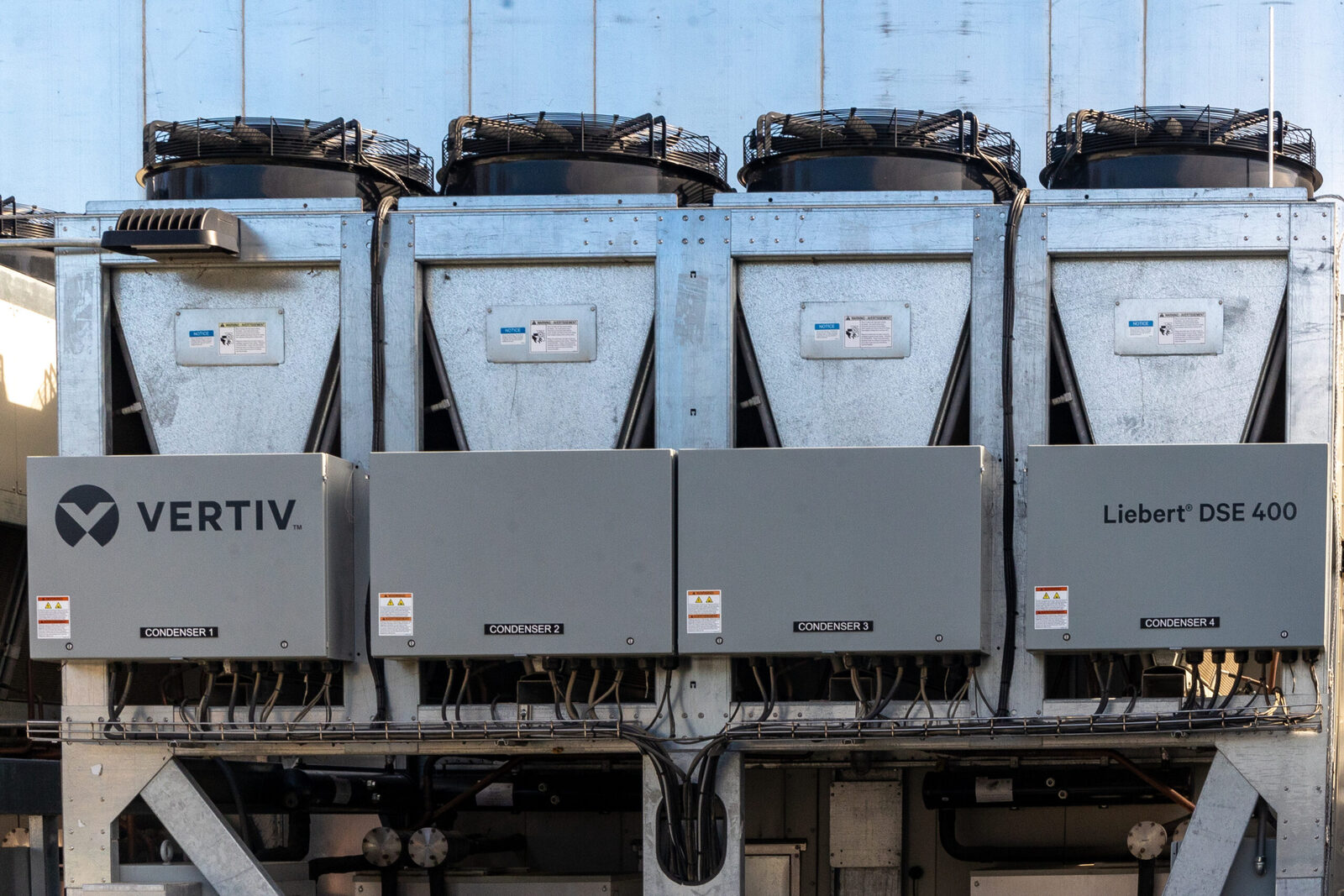
Cooling systems can add other noises. Chillers, pumps, compressors, and cooling towers may produce humming, vibration, or a deeper mechanical rumble. Some systems run continuously, while others change speed as temperatures or computing demand rise. As a result, the sound may become louder at particular times.
Backup generators create a different experience. They may be quiet while idle, then produce a much louder engine sound during testing or a power interruption. Operators usually schedule routine tests, but nearby residents may still notice them, especially if testing occurs early in the morning or lasts longer than expected.
Electrical equipment can also contribute. Transformers and other power systems may create a low hum. Trucks, maintenance work, and construction add temporary sounds as well. These are not all part of daily operation, but they can shape a neighbor’s overall experience of a site.
People describe noise in different ways. One person may hear a faint drone, while another notices a repeating whine or vibration. The sound may be more obvious indoors, outdoors, or in a particular room. That is why a useful assessment looks beyond the label “noise.” It asks what is making the sound, how often it occurs, and where people hear it. The next question is how that sound reaches nearby homes.
2. How sound travels beyond the site
Sound moves through the air as waves. Its strength generally decreases as it travels farther, but distance is only part of the picture. A building, wall, hill, or line of trees may block or soften some sounds. Open ground, hard surfaces, and a clear path between the equipment and a home may allow sound to carry more easily.
Weather can also change what people hear. Wind may carry sound toward one neighborhood and away from another. Temperature layers in the air can bend sound waves, sometimes making a distant source seem clearer than expected. These changes help explain why residents may notice a facility on some nights but not others.
The shape and pitch of a sound matter too. High-pitched sounds may fade more quickly or be blocked by walls. Lower sounds can travel farther and pass through building materials more easily. A low, steady hum may therefore remain audible indoors, even when louder, sharper sounds outside have faded.
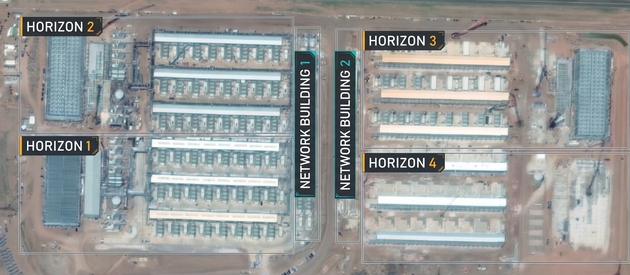
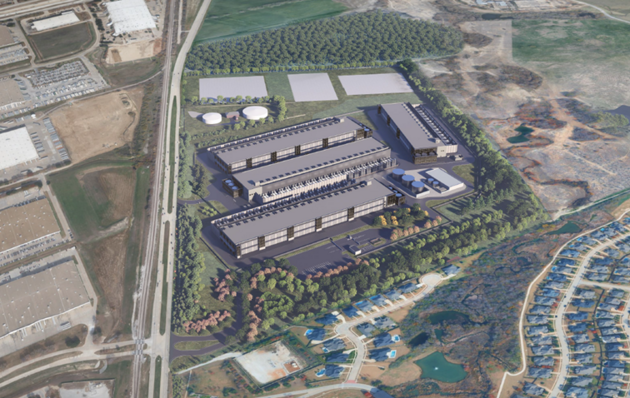
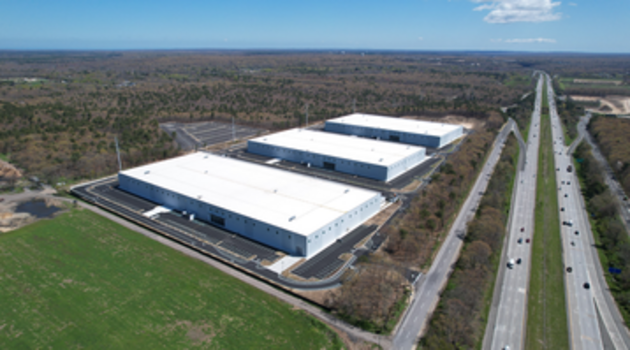
Equipment placement makes a difference. Rooftop fans, el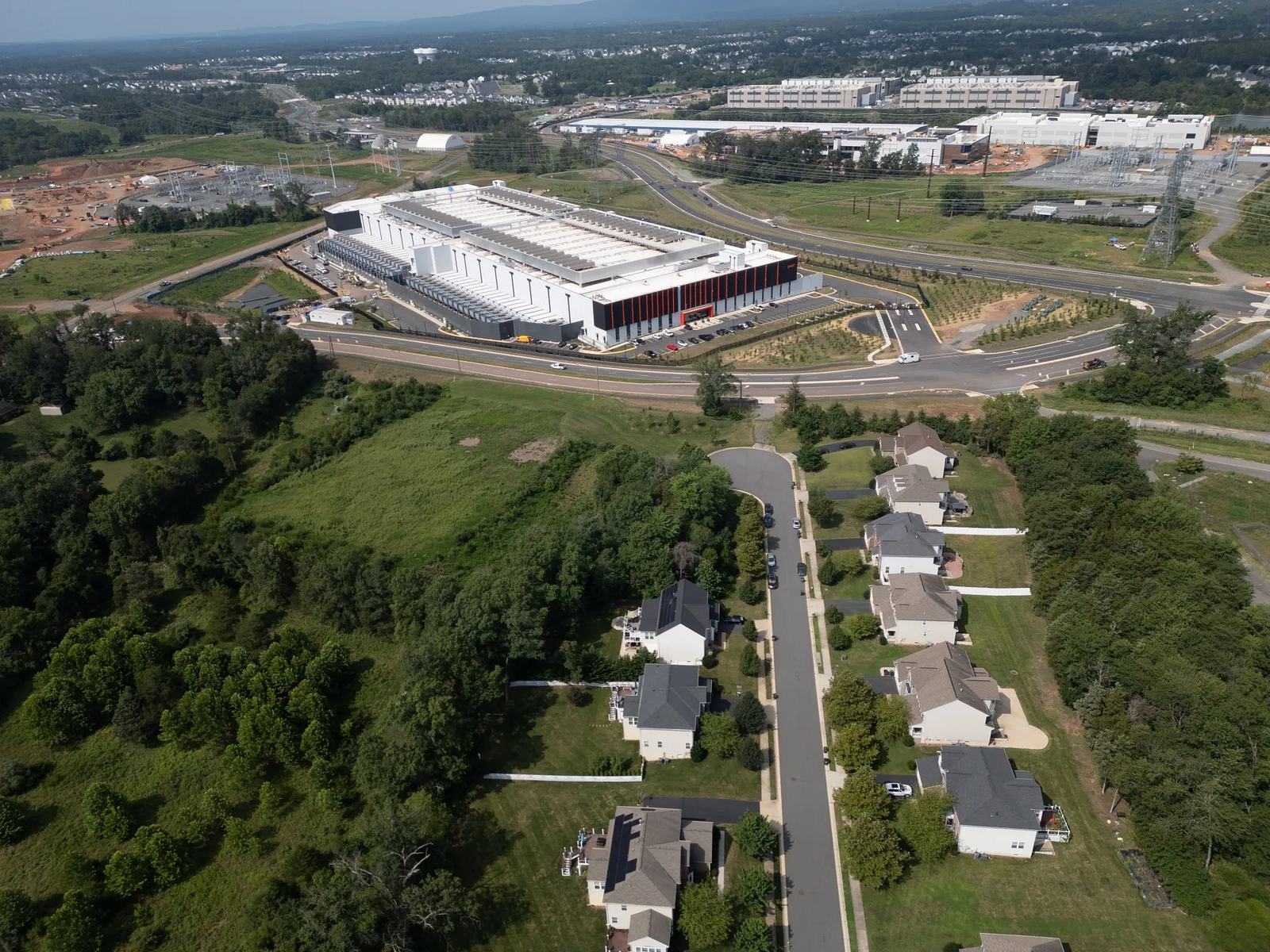 Featured: Exterior editorial photo capturing a large-scale data center facility and perimeter infrastructure in Northern Virginia.evated exhausts, and outdoor cooling systems may have a clearer path to nearby homes than equipment enclosed inside a building. Walls and barriers can reduce sound, but they need to be designed for the particular source and location. A barrier that blocks a view may not block low-frequency sound effectively.
Because conditions vary, a site’s noise cannot always be understood from a single reading at the property line. Measurements at several locations and times can give a fuller picture. That matters especially at night, when the same equipment may stand out more clearly.
3. Why nighttime noise can feel louder
A data center may run around the clock, but the neighborhood around it changes throughout the day. Traffic, lawn equipment, deliveries, and other activity often create a general background sound. At night, much of that activity fades. The data center’s steady hum may then become easier to notice, even if the equipment itself has not grown louder.
This difference can affect how people experience a facility. A sound that blends into daytime activity may interrupt sleep or quiet evenings. Low, repeating sounds can be especially hard to ignore once someone becomes aware of them. Some residents may hear the noise in a bedroom facing the site, while others in the same neighborhood notice little.
People’s homes also differ. Insulation, window placement, ventilation, and room layout can change how much sound enters. A closed window may reduce some noise but leave a low hum audible. If a home needs open windows for comfort, the resident may have fewer options for reducing the sound.
Nighttime measurement is therefore important when facilities operate continuously. A daytime survey may miss the conditions that concern residents most. Measurements should reflect the hours when the equipment runs and the local environment is quietest. They should also account for changing equipment speeds and scheduled generator tests.
Noise rules may set different limits for day and night, depending on the local jurisdiction. However, meeting a limit does not guarantee that every neighbor will find the sound acceptable. To understand why the issue matters, it helps to look at how persistent sound can affect daily life.
4. How persistent noise affects daily life
Noise does not need to be extremely loud to become frustrating. A steady sound can draw attention because it does not stop. Residents may find it difficult to read, work, relax, or fall asleep when a hum remains in the background. If the sound changes in pitch or intensity, it may be even harder to tune out.
Sleep is a particular concern. A sound that wakes someone repeatedly or makes it harder to fall asleep can affect how rested they feel the next day. Not everyone responds the same way, and the effect depends on the sound, the person, the home, and the time of night. Still, the possibility of disrupted sleep is one reason nighttime noise deserves careful attention.
People may also feel stress or frustration when they believe their concerns are not being heard. In that case, the relationship between a facility and its neighbors can become as important as the sound itself. A prompt response and a clear explanation of what is being measured may help build trust, even while a fix is being developed.
It is important not to assume that every complaint proves a regulatory violation. At the same time, a complaint can reveal a problem that a brief or poorly placed measurement missed. Residents know when a sound is recurring in their homes. Their reports can help identify patterns, such as certain hours, weather conditions, or equipment cycles.
A respectful response combines listening with careful measurement. Operators can ask where and when the sound is most noticeable, then compare those reports with operating records. The sound itself has several possible sources, so finding the right fix starts with identifying the equipment involved.
5. Which equipment makes the most noise?
Cooling equipment is often a major source of continuous sound. Computers produce heat, and facilities use fans, pumps, chillers, or other systems to keep temperatures within safe limits. The exact sound depends on the design. A system with many fast-moving fans may produce a broad rush of air, while other equipment may create a low mechanical hum.
Fans may change speed as conditions change. On a hot day, cooling equipment may work harder. A busy computing period can also increase heat, although the relationship varies by facility. If sound rises at certain times, operators can compare residents’ reports with equipment logs to see whether a cooling system is involved.
Generators are a separate source. They are used when normal electricity supply fails and may be tested to confirm they can operate. Unlike fans or pumps, generators may run for shorter periods but create a strong engine sound. Their location, enclosure, exhaust, and test schedule all affect what neighbors hear.
Transformers and other electrical equipment can contribute a steady tone or vibration. The building itself can also matter. Fans, pumps, or pipes may vibrate against walls or supports, causing sound to travel through the structure and into the surrounding ground or air.
The first step in reducing a problem is therefore to identify its source. Operators can inspect the site, review equipment schedules, and measure sound near likely sources and at affected homes. A general complaint about “the data center” is understandable, but a specific source points toward a practical solution. Once that source is known, the facility’s design and location become important.
6. How site design can reduce noise
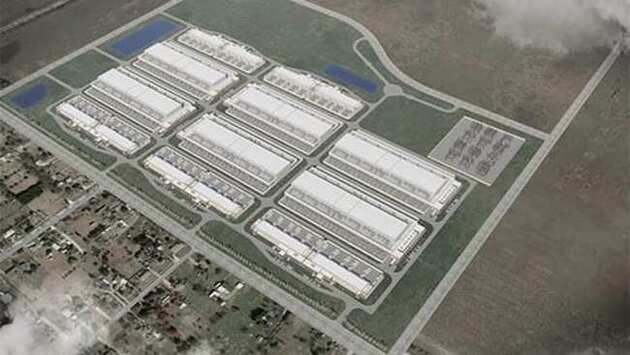
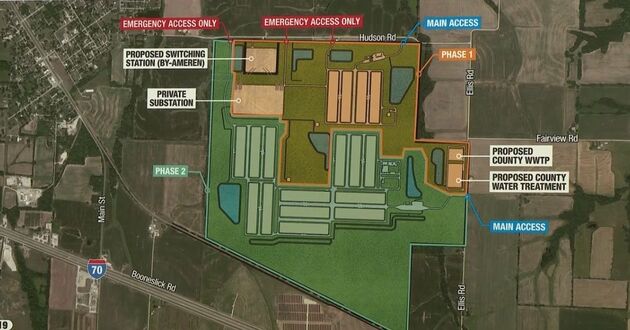
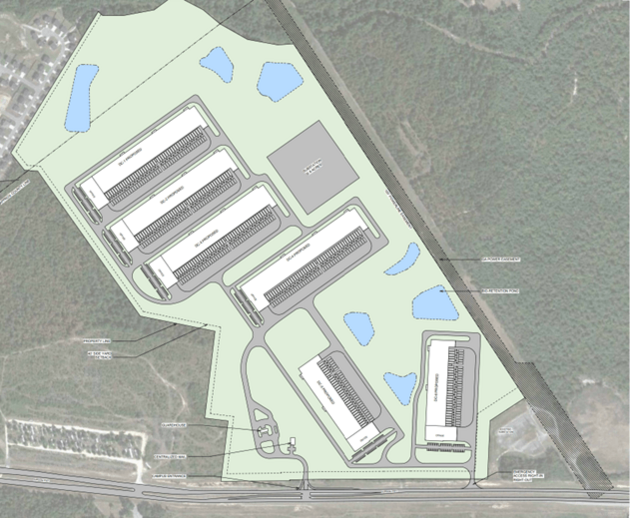
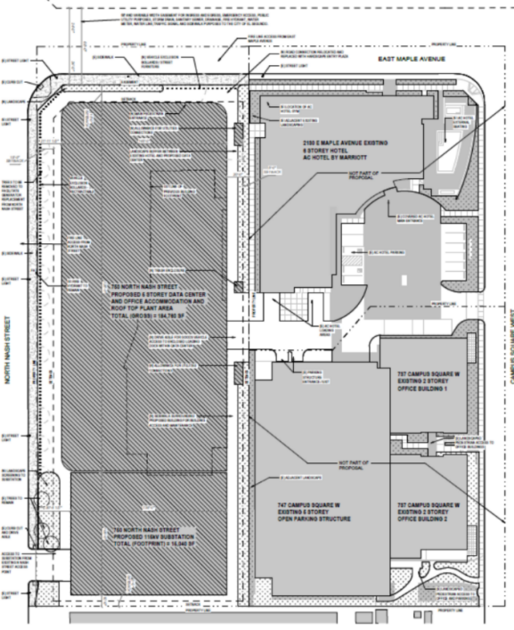
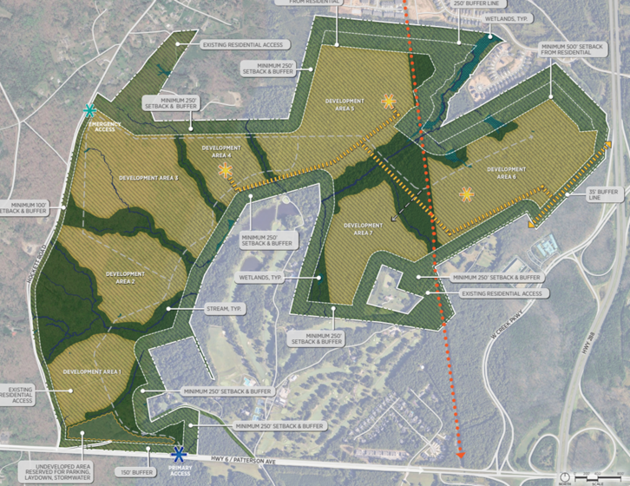
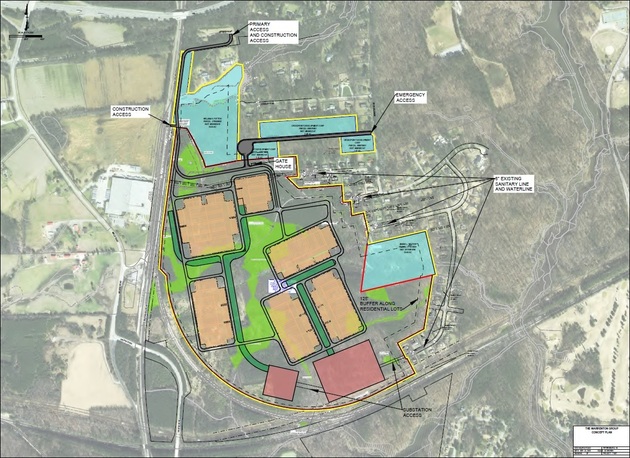
Noise control works best when it begins before construction. Developers can study nearby homes, schools, and other sensitive places, then place louder equipment farther from them. They can also orient buildings so that walls and service areas sit between equipment and neighbors.
Enclosing equipment can help. Fans, pumps, and generators may be placed inside buildings or acoustic housings designed to reduce sound. These enclosures need to allow enough airflow and safe operation. A poorly designed enclosure could interfere with cooling or maintenance, so noise control has to be coordinated with the engineers responsible for the equipment.
Barriers can block the direct path between a sound source and nearby homes. Their height, length, material, and position all matter. A short fence may have little effect if sound travels over it. Low-frequency hum may also pass through or around a barrier more easily than higher-pitched noise.
Landscaping can improve the appearance of a site and may soften some sound, but trees and shrubs alone rarely solve a substantial mechanical noise problem. Solid walls, earth berms, and building placement usually have a more direct effect. Even then, the right approach depends on the equipment and surrounding terrain.
Design choices can also reduce vibration. Equipment can be mounted on supports that limit vibration transfer, and pipes can be arranged to avoid rattling against walls or frames. These details may seem small, but they can matter when a low hum persists indoors.
There is no single solution for every site. A successful plan may combine quieter equipment, enclosures, barriers, and careful placement. Even with good design, operators must choose equipment with noise in mind.
7. Choosing quieter equipment
Developers and operators often focus on whether equipment can cool a building reliably and at an acceptable cost. Noise can be considered at the same time. Some fans, chillers, pumps, and generators are designed to operate more quietly than others. Their performance, cost, maintenance needs, and energy use still need to be compared.
A quieter option may not be a simple swap. It has to fit the facility’s cooling needs and available space. For example, reducing fan speed may lower noise but also reduce airflow. An operator may need more equipment, different layouts, or another cooling approach to maintain reliable temperatures.
Equipment can also be controlled so it runs only as hard as conditions require. Automated controls may adjust fan and pump speeds when temperatures change. This can reduce unnecessary operation, although it will not eliminate sound when the facility needs maximum cooling.
The location of equipment matters as much as the model. A quieter fan placed on a roof facing nearby homes may still be noticeable. Meanwhile, louder equipment inside a well-designed enclosure may have less effect beyond the site. Operators should evaluate the whole installation rather than rely only on product specifications.
Suppliers can provide sound information for equipment, but those figures may not reflect the completed facility or the surrounding neighborhood. The building, nearby surfaces, operating patterns, and weather all affect what residents hear. Therefore, a noise plan should include measurements after installation.
Selecting quieter equipment early is usually easier than trying to correct a problem after the facility is operating. Still, planning cannot anticipate every issue, so monitoring and response remain important.
8. Measuring and monitoring noise
A sound measurement gives a more objective picture than descriptions such as “loud” or “annoying.” However, the result depends on where, when, and how the measurement is taken. A reading near the facility may not match what a resident hears indoors. A daytime reading may also miss nighttime conditions.
A thorough survey can include several locations around the site and in nearby areas where residents report problems. It can be repeated at different times, including quiet nighttime periods. If equipment runs in cycles, the survey should cover those changes. Weather and other background sounds should be recorded because they affect the results.
The measurement should distinguish the facility’s sound from other sources when possible. Traffic, aircraft, construction, and household equipment can affect readings. Operators may compare measurements with periods when particular equipment is turned off or running at different speeds. This can help identify the source of a recurring hum.
Monitoring can continue after the facility opens. Fixed sensors may track sound at selected locations, while periodic surveys can provide a broader assessment. Neither approach replaces communication with neighbors. A sensor may show that sound levels are within a limit, while a resident still reports a pattern that deserves investigation.
Clear reporting helps. Operators can explain where measurements were taken, what was running, and what the results do or do not show. If a complaint is unresolved, independent measurement may provide additional confidence for both residents and the operator.
Good measurement is not just about proving compliance. It can help pinpoint a problem and determine whether a change worked. That process is most useful when residents can report concerns through a clear channel.
9. Listening to nearby residents
Residents are often the first to notice a recurring noise problem. They may hear a sound at a particular hour, in one room, or only under certain weather conditions. These details can help operators identify the equipment responsible.
A useful reporting process should be easy to find and use. Residents should know whom to contact, what information to provide, and when they can expect a response. A simple record of the date, time, location, and type of sound can help reveal patterns. People should not have to prove the cause before reporting what they hear.
Operators can respond by checking equipment logs and site conditions. If the sound appears to come from a particular system, the team can inspect it, adjust its operation, or arrange a measurement near the affected area. The operator should then explain what was found and whether further work is planned.
Local officials may also have a role, especially when complaints concern compliance with noise requirements or development approvals. Their involvement can help establish a process that is seen as fair by both the facility and the community.
Communication matters because silence can increase frustration. A resident who receives no response may conclude that the concern has been dismissed. Even when an investigation finds no clear violation, sharing the result and explaining the next steps can help maintain trust.
Listening does not mean every request can be met immediately. Some equipment must operate to protect the facility. However, operators can often explore changes to schedules, equipment, barriers, or maintenance practices. Generator testing deserves special attention because it can create short but noticeable bursts of sound.
10. Generator tests and backup power
Data centers use backup generators to provide electricity if the normal supply fails. Operators test this equipment to make sure it can start and run when needed. The tests are part of preparing for an outage, but they can be among the loudest events neighbors experience.
A generator usually produces a deeper, stronger sound than cooling fans. Its impact depends on how long it runs, how often it is tested, where it is placed, and how effectively it is enclosed. Exhaust systems and vibration can also affect the sound that reaches nearby homes.
Test schedules can reduce disruption. Operators may choose hours that avoid early mornings, late evenings, or other sensitive periods, while still following maintenance requirements and preparing for emergencies. They can notify nearby residents before scheduled tests and provide an estimated duration.
Noise controls may include acoustic enclosures, barriers, vibration isolation, and careful placement. These measures must still allow safe operation and maintenance. If testing reveals a problem, the operator can review both the equipment and the enclosure before the next test.
Communities may distinguish between routine tests and emergency operation. During a power failure, keeping services running may require a generator to operate for an extended period. Even so, operators can explain what happened afterward and share any steps they will take to limit future disruption.
Backup power is essential to a data center’s operation, but its sound can be managed. The same principle applies to construction, which can be noisy even before the facility begins running.
11. Construction noise and future operation
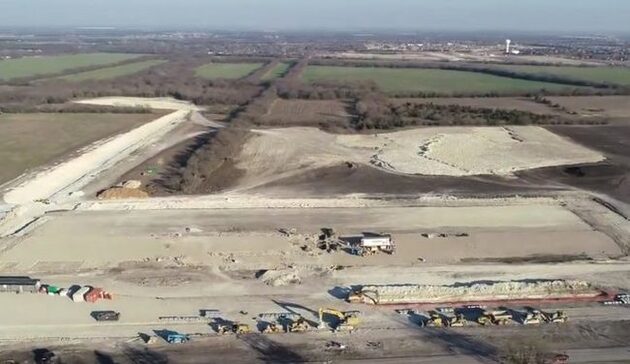
Building a data center can create a temporary period of noise. Construction vehicles arrive, ground is cleared, foundations are laid, and crews install electrical and cooling equipment. Depending on the project, work may continue for months or years.
Construction noise differs from the steady sounds of an operating facility. It may be louder at certain times but limited to a daytime schedule. Local rules often set hours for construction activity, although requirements vary by location. Developers can reduce disruption by planning deliveries, maintaining equipment, limiting unnecessary idling, and communicating schedules to nearby residents.
The transition from construction to operation is important. A site may seem quiet while empty, then become noisier when fans, pumps, and cooling equipment start running. This is why communities benefit from understanding the proposed operating equipment before construction is complete.
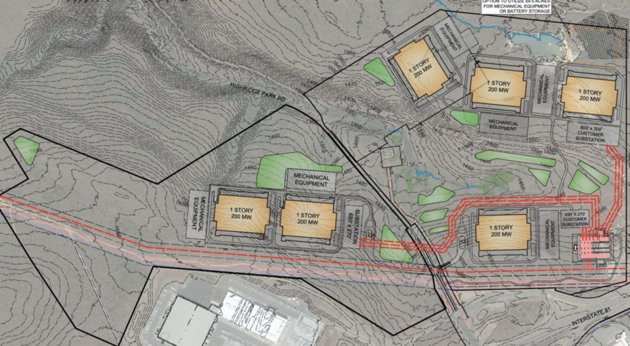
Developers can share expected noise levels and show where major equipment will be placed. They can also identify which systems will run continuously and which will operate occasionally. These details give residents a clearer idea of what to expect and give officials information to use during planning reviews.
If actual operating noise differs from what was expected, the operator should investigate promptly. A measurement after the facility opens can check whether the design performs as intended. If not, equipment settings or sound controls may need adjustment.
Good construction planning cannot prevent every complaint. However, early and honest communication can reduce surprises. This is one reason noise deserves attention during the approval process, before key design choices are fixed.
12. What local officials and developers can do
Local officials can address noise before a data center is built. During planning and review, they can ask for a clear assessment of the main sound sources, nearby homes and community spaces, equipment locations, and likely operating hours. They can also consider whether measurements are needed at night, when background sound is lower.
Requirements work best when they are understandable and enforceable. Developers should know what standards apply, where measurements will be taken, and what happens if operating noise exceeds the limit. Communities should be able to find the relevant information and report concerns.
Developers can improve their plans by involving sound specialists early, comparing quieter equipment, and showing how buildings and barriers will protect nearby areas. They can also provide a schedule for generator testing and a contact point for complaints.
Once the facility is operating, officials and operators can review monitoring results and complaint records. If a pattern emerges, they can work together on a response. Possible steps include adjusting equipment, improving an enclosure, adding a barrier, or changing testing times.
Rules alone cannot capture every person’s experience. Clear communication and follow-up still matter. Likewise, a promise to be a good neighbor needs to be backed by measurements, practical fixes, and reliable response times.
The goal is not to prevent every sound from reaching the community. That may be impossible while keeping equipment safe and dependable. Instead, planning should reduce avoidable noise and make sure concerns are taken seriously. Ultimately, the question is how data centers can provide reliable services while fitting into the communities around them.
13. A quieter cloud is a shared responsibility
Data centers need fans, pumps, cooling systems, and backup power. Their sounds are part of the infrastructure that keeps online services available. However, the fact that equipment must run does not mean its noise should be ignored.
The best results begin before construction. Developers can study nearby homes, place equipment carefully, choose quieter systems, and design effective enclosures. After the site opens, operators can measure sound under real conditions and respond when residents report a recurring problem.
Communities also need useful information. They should know which equipment will run continuously, when generators will be tested, how noise will be measured, and whom to contact. Local officials can set clear expectations and check whether the facility meets them.
No single sound reading can explain every person’s experience. Noise changes with distance, weather, buildings, time of day, and the listener’s home. That is why measurement and communication work best together. Measurements help identify the source and test possible solutions. Residents’ reports reveal where and when the sound affects daily life.
The cloud may seem distant, but the buildings behind it sit in real neighborhoods. As more facilities are proposed, noise should be considered alongside power, water, traffic, and land use. A data center that serves digital needs and respects its neighbors is more likely to earn lasting trust.
A quieter cloud does not happen by accident. It takes thoughtful design, responsible operation, clear local rules, and a willingness to listen. When those pieces come together, communities and data center operators have a better chance of finding a workable balance.