.png)

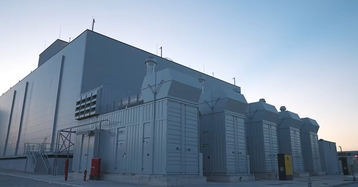
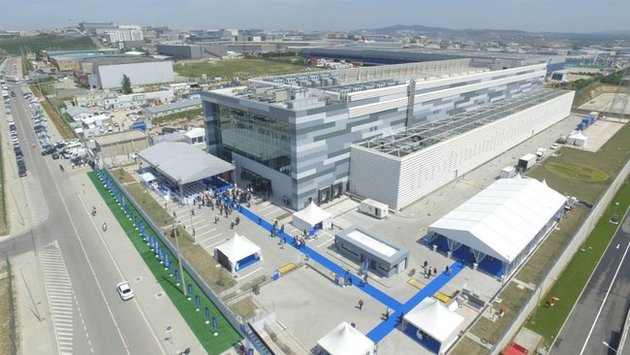
Damac Digital and Vodafone Türkiye have launched the first phase of a new data center in Izmir, Turkey, initially providing 4MW of capacity with plans to scale to 20MW. The project was announced in 2024 and was originally planned as a $100 million, 6MW facility. Damac later increased the investment to $300 million, with the site now designed to support 650 racks across 7,500 sqm.
“The inauguration of the Aegean Region’s largest data center in Izmir is a significant milestone in Türkiye’s digital transformation and reflects our long-term confidence in the country’s growth potential," said Hussain Sajwani, founder of Damac Group and chairman of Damac Digital. "Bringing together Vodafone Türkiye’s deep local capabilities with Damac Digital’s global expertise, we are helping to build the resilient, future-ready infrastructure that will power Türkiye’s next chapter.”
Engin Aksoy, CEO of Vodafone Türkiye, added: “This project builds on Vodafone Türkiye’s long-term investment in the country’s digital future. Serving more than 25 million mobile customers, millions of SMEs, and thousands of large enterprises, our belief in Türkiye’s potential has never wavered. Delivered in just one and a half years, Izmir Data Center stands as a powerful demonstration of this commitment. This facility will not only scale Vodafone’s infrastructure but also reinforce Türkiye’s cloud capabilities and data sovereignty, fueling the critical data processing and AI needs of businesses.”
The facility is Vodafone’s second data center in Izmir and sixth in Turkey, adding to sites in Istanbul, Ankara, and Adana. It also features seismic isolation technology for earthquake protection. Damac Digital, established in 2021, claims a 6GW landbank across 35 sites in 13 countries. The company says it broke ground on 10 sites in the first half of 2026, with eight expected to be operational by year-end. Damac Digital aims to exceed 700MW of operational capacity across 14 sites by Q1 2027 and reach 2GW by Q1 2028.