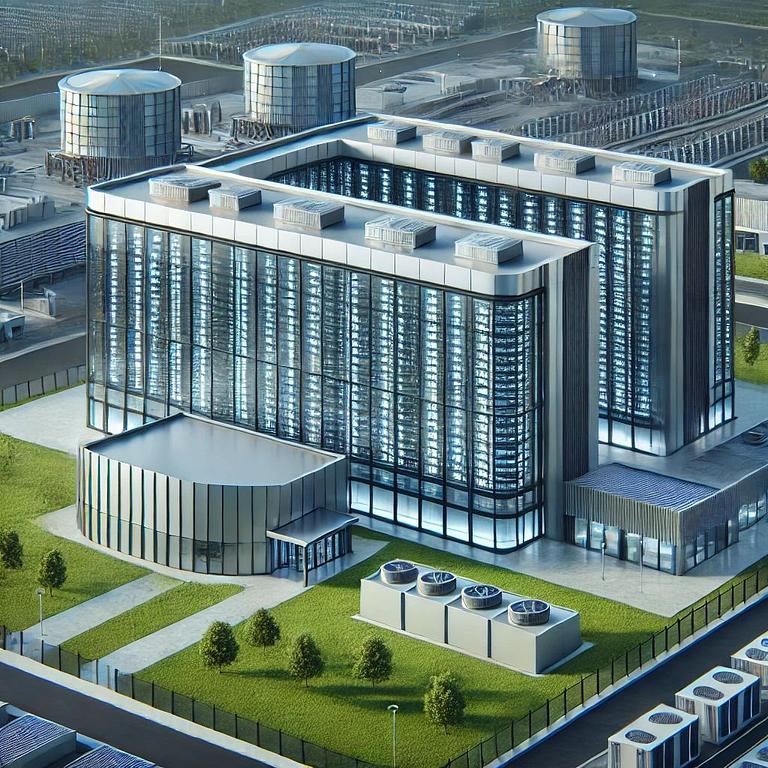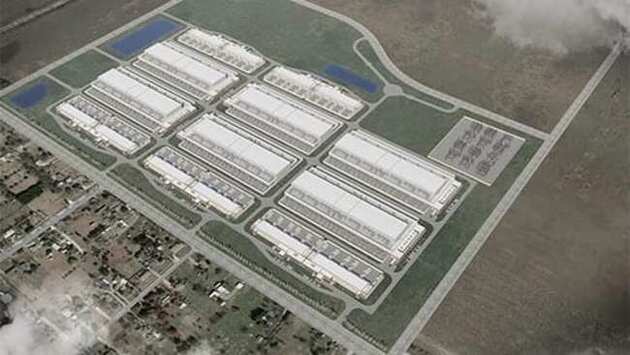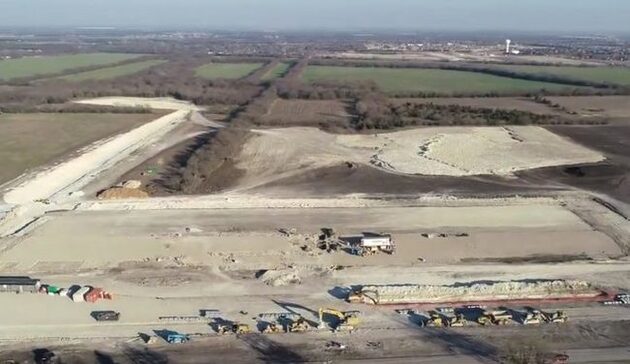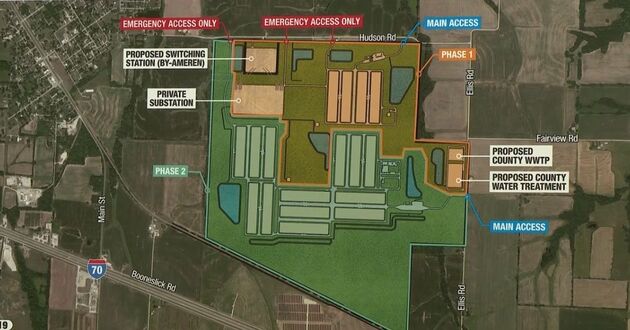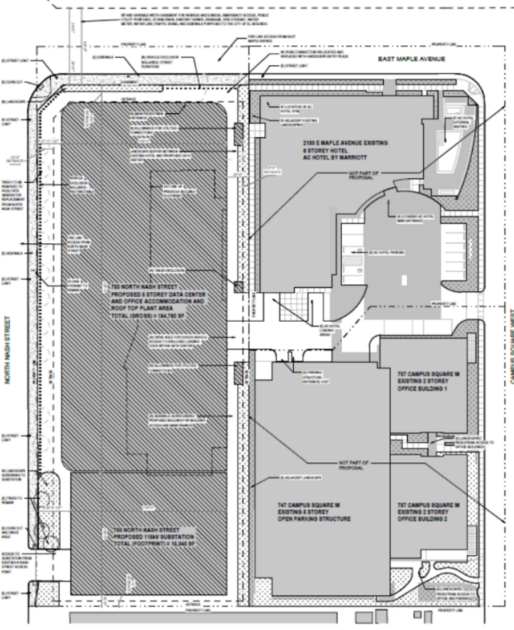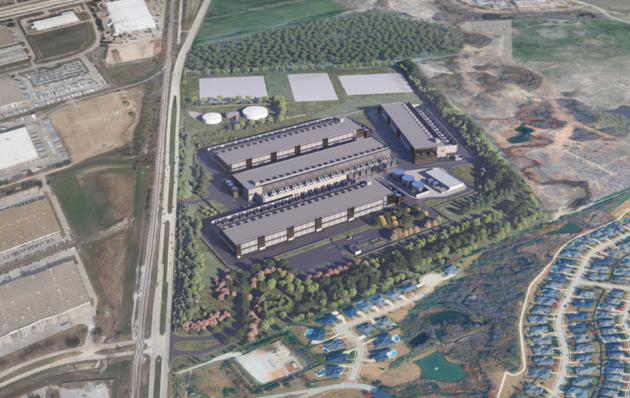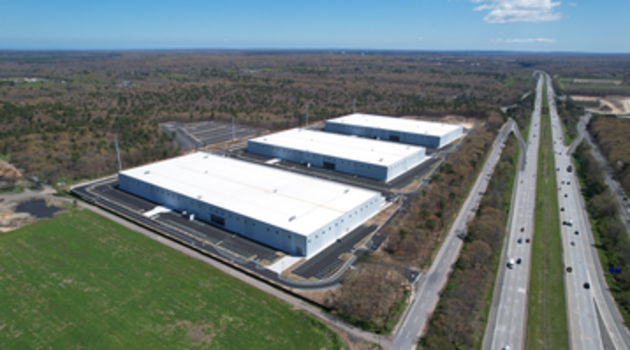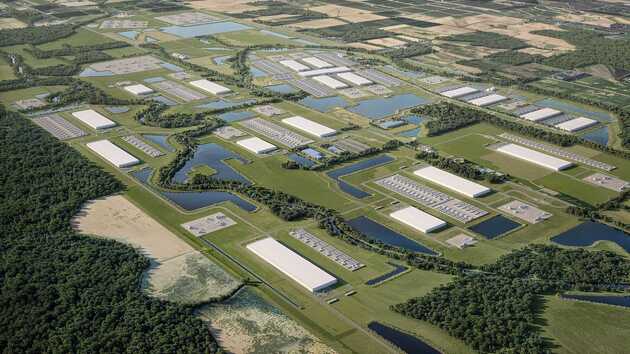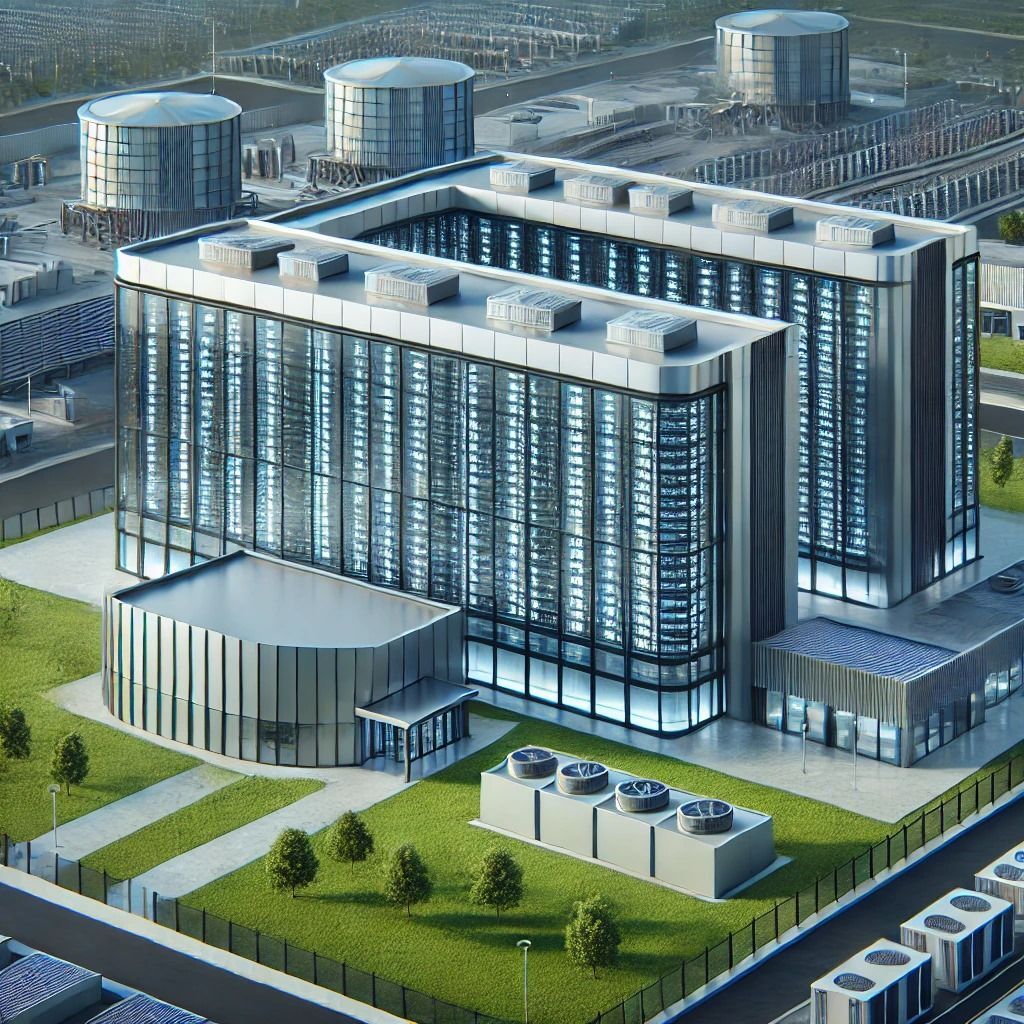

Few places on Earth are as quietly vital as a data center. From the outside, most look like simple warehouses: broad, windowless, and often isolated. However, data centers house some of the most complex environments ever engineered over centuries. Vast rooms filled with servers hum continuously as energy flows through miles of cable and cooling systems breathe steady air into the aisles. It is a world built on precision and synchronization, where every piece of machinery, every sensor, and every line of code plays a part in keeping the digital world alive.
Every time someone swipes a card for a purchase, posts a picture on social media, or clicks “play” on a movie, a server responds, and these servers are housed in data centers around the world. In this century, these facilities are the backbone of global life. Yet, even with all their sophistication, these vital facilities remain vulnerable. A data center can go down in seconds, regardless of its size and the effect of this, even in two seconds, can ripple across continents. Understanding why reveals not only how fragile the digital ecosystem is but also how much effort goes into keeping it running.
The Relentless Pursuit of Uptime
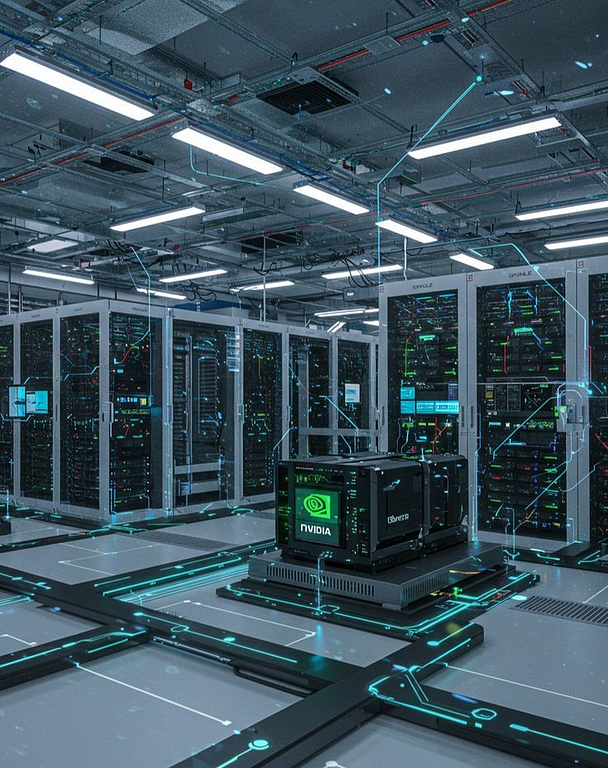
When technology experts talk about reliability, they often use the term *uptime*. In data centers, the gold standard is “five-nines” availability, or 99.999 percent. That translates to a mere five minutes of downtime per year. Achieving this level of reliability is anything but easy. A data center is not a single machine; it is a living network made up of thousands of interdependent systems.
When one part fails, the effects can spread unexpectedly, much like a single domino tipping over an entire chain. Servers, cooling systems, batteries, electrical circuits, and fiber lines each depend on perfect coordination. A tiny malfunction in one area can lead to widespread disruption. The results are immediate and costly. Payment systems can freeze, flights can be delayed, hospitals may lose access to electronic health records, and businesses might watch millions in revenue disappear within minutes.
Beyond the financial loss, the human cost is often invisible but profound. Customers lose trust, employees lose productivity, and brand reputations can suffer long-term damage. For this reason, maintaining uptime is not just an engineering challenge; it is a mission that defines the success of the entire digital economy.
Why Data Centers Go Down
Power Failures
Power is the most essential ingredient that keeps a data center alive. Unfortunately, it is also the most common point of failure. A tiny voltage fluctuation can cause sensitive servers to shut down. External events such as storms, grid instability, or regional blackouts often cause sudden power outages. In every data center, there are countless hidden weaknesses related to power from aging UPS batteries, malfunctioning transfer switches, or a generator that refuses to start, which can bring operations to an immediate halt.
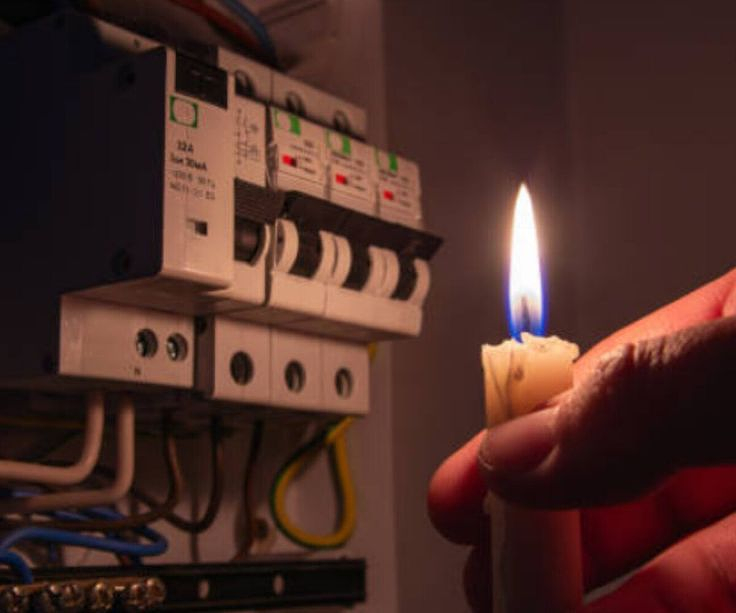
In some cases, fuel contamination or maintenance delays prevent backup generators from engaging when needed. Inside the data hall, overloaded circuits or faulty power distribution units can trigger cascading faults throughout the building. Because data centers rely on absolute electrical stability, even a few seconds of imbalance can be catastrophic.
To counter these threats, engineers design intricate power architectures that include multiple utility feeds, redundant batteries, and automatic switchgear. Still, no design is entirely immune to failure, which makes preventive maintenance and real-time monitoring critical.
Cooling and Temperature Failures
If power keeps a data center alive, cooling keeps it from overheating. Servers generate enormous amounts of heat, which must be continuously managed. When cooling systems fail, temperatures can rise quickly. Within minutes, servers begin to throttle performance to protect themselves. If the problem persists, they shut down completely to prevent permanent damage.
Cooling systems are complex mechanical organisms that depend on pumps, compressors, sensors, chillers, and extensive ductwork. Failures can happen anywhere in this chain. A clogged filter may restrict airflow. A leaking cooling line may reduce pressure. A sensor or software glitch can cause temperature readings to go off balance.
In recent years, the problem has only become more demanding. Artificial intelligence and high-performance computing workloads generate significantly more heat than traditional applications. As a result, cooling systems must work harder than ever, leaving almost no margin for error. In regions where outdoor temperatures are rising due to climate change, even slight inefficiencies can push the system beyond its safe limits.
Human Error
Even as machines handle more and more of the workload, people remain central to data center operations. Technicians install racks, route network cables, update firmware, and manage complex electrical systems. In environments where every action must be precise, a single misstep can lead to a large-scale failure.
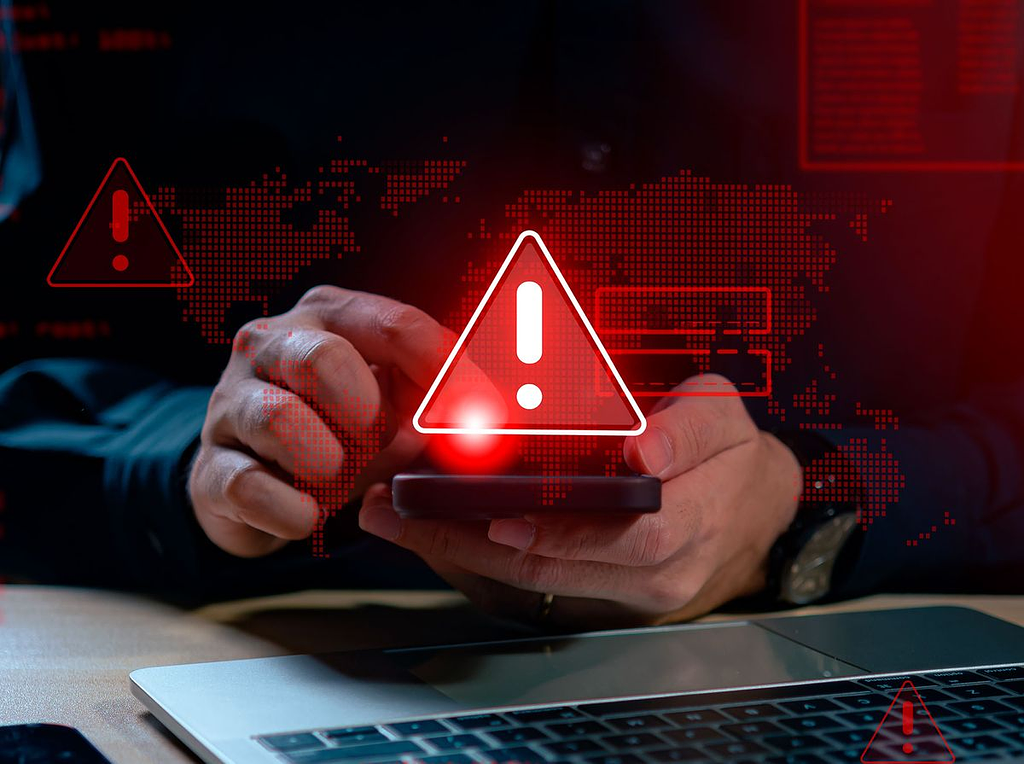
Common mistakes include plugging in the wrong cable, mislabeling equipment, or entering the wrong command during maintenance. These errors often occur under pressure—during overnight upgrades, critical maintenance windows, or unexpected alarms. Although automation can reduce human involvement, it cannot remove it entirely.
The most reliable facilities understand this and design their processes accordingly. Detailed checklists, change-approval systems, and dual-person verification reduce the risk of mistakes. Continuous training and drills help technicians maintain calm and focus under pressure. Over time, the goal is not to eliminate human error, but to make it far less likely to cause harm.
Network and Connectivity Failures
A data center can function perfectly internally but still go unnoticed by the outside world if its network connection fails. Network disruptions are particularly dangerous because they often spread beyond a single facility. A single fiber-optic cable cut by construction equipment can disconnect an entire region. Misconfigurations in Internet routing protocols can cause traffic to loop or reach dead ends. Even brief routing errors can cascade across global systems in minutes.
Meanwhile, cyberattacks have further expanded the threat landscape. Distributed Denial of Service (DDoS) attacks intentionally overwhelm networks with traffic, forcing automatic shutdowns or service blocks. Carrier outages, switch failures, and bandwidth saturation can all cause the same result: services that appear to vanish without warning.
Fire and Safety Incidents
Data centers consume immense electrical power, which makes them naturally vulnerable to fire. To control that risk, they rely on specialized suppression systems that release inert gases or fine water mist instead of traditional sprinklers. Even so, a fire alarm, real or false, can lead to an automatic shutdown of entire sections of the facility.
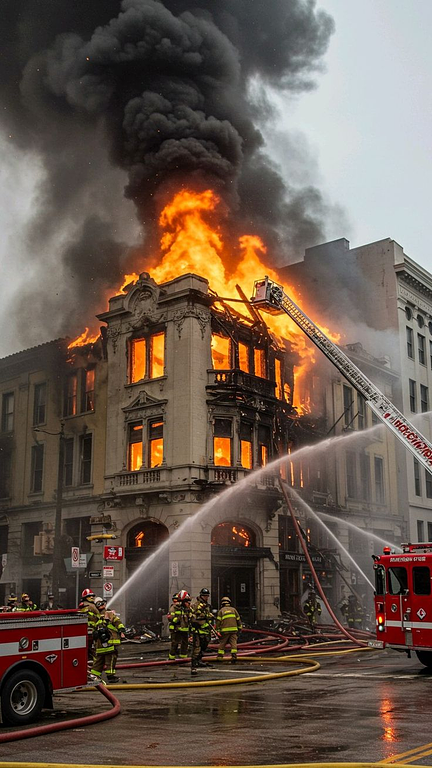
Fires are incredibly disruptive, even when contained. Once a suppression system activates, all affected equipment must undergo inspection before it is allowed back online. This process can take hours or even days, during which critical workloads are shifted to backup facilities.
Natural Disasters
Nature remains unpredictable and often unforgiving. Floods, wildfires, earthquakes, hurricanes, and extreme temperatures all threaten data centers. Even if a facility is built to withstand such conditions, access roads can be blocked, staff may be unable to reach the site, and regional utilities may remain down for days.
Because climate change is making extreme weather more common, data center developers have become more cautious about site selection. They now consider factors such as regional climate trends, geology, stability of water sources, and long-term sustainability. In other words, resilience now begins long before the first server is ever installed.
How Data Centers Prevent Outages
Designing for Redundancy
The first rule of data center reliability is redundancy. Every essential component, power feeds, cooling units, network links, and storage systems, must have at least one complete backup. High-tier facilities employ configurations labeled N+1, 2N, or even 2N+1, meaning there are entire parallel systems ready to take over immediately if one fails.
This approach is expensive, but it is still far cheaper than enduring a full outage. The philosophy is simple: no single point of failure should ever interrupt service. Redundancy extends beyond hardware into software, power distribution, and even staffing, creating multiple layers of protection around every critical function.
Monitoring and Automation
A modern data center is a living organism filled with sensors that report every measurable factor: temperature, airflow, humidity, vibration, voltage, power draw, and hundreds more. These sensors send constant data streams to advanced monitoring platforms known as Data Center Infrastructure Management (DCIM) systems.
Artificial intelligence and predictive analytics help operators anticipate problems before they happen. For example, if a battery begins to lose performance or a pump starts requiring extra effort to maintain flow, systems can alert the team or automatically reroute operations before a failure occurs. In effect, intelligent monitoring enables data centers to act, not just react, proactively.
Cooling Technologies of the Future
Cooling has become an engineering discipline of its own. Modern facilities use hot-aisle and cold-aisle containment to separate airflow, ensuring that servers receive cool air efficiently while hot exhaust is removed effectively. Many operators now rely on liquid-cooling systems that remove heat much faster than air. Some of the most advanced designs use immersion cooling, where servers are submerged in thermally stable liquid baths that maintain consistent temperatures even during heavy workloads.
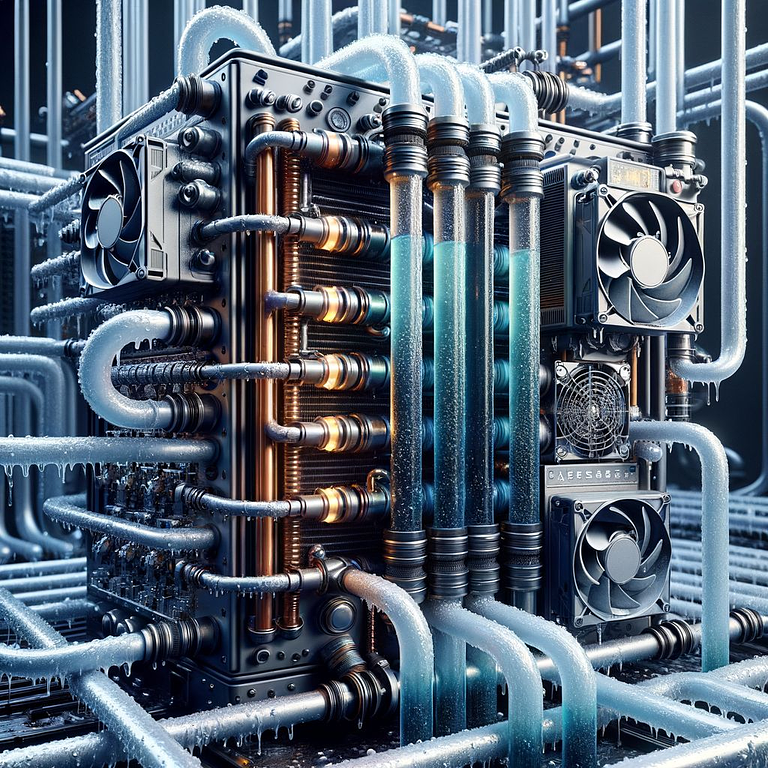
In addition, next-generation systems recycle waste heat for other uses, reducing environmental impact while improving efficiency. These innovations demonstrate how closely the goals of performance, reliability, and sustainability are now intertwined.
Powering Resilience with New Energy
Reliable power is the foundation of all other protections. Newer designs include lithium-ion UPS systems that last longer and handle load transitions more smoothly than older battery types. Standby generators are routinely tested under live conditions to ensure that they can start instantly when needed.
Many large data centers now combine renewable energy sources such as solar and wind with on-site battery storage. Some operate their own independent microgrids that can operate independently of the national grid. This trend not only strengthens reliability but also reduces environmental impact at a time when energy efficiency is becoming a global priority.
Operational Discipline and Human Training
At the heart of it all, human expertise ties these complex systems together. No amount of automation can replace disciplined procedure. Top-tier facilities enforce strict change approval processes, requiring multiple technicians to verify critical actions. Maintenance teams are trained to follow precise sequences that eliminate improvisation.
Simulation drills, emergency rehearsals, and real-time documentation make sure that each person knows exactly what to do in a crisis. Over time, these practices build a culture of predictability and professionalism, which remains the most reliable defense against error.
Security and Risk Management
Modern data centers must defend against both physical and digital intrusion. Access controls, biometric verification, and camera surveillance guard the facility itself. Meanwhile, cybersecurity systems monitor network traffic, authenticate connections, and block potential intrusions.
At the architectural level, operators create redundancy across regions through mirrored facilities and automatic workload migration. When one data center becomes unavailable due to a disaster or outage, another location immediately assumes its workload. This global failover design keeps services running even when large parts of the network experience disruption.
The Future of Data Center Reliability
The future of reliability lies in autonomy. Artificial intelligence, machine learning, and predictive analytics are gradually transforming data centers into self-regulating ecosystems. These systems can adjust cooling, reroute power, balance workloads, and even troubleshoot emerging faults with minimal human intervention.
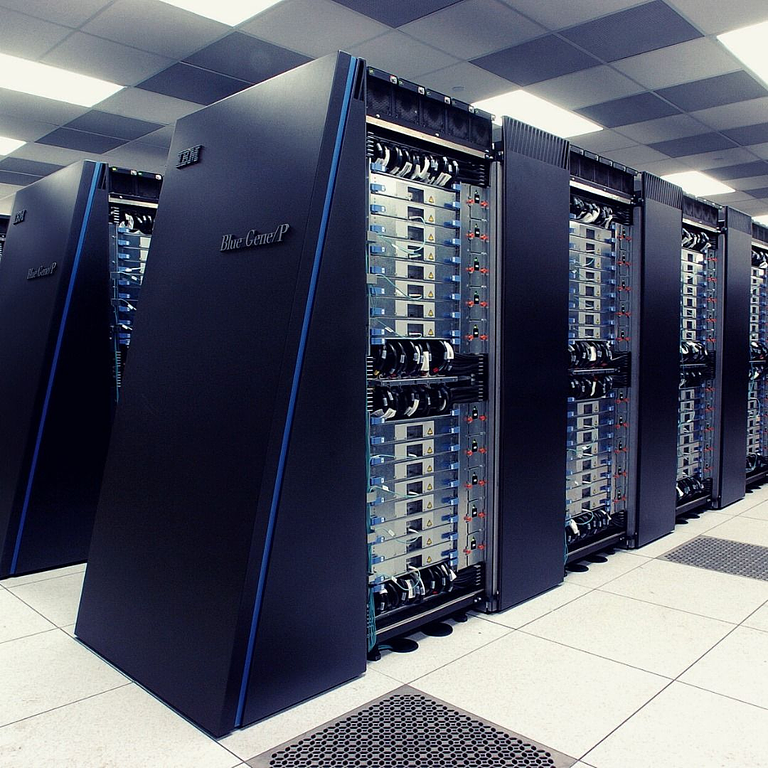
Meanwhile, the rise of edge computing is reshaping the entire concept of infrastructure. Instead of relying solely on a few massive hubs, computing tasks are being distributed across thousands of smaller nodes located closer to users. This decentralization reduces the risk of widespread outages because the failure of one site affects far fewer people.
At the same time, the integration of renewable energy, advanced batteries, and smart grids is making data centers not only more reliable but also more sustainable. The next generation of facilities may one day operate as carbon-neutral digital organisms that power themselves intelligently and adapt instantly to real-time conditions.
Conclusion
Data centers are the invisible power plants of the information age. Everything we do online depends on their quiet and constant operation. Yet beneath that calm surface lies a fragile balance of electricity, heat, and human coordination. Any disturbance, no matter how small, can disrupt the world in ways we rarely see.
Preventing those disruptions requires technical mastery, relentless monitoring, redundant engineering, and disciplined teamwork. Perfection may be unreachable, but the drive toward near-zero downtime continues to push the boundaries of what is possible. As our global dependence on digital infrastructure grows, the resilience of data centers will determine not only the stability of networks but the stability of modern life itself.