
The global digital economy depends on data centers. Every AI model trained, financial transaction processed, cloud application delivered, and video streamed relies on physical infrastructure engineered for reliability, scalability, and efficiency. As demand increases, driven by artificial intelligence, cloud ground, edge computing and many other complex and simple factors, organizations face a strategic decision that is crucial to their very core.
Which option works better for us? Building a traditional purpose-built data center? Or deploying modular systems that will scale incrementally?
There was a point where this could have been considered as a simple architectural preference. However, it goes way beyond architecture noe as this foundational decision can affect capital allocation, risk exposure, and speed to market. It will definitely also affect sustainability performance and long term competitive positioning.
This piece is a fully integrated analysis combining high-level strategy with deep technical explanation.
Traditional Data Centers: Engineering for Permanence and Scale
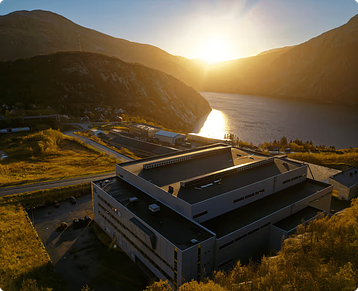
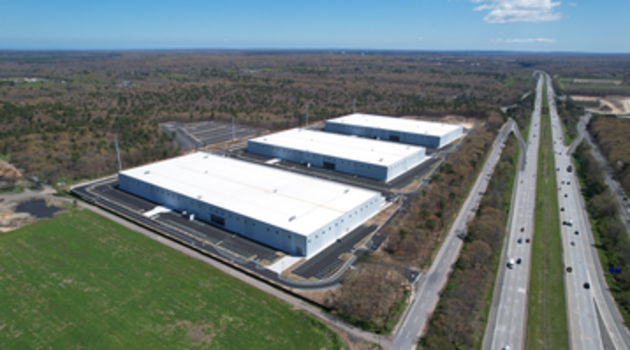
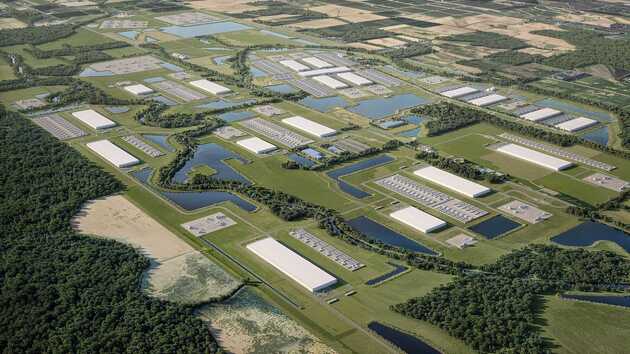
A traditional data center is a custom-designed, permanent facility constructed on-site. These facilities are typically built for 15–25 year operational lifespans and optimized for large, centralized workloads.
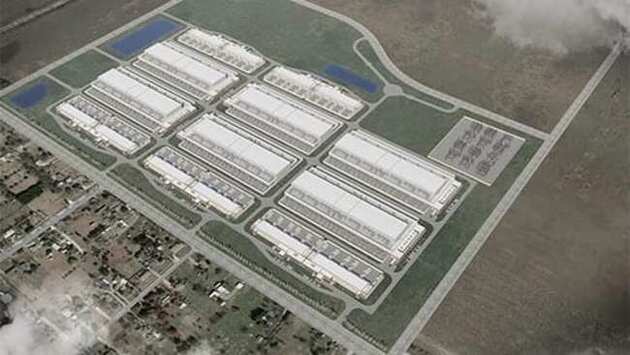
All major cloud providers around the world such as Amazon Web Services, Microsoft Azure, and Google Cloud operate extensive campus-style traditional data centers around the world and are still building more to increase their reach as well as ease their work flow.
1. Architectural Philosophy
When an operator chooses a traditional design, they are making several embedded assumptions. The assumptions include that the demand will remain constant and justify multi decade investments, that technological evolution will be incremental and not disruptive, that the geographical location will remain viable for decades and that regulatory conditions will not drastically change as any of these factors can easily make this a bad investment. Traditional data centers are built on a philosophy of infrastructure permanence and long-term capital efficiency.
This philosophy assumes:
- Predictable regional demand
- Long-term cloud or enterprise usage
- Stable regulatory and energy environments
Because of this, traditional builds prioritize permanence over flexibility. Structural steel, reinforced concrete floors, heavy-duty roof systems, and permanent mechanical plants are designed to operate for decades.
All of the layout designs from aisle orientation to electrical room placement and cooling plant sizing are pre fixed in the earlier stage of design. While expansion phases may be planned gradually, the overall footprint and architecture of the facility are relatively fixed once built. The implication of this is that though these traditional facilities are maximizing long term efficiency, they are reducing adaptability if technology should ever shift dramatically.
2. Electrical Infrastructure
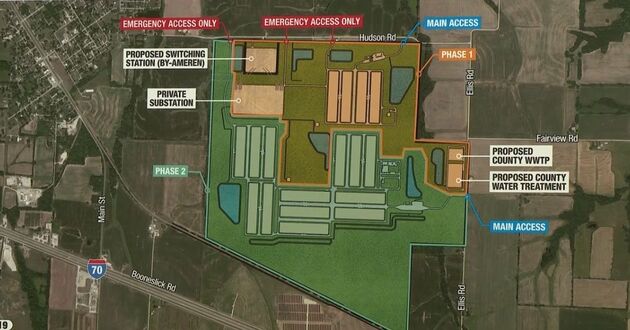
Electrical infrastructure forms the backbone of any data center, and traditional facilities typically design these systems at a massive scale from the very beginning. Large campuses often include on-site substations that connect directly to high-voltage transmission lines, providing greater power stability, higher capacity limits, and reduced reliance on shared distribution grids. However, developing these substations requires close coordination with utilities, lengthy permitting processes, and significant capital investment.
Once power is brought on-site, it is stepped down and distributed through medium-voltage systems using redundant switchgear configurations. Traditional designs commonly incorporate N+1 redundancy, where one additional component is added beyond the minimum requirement, or 2N redundancy, where systems are fully duplicated. While these approaches enhance reliability and uptime, they also substantially increase infrastructure costs.
To ensure continuity during outages, backup generation systems, typically powered by diesel or natural gas are installed. These systems are supported by fuel storage tanks that are usually sized to sustain operations for 24 to 72 hours without refueling.
Overall, traditional electrical infrastructure is highly robust and scalable, but it comes with the trade-off of being capital-intensive and relatively slow to deploy.
3. Mechanical Cooling Systems
Cooling accounts for a major share of operational cost. Traditional facilities use large chilled-water systems. Water absorbs heat from server racks and transfers it to cooling towers. This ensures high efficiency at scale, centralized monitoring and strong thermal performance for large loads. Raised floors or overhead ducting distribute cold air across large data halls. Airflow modeling (CFD analysis) is often required to optimize temperature consistency. However, the implications is that traditional cooling works extremely well at large steady-state loads but can be difficult to retrofit for extreme density spikes.
4. Construction Process
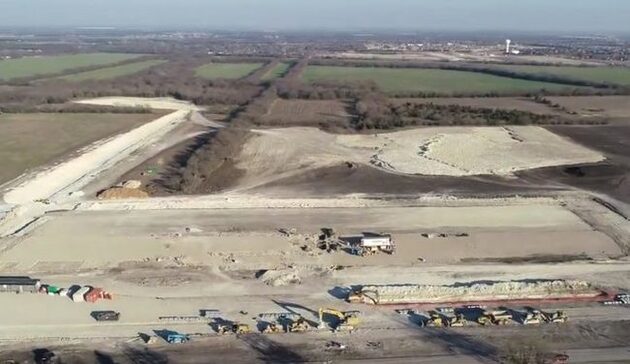
The traditional construction process follows a linear workflow in which each stage depends on the completion of the previous one. It begins with land acquisition, followed by environmental studies and the establishment of utility agreements. After these preliminary steps, the project moves into architectural design, then progresses to mechanical and electrical engineering. Construction comes next, and the process concludes with commissioning.
Because each phase is sequential, any delay in one stage can cascade and affect the entire schedule. While this linear model introduces a higher level of schedule risk, it allows for a high degree of customization at every step. As a result, customization is maximized, but overall speed is minimized.
5. Strengths of Traditional Design
Traditional data center design offers several key strengths, particularly when it comes to scale and long-term planning. At capacities exceeding 100 MW, operators benefit from economies of scale, as fixed infrastructure costs are spread across extremely large compute loads, reducing the cost per unit. These facilities are also built for longevity, often engineered to operate reliably over multiple decades, which makes them especially attractive in stable cloud markets. In addition, traditional approaches allow for a high degree of custom engineering, enabling operators to tailor systems to specific workload requirements, local climate conditions, and energy market dynamics. As a result, traditional design performs best in scenarios where scale and stability are the primary strategic priorities.
However, this approach also comes with notable limitations. One of the most significant challenges is the slow time to market, as traditional construction timelines can take years, while demand, especially for AI infrastructure, can emerge and evolve within months. This mismatch creates a risk of falling behind market needs. There is also a high level of capital risk involved; if anticipated demand does not materialize, the result can be underutilized infrastructure and stranded investment. Furthermore, traditional facilities tend to lack flexibility, making it expensive and complex to retrofit them for new cooling technologies or increasing power density requirements. Consequently, traditional builds rely heavily on confidence in long-term demand forecasts.
Limitations to Traditional Data Centers
Traditional approaches face several key limitations. One major challenge is capital exposure: building a 100 MW facility when only 40 MW is immediately required ties up significant capital in infrastructure that remains underutilized. There is also technology risk to consider. If AI density doubles within five years, retrofitting older air-cooled halls to meet new demands can become costly and inefficient. Geographic risk is another concern, as centralized infrastructure increases vulnerability to grid failures, extreme weather events, and regulatory changes. While this risk can be mitigated through geographic diversification, doing so requires investment in multiple campuses, which adds further complexity and cost.
Deep Dive into Modular Data Center
Modular data centers are built on the core concept of standardization combined with replication. Instead of engineering each facility as a one-off project, manufacturers design standardized modules that can be reproduced with minimal variation. This approach leads to more predictable performance, reduces engineering time, shortens procurement cycles, and simplifies technician training. Because these modules are replicated across deployments, design risk is reduced and global rollout becomes significantly faster. As a result, modular design prioritizes consistency and speed rather than deep customization.
A key feature of this approach is the use of containerized modules, which are self-contained units that integrate racks, cooling systems, and electrical infrastructure within compact enclosures. These systems are effective because they are factory-tested before deployment, which minimizes commissioning issues, and they are produced in controlled environments that improve quality assurance. Once delivered, they can often be deployed in a plug-and-play manner. This makes them particularly well suited for remote mining operations, military environments, temporary capacity expansions, and edge computing use cases. However, they can face limitations in terms of space and may not achieve the same density levels as large, traditional campuses.
Another important element is the use of prefabricated electrical and mechanical skids. Instead of constructing complex electrical rooms on-site, modular providers assemble components such as UPS systems, switchgear, and cooling plants in advance. These systems are fully wired and tested before being shipped, which reduces installation errors, accelerates integration, and lowers on-site labor requirements. This method has proven so effective that it is increasingly being adopted even within traditionally built data centers.
Modular design also extends to the structural level, where entire data halls can be assembled from prefabricated building components. This enables operators to expand capacity incrementally, adding power in predictable megawatt increments without overbuilding infrastructure upfront. Because these components are manufactured in factories, they offer high levels of precision and consistency in construction.
One of the most significant advantages of modular design is the ability to execute parallel construction. While site preparation activities such as grading and utility installation are underway, the modules themselves can be fabricated simultaneously in a factory setting. This overlap in timelines can reduce total deployment time by as much as 30 to 50 percent, effectively turning speed into a strategic advantage.
Despite these benefits, modular design has its limitations. At hyperscale levels, traditional custom-built campuses may achieve better cost efficiency due to economies of scale. Standardization can also become a constraint when highly specialized customization is required, as deviations from the base design may reduce some of the efficiency gains. In addition, coordinating large numbers of modules in deployments exceeding 100 megawatts can introduce system-level complexity that must be carefully managed.
Modular data centers represent a fundamental shift in how digital infrastructure is conceived, financed, and deployed. Rather than treating each facility as a bespoke construction project, modular design approaches infrastructure as a manufactured product standardized, repeatable, and scalable. This shift mirrors transformations seen in industries such as automotive manufacturing and prefabricated housing, where complexity is moved off-site, quality is controlled in factory environments, and delivery is accelerated through parallel workflows. What follows is a deeper technical and strategic expansion of modular infrastructure principles.
1. Core Philosophy: Infrastructure as a Product, Not a Project
The core philosophy behind modular data centers is the idea of infrastructure as a product rather than a project. Traditional data centers are designed and built as one-off projects, customized for specific sites and requirements, while modular systems are created for replication, iterative improvement, and standardized deployment.
This distinction leads to several important outcomes: shorter engineering cycles, improvements rolled into future production runs, more predictable supply chains, and improved quality control through repeatability.
Instead of redesigning systems for each build, providers develop validated designs that can be produced at scale, reducing risk and accelerating procurement.
2. Factory Fabrication: Controlled Environments, Higher Consistency
A major advantage of modular design is factory-based fabrication. Traditional construction occurs on-site and is exposed to weather variability, labor shortages, coordination challenges between subcontractors, and delays from material sequencing.
Factory production eliminates many of these uncertainties.
Benefits of factory assembly include climate-controlled production environments, standardized quality inspections, automated tooling and precision alignment, and pre-delivery integrated system testing.
Electrical systems, cooling, and monitoring infrastructure can be fully assembled and tested before shipment, reducing commissioning time and minimizing on-site rework.
3. Parallel Workflow: The True Time Compression Engine
The defining mechanism behind modular speed is parallelization. Traditional builds follow a sequential process, whereas modular construction enables simultaneous progress.
Parallel deployment model:
While the site undergoes land grading, foundation pouring, and utility preparation, modules are simultaneously fabricated, wired, tested, and quality verified.
This overlap can reduce deployment timelines by months, sometimes cutting total duration nearly in half.
4. Standardization and Versioning: Continuous Improvement at Scale
Because modular data centers are productized systems, they evolve through versions similar to software releases.
For example, Version 1 supports lower-density racks, Version 2 integrates higher-density, liquid-ready racks, and Version 3 incorporates advanced cooling such as direct-to-chip.
Instead of retrofitting entire campuses, improvements are integrated into future modules. Companies like Vertiv continuously update modular product lines to support higher densities and advanced cooling.
5. Containerized Systems: Compact, Self-Contained Compute Blocks
Containerized modular units integrate IT, cooling, and power into transportable enclosures.
Engineering characteristics include fully enclosed environmental control, integrated airflow or liquid cooling systems, compact electrical distribution systems, and built-in monitoring and fire suppression.
Strategic use cases include edge computing in urban areas, remote industrial or mining operations, military or disaster recovery deployments, and rapid AI cluster expansion.
These systems are fast to deploy and operate semi-independently, though they have size constraints and less flexibility than large facilities.
6. Prefabricated Electrical & Mechanical Skids
Modular providers address traditional construction risks by delivering preassembled systems such as UPS systems, integrated switchgear, packaged cooling systems, and pre-wired distribution units.
These components arrive factory-tested and typically require only final connection on-site.
Operational benefits include fewer wiring errors, faster commissioning, reduced on-site labor, and improved safety through pre-validation.
Even hyperscale operators increasingly adopt prefabricated components to accelerate deployment.
7. Incremental Scalability: Aligning Capacity with Demand
Modular infrastructure allows capacity to grow in stages rather than requiring large upfront builds.
Operators can deploy small initial capacity blocks, add modules as utilization increases, and pause expansion if demand slows.
This reduces stranded capital risk, idle power consumption, and financial exposure in uncertain markets.
8. AI-Driven Adaptability
AI workloads are reshaping infrastructure requirements, demanding higher density and advanced cooling.
Key requirements include 50–100+ kW per rack, increased power density, liquid cooling integration, and higher electrical capacity.
Modular systems adapt quickly because design changes apply to future production runs.
Examples of enhancements include direct-to-chip cooling integration, immersion-ready designs, higher-capacity power bus systems, and rear-door heat exchangers.
Companies such as Schneider Electric are developing modular systems tailored for these high-density AI environments.
9. Geographic Flexibility and Edge Deployment
Modular systems support distributed deployment strategies and can be installed in diverse environments, including space-constrained urban areas, emerging markets with limited infrastructure, locations near telecom hubs, and renewable-powered microgrid environments.
This flexibility reduces centralization risk and improves latency for end users.
10. Financial Engineering and Capital Efficiency
Modular infrastructure significantly changes investment dynamics.
Capital allocation benefits include lower initial capital expenditure, shorter ROI cycles, improved financial flexibility, and reduced need for speculative overbuilding.
This model is especially attractive to venture-backed AI companies, telecom operators expanding next-generation networks, and enterprises transitioning from on-premise systems.
11. Operational Standardization and Maintenance
Standardized modules simplify operations and improve consistency.
Benefits include predictable maintenance schedules, standardized spare parts, faster technician onboarding, and reduced troubleshooting variability.
This consistency improves reliability across multiple sites.
12. Limitations and Complexity at Large Scale
Despite its advantages, modular design has limitations, especially at very large scale.
Integration challenges include system-level orchestration across many modules, complex inter-module networking, and shared infrastructure requirements such as substations.
Cost considerations include the possibility that traditional builds may achieve lower cost per megawatt at extreme scale, as centralized systems benefit from bulk procurement and efficiency.
As a result, modular infrastructure typically complements rather than fully replaces traditional approaches at hyperscale.
The Hybrid Future: Combining Traditional and Modular Data Centers
The future of data center infrastructure is not a binary choice between traditional or modular approaches. Instead, it lies in combining the strengths of both to create a hybrid, adaptive, and resilient ecosystem. This model reflects the reality that modern digital demand is highly diverse. Some workloads require massive, highly efficient centralized campuses, while others benefit from rapid, distributed deployment closer to users or specialized AI clusters.
1. Why Hybrid Is Emerging
Several forces are driving the adoption of hybrid data center strategies.
a. Diverse Workload Requirements
Hyperscale cloud services continue to depend on large, centralized campuses that deliver economies of scale, high redundancy, and custom engineering. At the same time, AI clusters require rapid deployment, high-density cooling, and flexible power infrastructure, while edge computing depends on smaller, distributed sites positioned close to end users to reduce latency. A hybrid approach allows operators to align infrastructure type with workload requirements instead of forcing a single model to serve all needs.
b. Capital Flexibility and Risk Management
Traditional campuses require significant upfront investment and long build timelines, whereas modular deployments allow for smaller, incremental capital commitments. In a hybrid model, core capacity is delivered through traditional campuses to maximize efficiency, while fast-growing or uncertain workloads are handled by modular units. Expansion can then occur in stages based on actual demand rather than projections alone, reducing financial risk and minimizing the likelihood of stranded assets.
c. Geographic Resilience
Centralized campuses can expose operators to regional risks such as grid instability, extreme weather events, and regulatory or political shifts. By contrast, modular units can be deployed across multiple locations, creating a distributed network that improves resilience and reduces dependence on any single site.
2. How Hybrid Models Work in Practice
Hybrid infrastructure can take several forms depending on strategic priorities.
a. Traditional Core + Modular AI Pods
In this model, large central data centers support stable and predictable workloads, while modular units are deployed as specialized AI clusters with high-density racks and advanced cooling systems. These modular pods can be upgraded, replaced, or relocated independently of the core facility, allowing organizations to scale AI capacity without disrupting existing operations.
b. Distributed Edge + Central Campus
Here, core campuses manage primary workloads, storage, and enterprise applications, while smaller modular units are deployed near urban centers, telecom hubs, or industrial sites. These edge deployments can operate independently or in coordination with central infrastructure, improving latency, redundancy, and geographic coverage.
c. Phased Expansion Within Large Campuses
Even within traditional campuses, modular components can serve as incremental upgrades. They may provide additional power or cooling capacity, act as testing environments for new technologies, or be upgraded off-site to support future high-density requirements. This creates a flexible, plug-and-play layer within otherwise fixed infrastructure.
3. Strategic Advantages of Hybrid Models
Hybrid data center strategies offer several key advantages. They provide flexibility by allowing infrastructure to adapt to changing workloads and evolving technologies. They improve speed by enabling rapid deployment of modular units alongside slower traditional builds. They enhance financial efficiency by aligning capital investment with actual demand and reducing upfront exposure. They strengthen resilience through geographic distribution and improved disaster recovery capabilities. They support innovation by enabling new technologies to be tested in modular environments before wider rollout. They also contribute to sustainability by combining large-scale efficiency in core campuses with reduced overbuilding and potential integration of renewable energy in modular deployments.
4. Challenges and Considerations
Despite their benefits, hybrid strategies introduce additional complexity. Integration across traditional and modular systems requires sophisticated monitoring, networking, and operational coordination. Balancing standardization with customization can be difficult when managing diverse infrastructure types. Long-term planning also becomes more complex, as operators must determine which workloads should remain centralized and which are better suited for modular or edge environments.
Even with these challenges, the advantages often outweigh the added complexity, particularly in sectors such as AI, cloud computing, and telecommunications, where speed, flexibility, and resilience are critical.
5. The Hybrid Future in Context
As AI, 5G, cloud services, and edge computing continue to expand, hybrid infrastructure is becoming the defining model for modern data centers. Traditional campuses will continue to anchor stable, large-scale workloads. Modular systems will provide the agility needed to scale quickly, adapt to new technologies, and respond to shifting demand. Edge deployments will bring compute resources closer to users, improving performance and supporting regulatory requirements.
Together, these elements create an infrastructure ecosystem that combines the efficiency and permanence of traditional builds with the speed and adaptability of modular design, positioning organizations to handle both current demands and future technological shifts.
Final Conclusion
Traditional data centers excel in scenarios where scale exceeds 50–100 MW, long-term demand is predictable, custom engineering is required, and economies of scale are the dominant driver of efficiency.
Modular data centers perform best when speed to market is critical, growth trajectories are uncertain, geographic distribution is necessary, and capital flexibility is a priority.
In practice, hybrid strategies are increasingly becoming the dominant approach. The future of data center infrastructure is not defined by a single architectural model, but by the ability to balance permanence with adaptability.
In a landscape shaped by accelerating AI workloads, tightening energy constraints, and evolving regulatory environments, engineered flexibility is likely to emerge as the ultimate competitive advantage.