
The company blames bureaucracy. The balance sheet tells a different story.
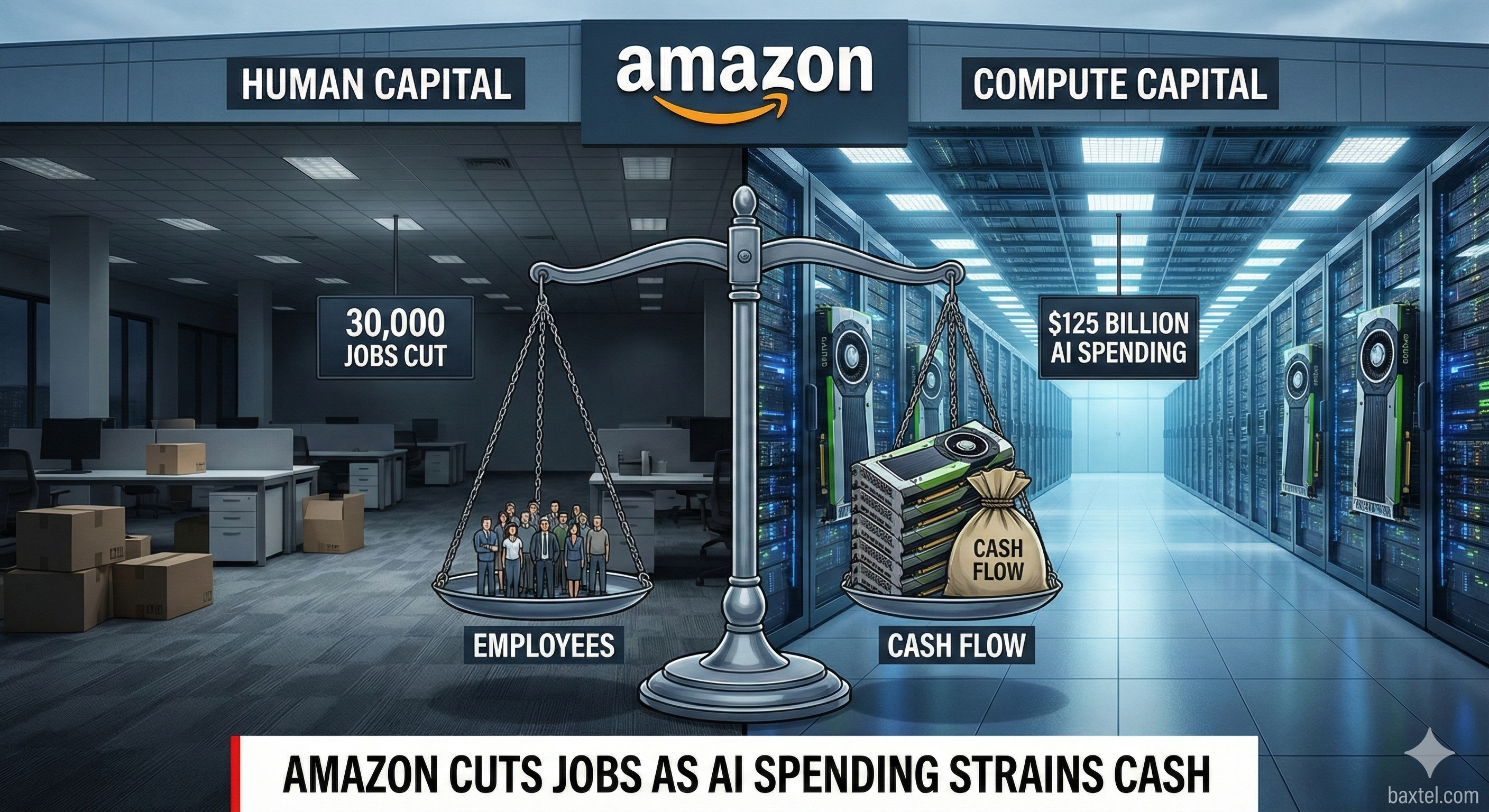
Amazon has now eliminated 30,000 corporate positions since October, making it the largest workforce reduction in the company's 30-year history. The cuts came in two waves: 14,000 in late October 2025, followed by another 16,000 announced in late January 2026.
CEO Andy Jassy attributed the reductions to organizational bloat, citing too many management layers and a need to return to "startup" culture. But a closer look at Amazon's financials reveals a more pressing driver: the company's aggressive bet on artificial intelligence infrastructure is straining its cash position at an unprecedented rate.
Cash Flow Under Pressure as AI Spending Soars
Amazon's quarterly free cash flow turned negative in Q3 2025, posting a loss of $4.8 billion even as the company reported strong topline results. Revenue reached $180 billion, up 13% year-over-year. AWS grew 20%. Net income rose 38%.
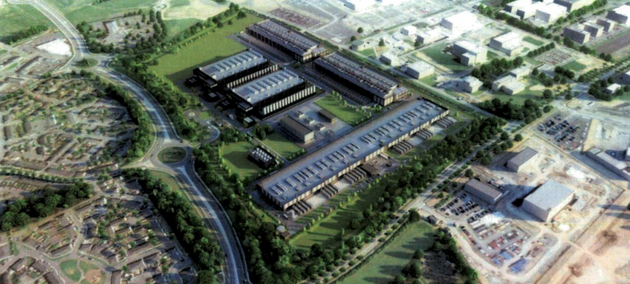
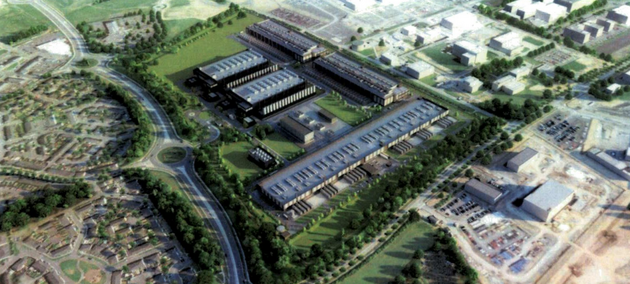
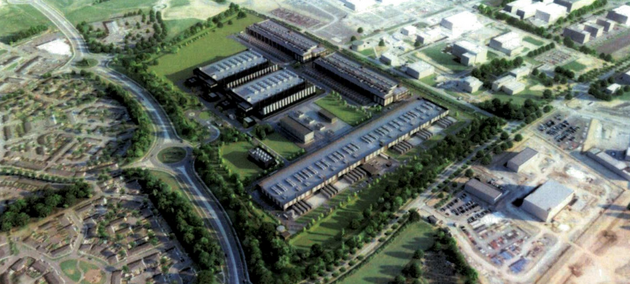
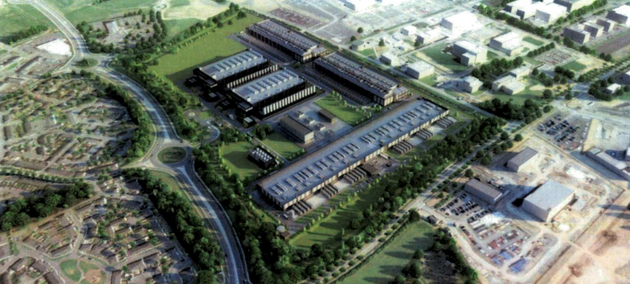
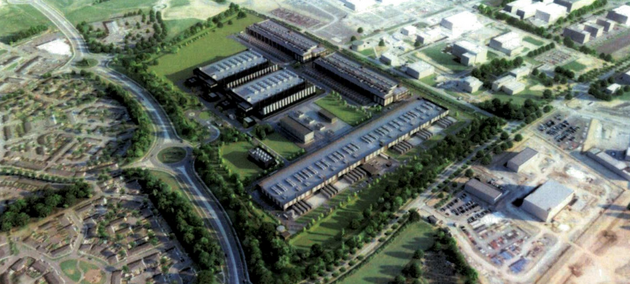
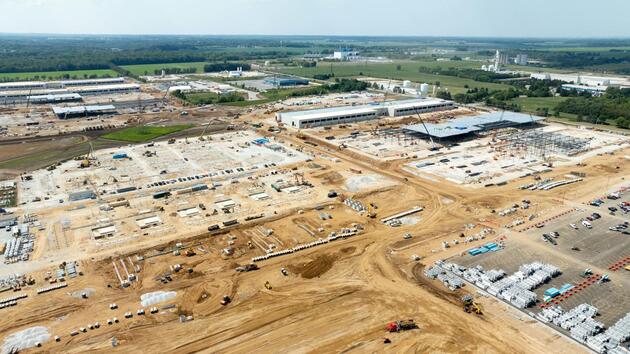
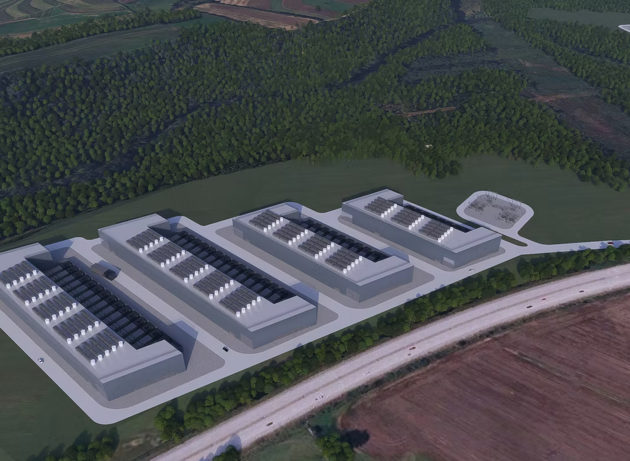
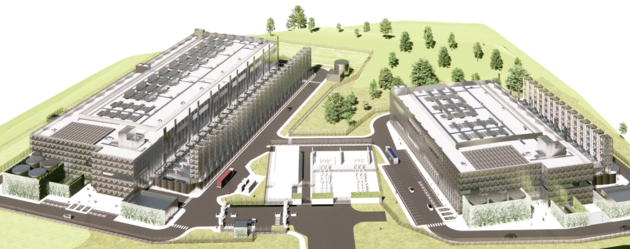
The culprit is capital expenditure. Amazon has guided for $125 billion in capex for 2025, a massive increase from $83 billion in 2024. Management told investors to expect even higher spending in 2026. The bulk of this investment is flowing directly to AI infrastructure: GPUs, custom Trainium chips, data centers, and power systems.
Trailing 12-month free cash flow dropped 69% year-over-year to $14.8 billion. FCF margin collapsed from 8.7% a year ago to just 2.7%. To fund the buildout, Amazon raised $12 billion in new debt in 2025.
The $6 Billion Question
The workforce reduction will generate significant savings. Amazon's median total compensation for corporate roles runs approximately $217,000 annually. At an estimated $200,000 per employee, 30,000 cuts translate to roughly $6 billion in annual cost reduction.
That figure takes on new significance against Amazon's cash flow picture. With quarterly FCF running negative, $6 billion in annual savings represents meaningful relief. It's enough to fund half the company's annual data center expansion or cover the cost of Project Rainier, Amazon's massive AI computing platform built around 500,000 custom Trainium 2 chips.
Jassy's Two Messages
The timing of the cuts raises questions about the official rationale.
Amazon's organizational challenges are not new. The company tripled its corporate headcount between 2017 and 2022, adding layers of management that slowed decision-making. Jassy has spent over a year addressing the problem by mandating five-day office returns, requiring business units to increase individual contributor ratios by 15%, and creating internal channels for employees to flag unnecessary processes.
Yet the largest cuts came only after cash flow turned negative and capex guidance increased.
Jassy's public statements have also shifted. In June 2025, he warned employees in a company-wide memo that AI would mean Amazon needs "fewer people doing some of the jobs being done today." By October, on the earnings call, the message changed: "Not AI-driven. Not right now, at least."
Industry-Wide Pressure
Amazon is not alone in facing this squeeze. The AI infrastructure race has created unprecedented capital demands across the technology sector.
Goldman Sachs projects the top hyperscalers (Amazon, Microsoft, Google, Meta, and Oracle) will spend $1.15 trillion on infrastructure between 2025 and 2027. Bank of America analysts found that aggregate capex among these companies now consumes 94% of operating cash flows after dividends and buybacks.
Meta raised its 2026 capex guidance to $100 billion. Microsoft's capital intensity has reached 45% of revenue. No major player is pulling back.
What Comes Next
The 30,000 job cuts will be implemented through May 2026. Amazon says affected employees will receive severance and job placement support. Beth Galetti, Amazon's SVP of people experience, said the company isn't trying to create "a new rhythm" of broad layoffs, but she didn't rule out further cuts.
For the broader technology workforce, the layoffs signal a structural shift. Companies are not cutting because business is weak; Amazon's results remain strong by any conventional measure. They are cutting because the economics of AI infrastructure demand it.
The question facing every major tech employer is the same one Amazon just answered: When compute capital competes with human capital for scarce cash flow, which wins?
At Amazon, the GPUs won.
The Case for Optimism
But there's another way to read this story.